
Ever walked past a seafood counter and wondered how the fishmonger knows which fish is worth buying? Most of us Singaporeans have our own little checklist when shopping for seafood, whether it is checking the eyes, looking at the colour, or simply trusting the auntie behind the wet market stall. But in Japan, choosing good fish is something people can spend an entire lifetime learning, and there is even a word for that trained judgement: Mekkiki.
It is an interesting concept, especially in a country like Singapore, where we take our seafood seriously. From steamed pomfret at family dinners to fried fish at our favourite hawker stalls, we know a good piece of fish can make all the difference. But when it comes to sashimi, there is much more to consider than whether the slices look fresh and appetising.
That is where Araya Shouten, a Japanese fishmonger at Tanglin Mall, brings something worth understanding. Founded by Araya-san, who grew up in a fishing family in Hokkaido, the shop reflects a Japanese approach to seafood that begins long before the fish reaches the display counter. His story offers Singapore seafood lovers a different perspective on what it means to choose good fish.
What Is Mekkiki, and Why Does It Matter?
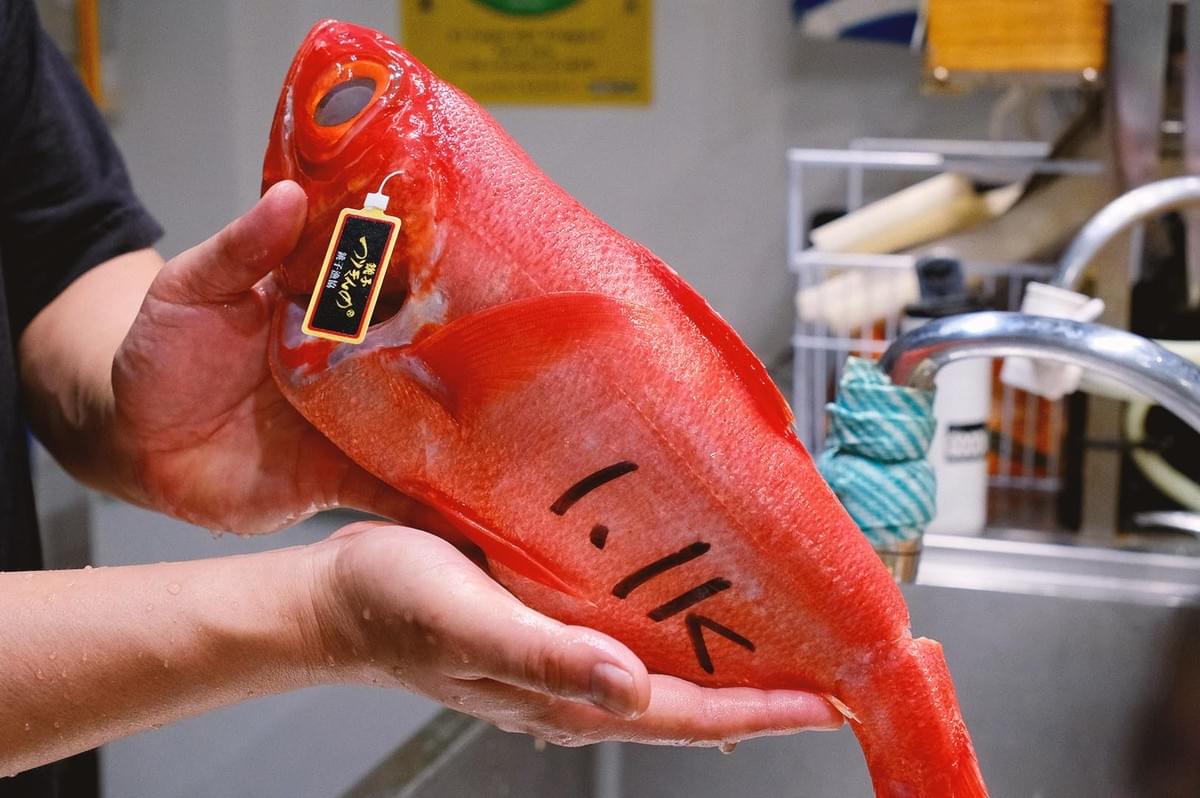
In Japanese food culture, Mekkiki refers to the trained eye for recognising quality, something developed through years of observation, comparison, and experience. For seafood, that means understanding far more than appearance, including where the fish was caught, how it was handled, and whether its condition suits the way it will eventually be prepared. It is the kind of knowledge that cannot be learned simply by memorising a few shopping tips.
Think about how experienced fishmongers at Singapore's wet markets recognise which fish are worth recommending. They might know which varieties suit steaming, which work better in soup, and when a particular catch is especially good. The Japanese tradition of Mekkiki shares that appreciation for experience, although the techniques and standards can differ depending on the seafood.
For Araya-san, this understanding began during childhood in Tomakomai, southern Hokkaido. His grandfather worked as a commercial fisherman at Kushiro Port, while other relatives operated fishing vessels in the region. Growing up, he ate carefully selected seafood brought directly from fishing boats, developing an appreciation for fish long before he entered the industry professionally.
The Journey From Hokkaido's Fishing Ports to Tanglin Mall
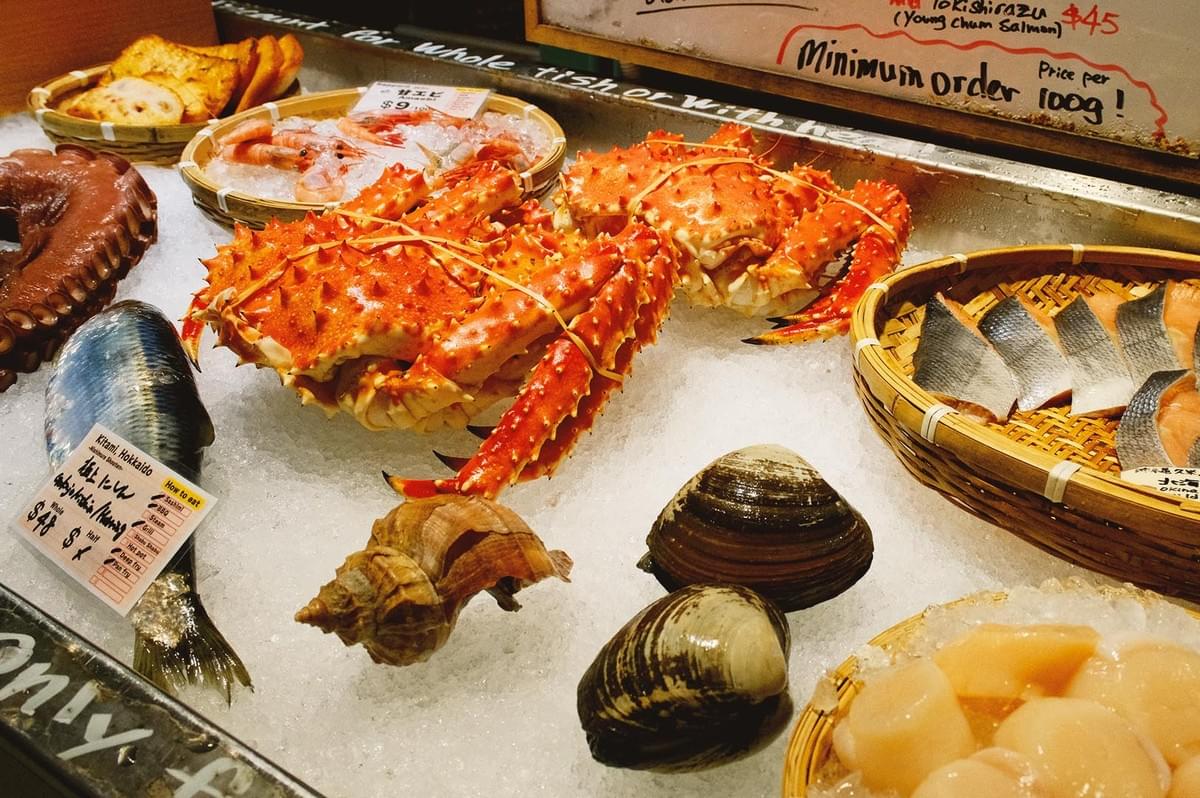
Araya-san eventually spent around 13 years working in frozen seafood logistics and international trade, learning how fish moves from fishing ports through markets and distribution networks. When he arrived in Singapore in 2012, he began supplying Japanese restaurants, including professional kitchens with demanding seafood requirements. His experience was not primarily about cooking fish but understanding everything that happens before a chef receives it.
Today, Araya Shouten reflects that background through its direct relationships with suppliers at Japanese fishing ports. Rather than relying entirely on seafood passing through Tokyo's famous Toyosu Market, Araya-san works with suppliers in places such as Choshi, Hakodate, and Shimonoseki. This gives him more involvement in selecting fish and specifying how it should be handled before arriving in Singapore.
One particularly interesting part of his approach involves traditional Japanese fish-processing techniques. Methods such as Shinkei Jime, which involves destroying the spinal cord to delay deterioration, and specialised blood removal can help preserve the fish's condition when performed correctly. Araya-san has worked with suppliers to implement particular handling practices for his orders, demonstrating how seafood quality depends on decisions made immediately after the catch.
Quite fascinating, hor? We often think the most important part of sashimi preparation happens when the chef picks up the knife, but the work begins much earlier. Even beautifully sliced fish cannot completely make up for poor handling or unsuitable storage conditions.
Why Singapore Seafood Lovers Should Look Beyond Salmon and Tuna
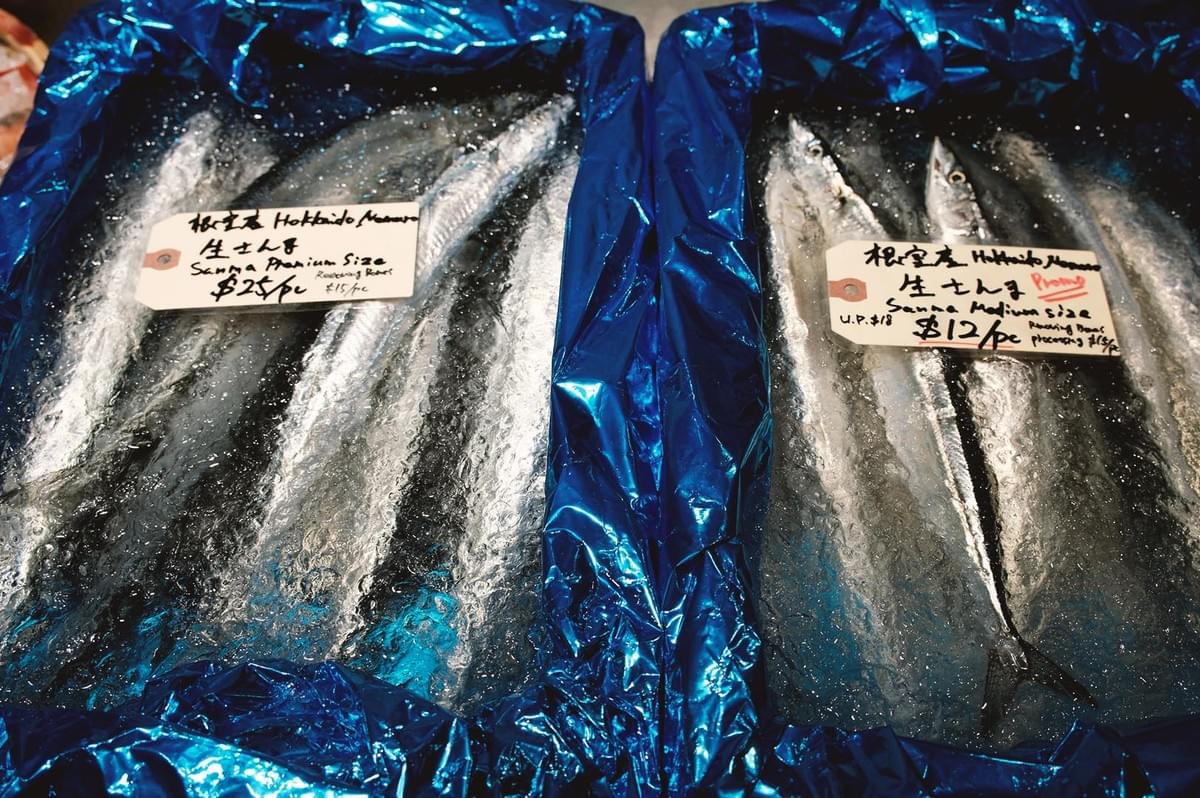
Singaporeans love our salmon sashimi, tuna, and yellowtail, and honestly, there is nothing wrong with sticking to familiar favourites. But Japanese seafood traditions place considerable importance on seasonality, meaning different fish become desirable at different times of the year. At Araya Shouten, the selection follows what is available from Japan's fishing ports rather than relying only on a fixed list of popular varieties.
Depending on the season and catch, customers might encounter Choshi kimidai, shibudai, or unusual species such as gimpo. These fish are not necessarily familiar to Singapore shoppers, but that is part of what makes visiting a specialist fishmonger interesting. Instead of choosing seafood purely by recognition, customers have an opportunity to learn about different textures, fat content, and preparation methods.
It also raises an interesting question about how we judge good sashimi. A familiar fish is not automatically the best choice, just as an expensive fish is not necessarily the most suitable for every meal. Understanding quality involves recognising the characteristics of individual species and appreciating why a knowledgeable fishmonger might recommend something unexpected.
What Singapore's Seafood Traditions Have in Common With Japan
The more you think about Mekkiki, the more familiar the idea becomes. Singapore's food culture has always depended on people who understand ingredients, from hawker cooks selecting seafood for their broths to market fishmongers helping families choose fish for dinner. These skills may not always have formal Japanese names, but they represent a similar respect for experience and knowledge.
There is also something meaningful about the way Araya-san's family history continues through his work. His grandfather knew fish from the fishing boats, while Araya-san developed his expertise through logistics, sourcing, and direct relationships with suppliers. Although the work has changed across generations, the understanding of seafood remains central to the family's story.
For Singaporeans interested in exploring this tradition, Araya Shouten offers a different kind of seafood-shopping experience at 163 Tanglin Road, #B1-115, Tanglin Mall. Its selection includes familiar sashimi favourites alongside seasonal Japanese fish, with the availability changing according to the catch. The appeal lies not simply in purchasing seafood but in understanding why a particular fish has been selected and what makes it suitable for eating.
Perhaps that is the most valuable lesson Mekkiki offers Singapore seafood lovers. Good fish is not always the brightest-looking piece behind the counter or the most expensive item on display, and choosing it requires more understanding than a quick glance. The next time you find yourself shopping for the best sashimi, it might be worth asking where the fish came from, how it was handled, and why the fishmonger recommends it.
After all, Singaporeans have always appreciated good food and the people who know how to prepare it. Araya Shouten reminds us that there is another person worth appreciating in that journey: the one who knows how to choose the fish before anyone begins cooking. And sometimes, learning to recognise that knowledge is what makes the next meal even more shiok.
To learn more about Araya Shouten, have a look through their Instagram account here!
