
The first thing I notice is the building.
There is something about the old shophouse exterior along Telok Ayer Street that makes me slow down before I even reach the entrance. The windows, the weathered details, and the surrounding streets carry a sense of Singapore that feels familiar but increasingly easy to overlook. Inside My Awesome Cafe, the atmosphere shifts. There is warmth, movement, and the gentle noise of people gathering around tables.
The space feels lived in rather than carefully preserved.
This is where My Awesome Cafe feels different from an ordinary cafe. I enjoy contemporary interiors too, the kind with clean surfaces, pale wood, and everything arranged to look effortlessly minimal. But a place like this carries a different kind of character. The building already has a story before the coffee arrives. The experience comes from seeing how that history continues to exist alongside everyday dining.
The interior brings together old architectural details, mismatched furniture, and the kind of casual arrangement that makes a room feel less formal. Nothing seems to ask for too much attention. Yet the longer I look, the more I notice how these different elements work together. The past is still visible, but the space belongs to the present.
I like this kind of contrast because it reminds me that heritage does not always have to sit quietly behind glass. Sometimes, it can be experienced through something as ordinary as having lunch with a friend. I see a similar meeting of heritage and contemporary coffee culture in Singapore’s kopitiams.
A cafe inside a historic building creates a particular relationship between food and place. The meal might be familiar, but the surroundings change how I experience it. A cup of coffee feels different when I am sitting somewhere that has lived through several versions of the neighbourhood. The conversations around me become another layer in a building that has already held so many.
I was reminded of this while reading about My Awesome Cafe through Neighbourhood Life. What interests me about places like this is how naturally they connect dining with the character of their surroundings. The food gives people a reason to enter, but the atmosphere often becomes part of what they remember.
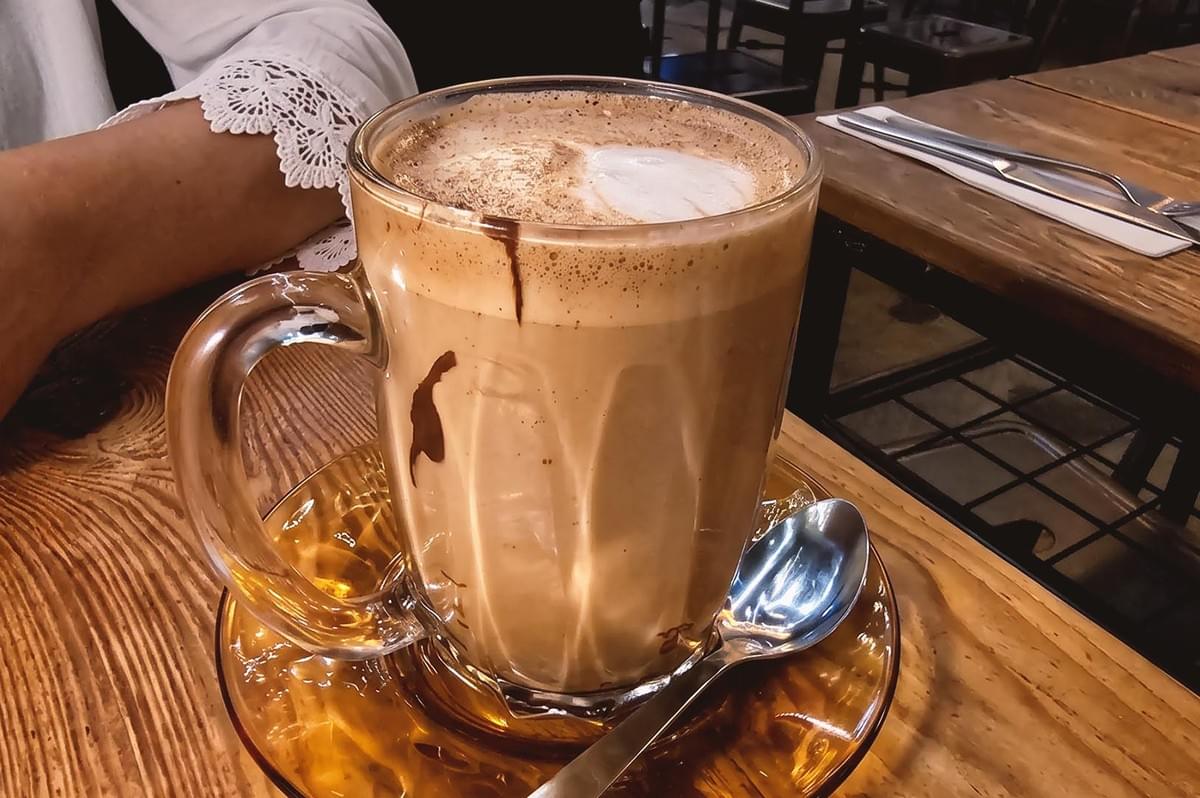
There is also something comforting about a menu that does not need to compete with its setting. Sandwiches, salads, and familiar cafe dishes belong to the everyday rhythm of eating. They invite conversation rather than ceremony. I find that this kind of food works particularly well in a space where the surroundings already offer so much to notice.
The details matter because they shape how long I want to stay. The sound of cutlery against plates, the warmth of conversation, the movement between tables, and the textures of the old building all contribute to the experience. Atmosphere is not separate from the meal. It changes how the meal feels.
What I appreciate most is that the cafe does not have to recreate an earlier version of Singapore to acknowledge its history. The building can retain its character while serving people whose routines look very different from those of previous generations. That is what makes adaptive reuse interesting to me. It allows a familiar place to keep participating in everyday life.
By the time I leave, I am thinking less about the individual things on the table and more about the space that held them. The old walls remain, the conversations continue, and another group of people settles in for something to eat.
The building keeps its history, but the memories inside it are still being made.
