
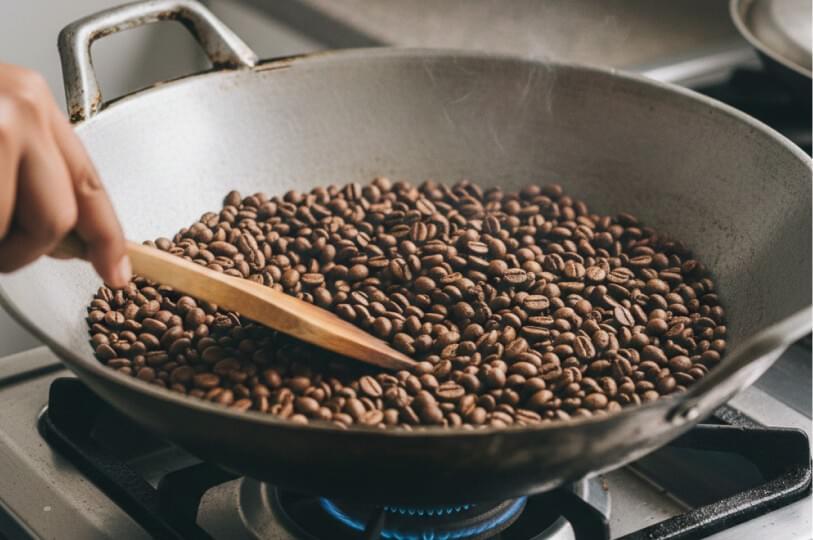
You catch it first in the air, that particular aroma that makes you pause mid-step. Robusta beans, roasted in a wok with sugar and margarine until they catch the light, a scent that somehow carries the weight of generations. But step inside these kopitiams in Singapore, passing through a welcoming door that marks the transition from the bustle outside to the warmth within, and you start wondering: is this the same coffee shop your grandparents knew? Here’s a young barista working with the familiar cloth sock, pouring that dark brew in graceful arcs between pots, yet everything around him whispers of something quietly different.
Walk around Singapore these days, and you’ll notice something curious happening. A new wave of coffee shops has emerged, not quite the traditional kopitiam, not quite the specialty coffee cafe either, but something that bridges both worlds. These kopitiams are evolving their brand identity—revamping their offerings and decor to appeal to both traditionalists and modern customers, positioning themselves as Nanyang Kopitiam-themed establishments within the Singaporean F&B industry.
Specialty Coffee and the Heart of Heritage: What Makes Traditional Kopi So Special?
You could trace the story back, if you wanted to understand where this all began. Before the flat whites and specialty lattes claimed their territory, there was Nanyang coffee, the coffee that belonged to the Chinese diaspora who settled across these Southern Seas. You wonder what drove them to adapt coffee this way, to make it entirely their own through necessity and ingenuity. Kopi is the Malay word for coffee and is a traditional beverage in Singapore with Hainanese cultural roots.
The process begins with a choice that might seem curious to modern coffee drinkers. Robusta beans instead of arabica, bolder, stronger, less forgiving perhaps, but somehow right for this climate, this culture. You watch the roast and start to understand the real magic: beans tumbling in a wok with caramelized sugar, sometimes margarine or butter, at temperatures that would make a specialty roaster nervous. This unique roasting process, which includes frying beans with sugar and butter, is known as torrefacto roasting. It transforms the beans into something almost black, smoky and sweet all at once, resulting in a prominent bitter flavor profile, especially when consumed black. You begin to see how this technique doesn’t just change the flavour—it creates something that can stand up to the humidity, the heat, the pace of life here.
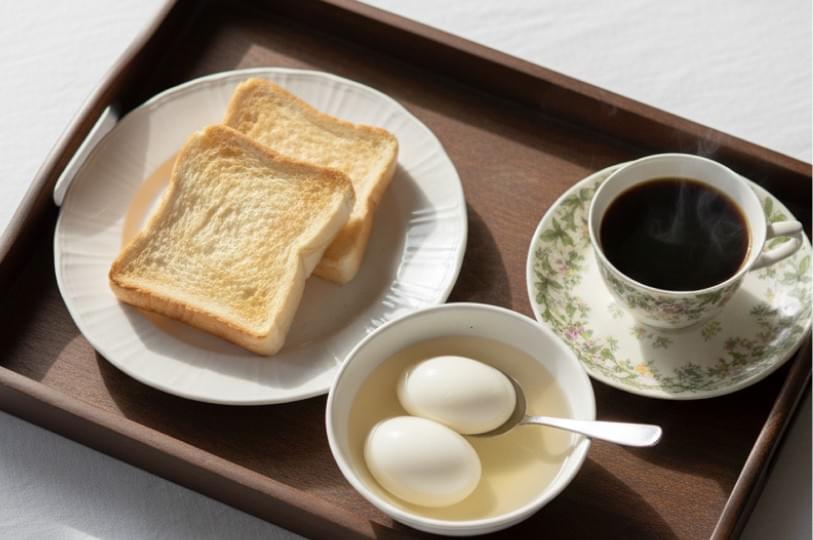
The term 'kopitiam' combines the Malay word 'kopi' for coffee and the Hokkien word 'tiam' for shop. Traditional kopitiams serve a unique breakfast set that includes kaya toast, soft-boiled eggs, and a cup of local coffee or tea. Kaya is a coconut jam made with eggs, sugar, and pandan, typically spread on bread, making bread a fundamental part of the classic kopitiam breakfast experience.
Coffee Blends and New Hands, Old Ways: A Fresh Perspective on Kopi
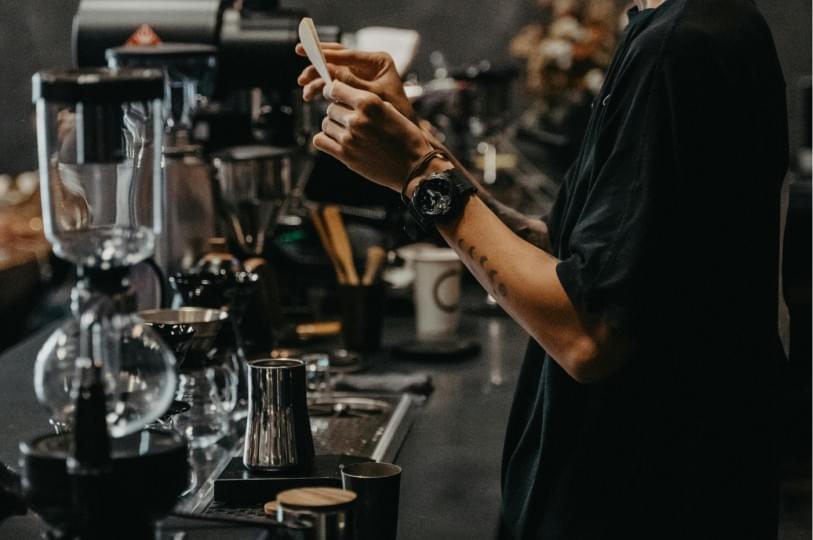
Something interesting happens when you meet these young coffee makers who’ve chosen to work with tradition rather than replace it. They grew up tasting kopi, but they also came of age watching specialty coffee culture spread across the island. You start to see how this dual perspective might actually be their secret advantage—deep respect for heritage combined with modern questions about process, quality, consistency. The evolution of kopi culture is partly influenced by both tradition and global coffee trends, shaping how these makers approach their craft.
Watch them work, and you notice they’re not content to simply copy what came before. They’re asking different questions: How does bean sourcing affect the final cup? What happens when you adjust water temperature? Can modern brewing science enhance rather than replace traditional methods? Some are collaborating with roasters to create unique Nanyang-style coffee blends using beans sourced from around the world, including Malaysia, which has its own rich coffee traditions and is known for regions like Tenom in Sabah. Others are perfecting the precision of the traditional pull. You begin to understand that they’re not trying to fix something broken—they’re trying to honor something beautiful while making it their own.
This curiosity brings something new to the kopi-making process. You see them treating traditional kopi with the same reverence that specialty cafes give to espresso, asking why certain techniques developed this way, whether small adjustments might reveal new flavours without losing the essential character. Considerations of cost and value for money also play a role in their approach, as they balance affordability with quality in both traditional and specialty coffee. You wonder if this is how traditions evolve, not through revolution, but through the patient questions of each new generation.
Bridging Generations, One Cup at a Time at the Coffee Shop
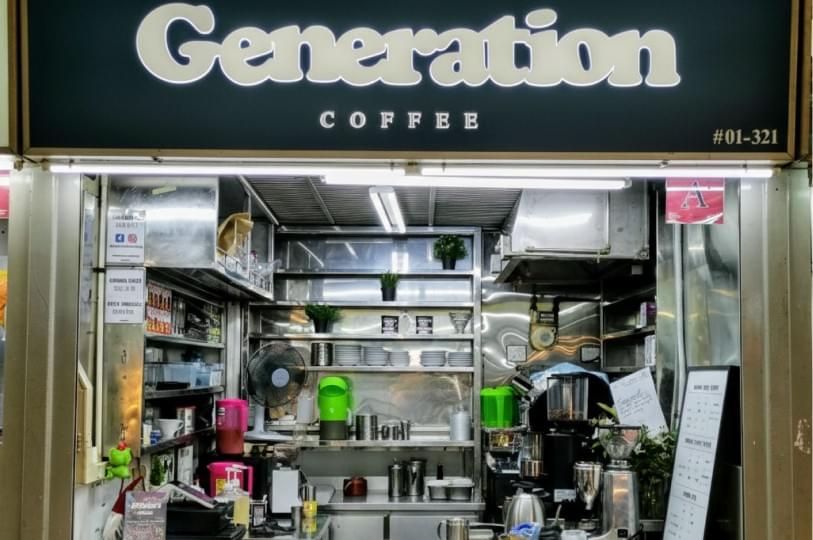
Step into Generation Coffee at Tekka Centre, and you’ll witness this conversation between old and new playing out in real time. Lawrence, the young owner who traded aircraft maintenance for coffee making, has created something that feels both familiar and fresh. Tekka Centre is home to a wide variety of stalls, each offering different traditional beverages and local fare, which together contribute to the vibrant kopitiam experience. You notice how he talks about his coffee beans with the passion of someone who’s discovered something worth sharing, how he’s refined his own blend without abandoning the smoky, rich character that makes kopi what it is. You start wondering what draws someone to leave a stable career for this pursuit—and then you taste his coffee and think you might understand.
Or consider King’s Cart Coffee Factory, which began as exactly what its name suggests—a mobile cart that’s grown into something more permanent. Here’s a space that feels contemporary and comfortable, where you might expect to find only specialty coffee, yet they serve their Nanyang-style kopi alongside the classics: kaya toast, soft-boiled eggs, the whole familiar ritual. You realize they’re not asking you to choose between your grandfather’s kopi O peng and a well-crafted flat white. They’re suggesting, quietly, that you can appreciate both.
These outlets become something more than coffee shops, you notice. They’re creating environments where tradition feels relevant to younger customers, where an elderly uncle reading his morning paper might sit next to a student with a laptop, both finding what they need in the same cup, the same ritual, adapted just enough to feel welcoming to everyone. The clientele reflects the diverse communities that make up Singapore, with people from all walks of life gathering in these modern kopitiams.
Note: The establishments mentioned are not affiliated with this article.
Best Specialty Coffee: Striking the Right Balance Between Heritage and Contemporary Tastes
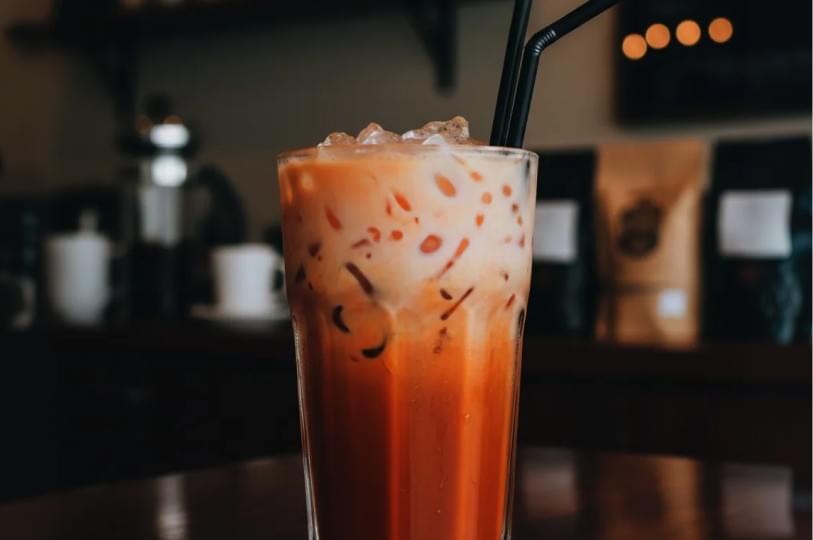
You start to see that the real skill lies in knowing what to preserve and what to refine. These modern kopitiams must honor the core elements that make traditional kopi beloved while speaking to contemporary tastes, a balance that requires both confidence and restraint.
The menu tells its own story of this balance. Alongside the classic kopi and teh (tea), you might discover Gula Melaka Kopi, Coconut Latte, even kopi-based mocktails—playful creations that introduce younger customers to Nanyang coffee culture in accessible ways. The food gets a similar treatment: kaya toast on artisanal sourdough or Japanese shokupan, hae bee hiam sandwiches, luncheon meat reimagined as fries, and beloved rice dishes like nasi lemak, often topped with crispy bits or small crunchy components that enhance the eating experience.
There is also a growing trend of takeaway kopi and other beverages, served in portable containers for convenience, reflecting the modern pace of life. When it comes to kopi, health considerations are increasingly important, with public health campaigns encouraging reduced sugar intake to address concerns about diabetes and overall health.
Community and Events: Kopitiams as Social Hubs in Modern Singapore
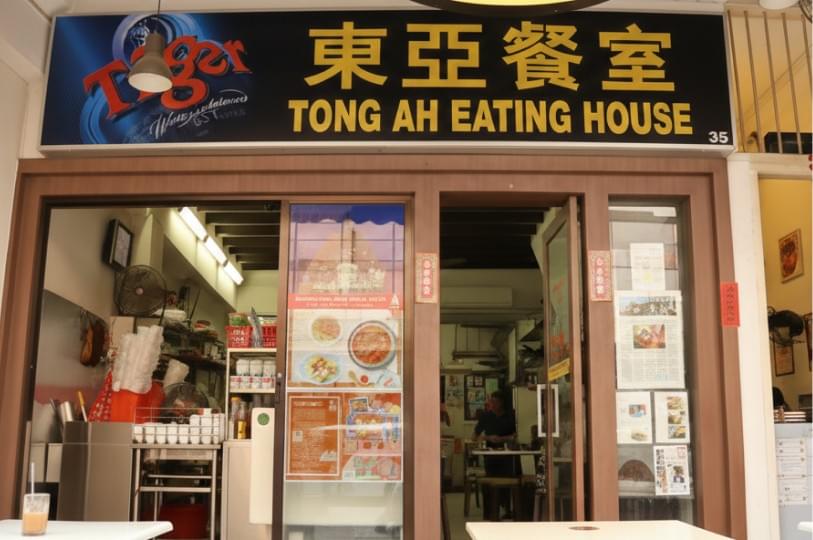
You step into a kopitiam on a weekend morning, and there's something that makes you pause—beyond the obvious aroma of black coffee or the familiar crunch of kaya toast. What is it about the hum of conversation, that particular clink of cups, the way daily life seems to unfold so naturally around every table? Walking through places like Tong Ah Eating House or Heap Seng Leong, you start wondering: when exactly do coffee shops become something more than just places to eat? Here, you sense, they've somehow become the heartbeats of their neighborhoods, where regulars gather not just for sustenance, but for the stories, the laughter, the simple pleasure that comes from a well-pulled cup shared among familiar faces.
Whether you're savoring kopi at Tong Ah Eating House, soaking in the old-school charm of Heap Seng Leong, or stumbling upon a new favorite tucked away in some bustling neighborhood corner, you realize you're participating in something much larger than a simple meal.
Explore and Visit: The Evolving Story of Singapore Coffee Culture and Kopitiams
You begin to see this movement as part of a larger conversation about how culture adapts without losing its essential character. For a while, it seemed like global coffee chains and third-wave cafes might overshadow local coffee culture entirely.
The next time you find yourself wanting good coffee, you might consider exploring one of these spaces. Order a kopi siu dai, find a seat, and notice what unfolds around you. Watch the care that goes into brewing your cup, taste the complex layers that carry stories of the island’s history. Whether you choose to eat kaya toast with butter and coconut kaya, sip black coffee or iced kopi with condensed milk, or enjoy a plate of nasi lemak, you are participating in something ongoing, supporting young culture-keepers who are writing the next chapter of Singapore’s coffee story, one carefully pulled cup at a time. The act of drinking kopi—whether hot or cold, sweetened or strong—is an essential part of the kopitiam experience, connecting you to a daily ritual cherished across generations.
Don’t forget to visit iconic places like Tong Ah Eating House and Heap Seng Leong, where the traditional flavours and atmosphere remain packed with local charm. These kopitiams in Singapore, alongside hawker centres and specialty coffee roasters, offer a map of tastes and experiences that reflect the rich, multicultural heritage of this vibrant city. Whether you drop by on a Monday morning, a Friday afternoon, or the bustling weekends near the gardens or on the street corners, the direct impact of these coffee shops on Singapore’s food culture is undeniable.
So take your time, wait for your cup, and enjoy every bittersweet sip and every bite of toast, eggs, and rice dishes that tell the story of this dynamic coffee scene.
Explore Mastering the Art of How to Order Kopi: A Deep Dive into Singapore’s Traditional Coffee Culture, for more insights into Singapore’s vibrant traditional coffees.
