
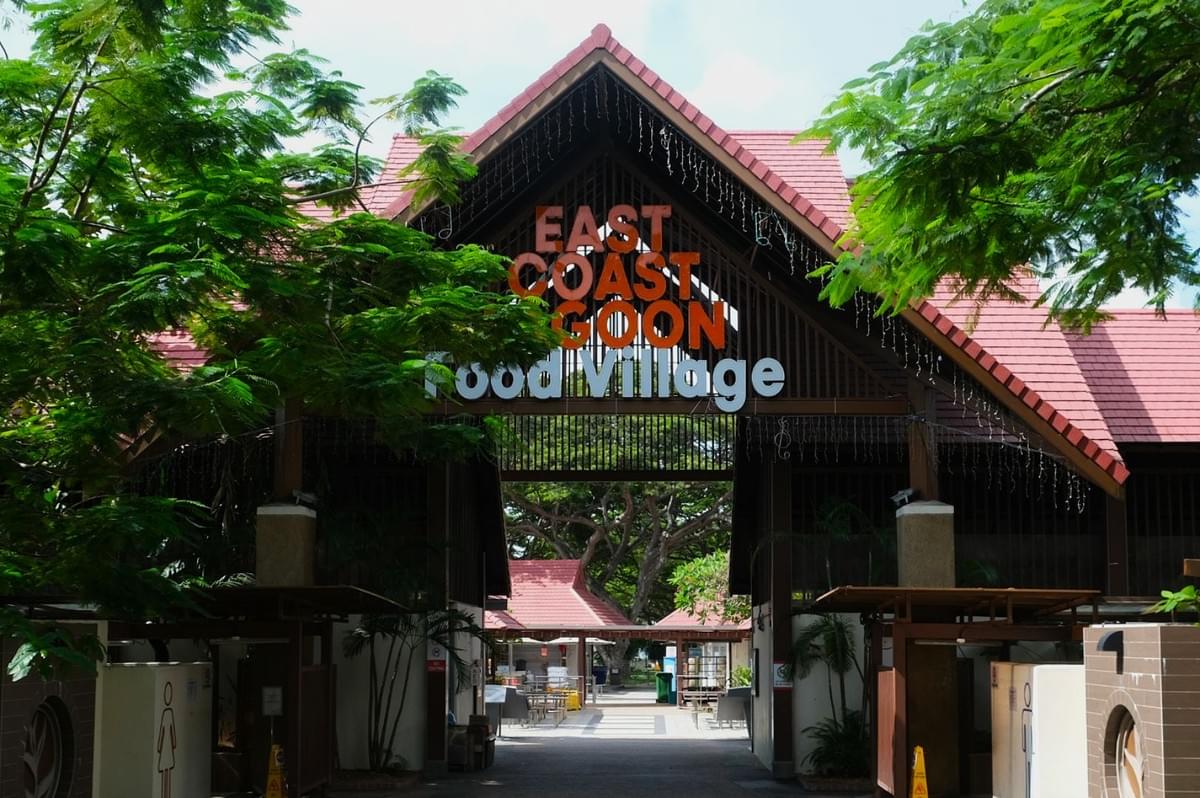
Imagine this: the smokyroma of charcoal-grilled satay mixing with the salty sea breeze, waves gently lapping nearby, and the lively chatter of fellow diners blending with the clanging of woks. This is my go-to spot, the East Coast Lagoon Food Village, Singapore’s unique seaside hawker centre where I always find a holiday vibe without leaving the island. With scenic lagoon views and a clever design featuring raised floors and open spaces, it’s not just a place to eat; it’s an experience I always look forward to.
After a long day cycling, rollerblading, or just kicking back by the beach, nothing beats stepping into this open-air food paradise. The warm lights and buzzing atmosphere bring together people from all walks of life, families, friends, creating a communal spirit that’s uniquely Singaporean. Whether it’s a family dinner or a late-night supper with friends, this spot never fails to hit the mark.
Here’s a fun tidbit: the original design had butterfly-shaped roofs over the cooking areas and pyramid-shaped shelters for dining, adding a charming seaside touch that still makes me smile.
Another fun fact: This food village is an unusual romantic spot because of the said roofs and the close beach moments you could have, for more of this romantic spots, check Romantic Restaurants Singapore for Every Kind of Date Night (So You Don’t Pick the Wrong One) from Social Eats N Drink!
Why This Place Hits Different
With so many hawker centres scattered across Singapore, what makes East Coast Lagoon Food Village stand out? For me, it’s all about the location and vibe. Unlike your typical hawker centres tucked under HDB blocks, this place feels like a resort-style dining experience at hawker prices.
The pitched roofs and open-sided structures let the sea breeze flow freely, keeping me cool even when I’m digging into a spicy bowl of laksa. The spacious, relaxed atmosphere invites me to slow down—sip on sugarcane juice, watch kids play on the sand, and soak in the moment.
Managed by the National Environment Agency (NEA), the food village got a major facelift between 2002 and 2004, adopting Balinese-style architecture that only adds to its resort-like charm.
Stalls You Gotta Try (Must Eat)
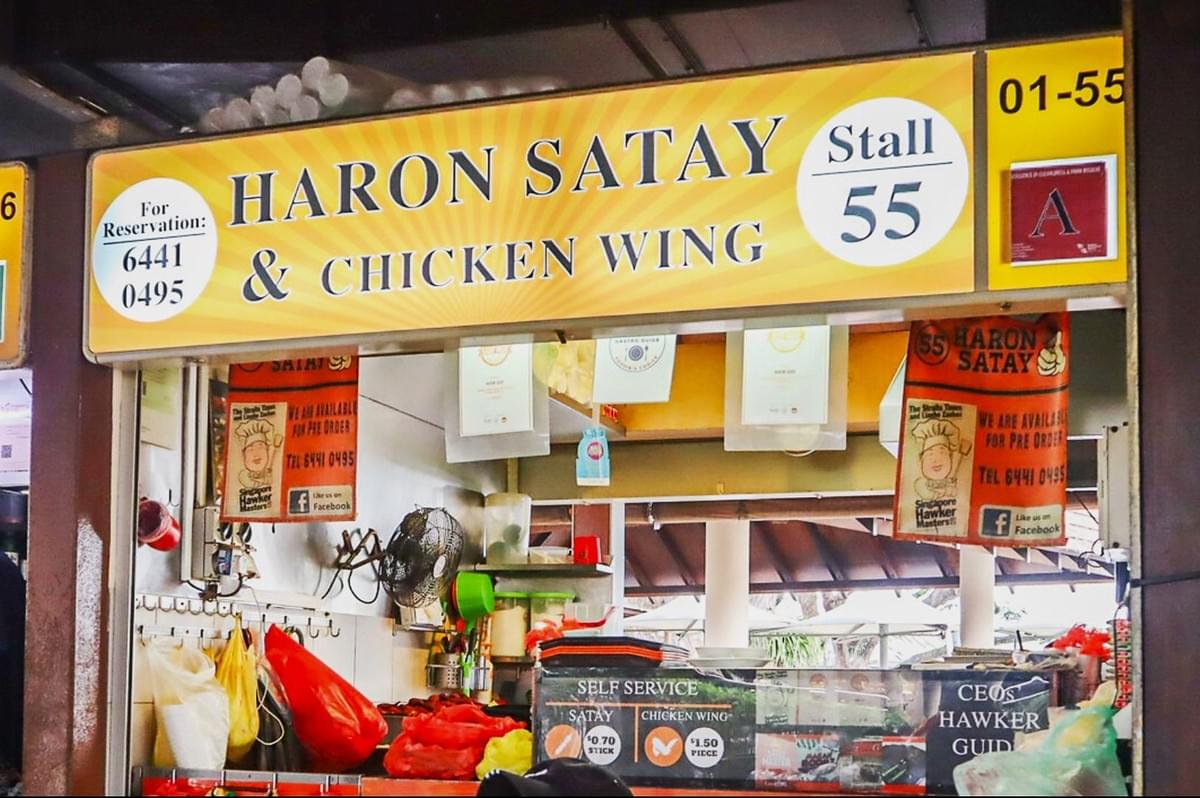
Satay is a non-negotiable here, and Haron Satay 55 is legendary among locals and visitors alike. This Muslim-owned stall offers chicken, beef, and mutton satay at $1 per stick, all grilled over charcoal to achieve that signature smoky aroma and slightly charred edges. The meat is marinated with a blend of spices that tenderizes it while infusing sweet and savory flavors.
What truly elevates the experience is their thick, rich peanut sauce, which is generously ladled with a touch of tangy pineapple puree to balance the richness and add a subtle fruity brightness.
Accompanying the satay are fresh cucumber slices and ketupat (rice cakes), perfect for dipping into the sauce. Haron Satay 55 has built a reputation over decades, making it a must-order at East Coast Lagoon Food Village.
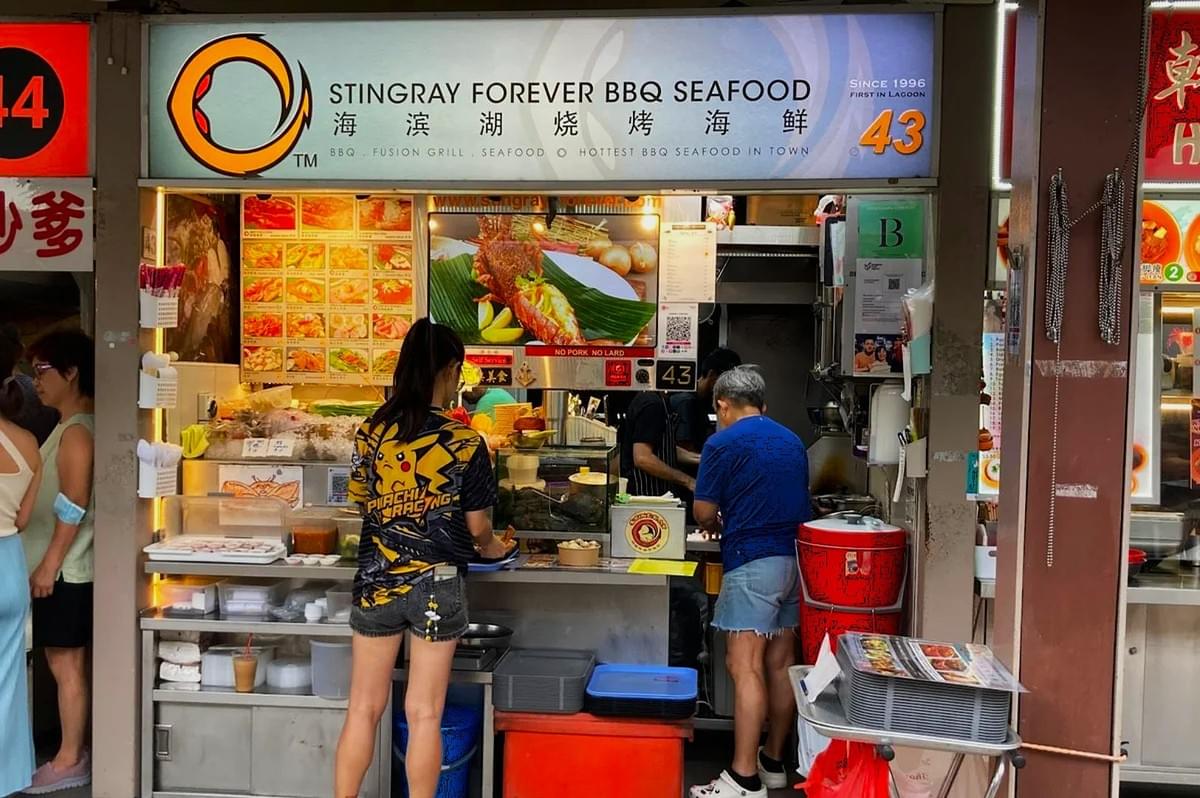
If you spot the long queue at Stingray Forever, you know it’s worth the wait. Their signature offering is the Hottest Stingray, priced at $18, which is wrapped meticulously in banana leaf before being grilled over charcoal. This method locks in the moisture, resulting in tender, juicy flesh that flakes off the bone effortlessly.
The stingray is slathered with a fragrant sambal sauce made from a blend of chili, belacan (shrimp paste), and other spices, delivering a perfect balance of heat and umami. For an added zest, many diners squeeze fresh calamansi lime juice over the stingray and dip bites into cincalok (fermented shrimp sauce), which adds a salty, tangy kick that complements the smoky fish.
The stall also offers other BBQ seafood like Sambal La La clams and Gong Gong shells, making it a seafood lover’s paradise.
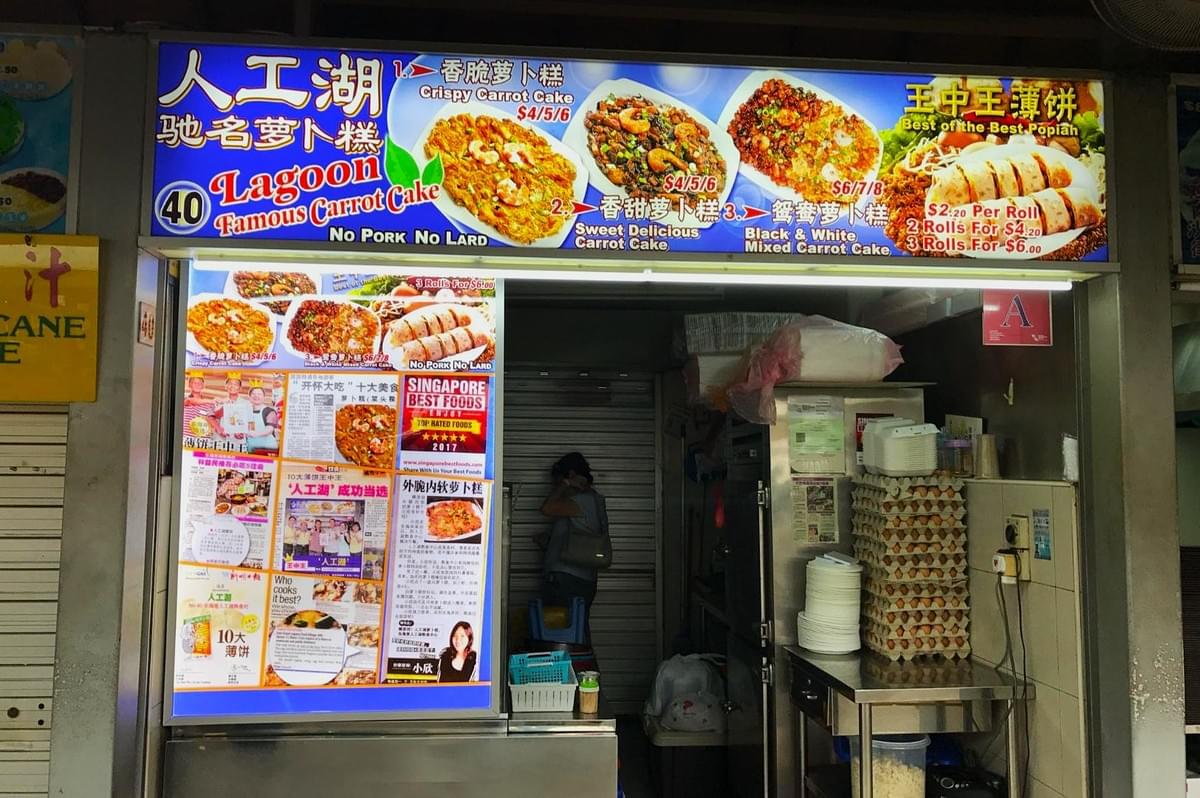
For a comforting and quintessential hawker dish, Lagoon Carrot Cake is a top pick. They serve both black (sweet soy sauce) and white (plain) carrot cake, as well as a mixed version combining the best of both worlds, starting from $7. The carrot cake is made from steamed radish cake cubes stir-fried with eggs, preserved radish (chye poh), and generous amounts of wok hei (the charred smoky aroma from high-heat cooking).
The black version offers a sweet-savory glaze, while the white version highlights the natural flavors of the radish and eggs. The texture is a delightful contrast of soft cake and crispy edges, with occasional crunchy bits of chye poh adding a salty dimension. This stall is well-loved for its consistent quality and nostalgic flavors.
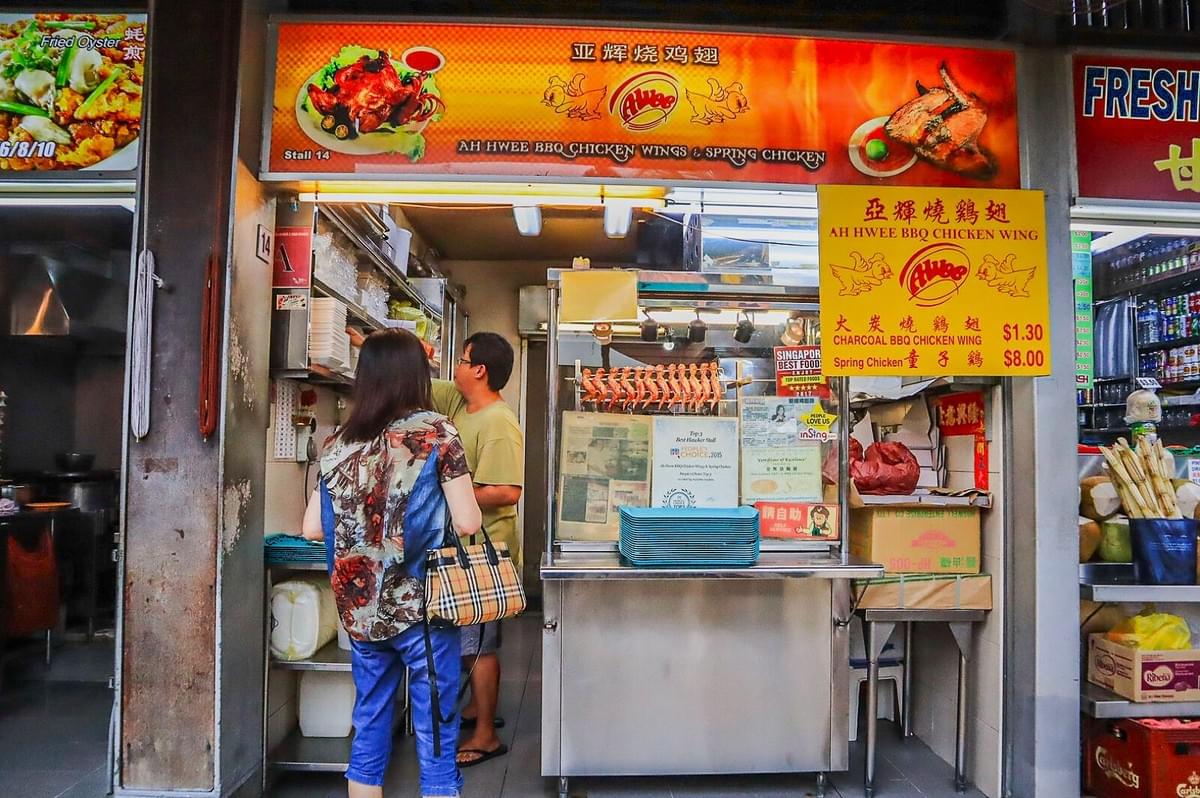
These wings are a crowd favorite—and mine too. Ah Hwee BBQ Chicken Wing has been barbecuing since 1979, serving wings at $1.40 each that are grilled over charcoal to a perfect mahogany brown. The skin is crispy and slightly sticky from a marinade that balances sweet, savory, and smoky flavors, while the meat inside remains juicy and tender.
The wings are best enjoyed with a squeeze of lime and a dip into their tangy and spicy chili sauce, which cuts through the richness and adds a refreshing kick. Their whole spring chicken ($9) is also marinated in the same flavorful blend and is a popular choice.
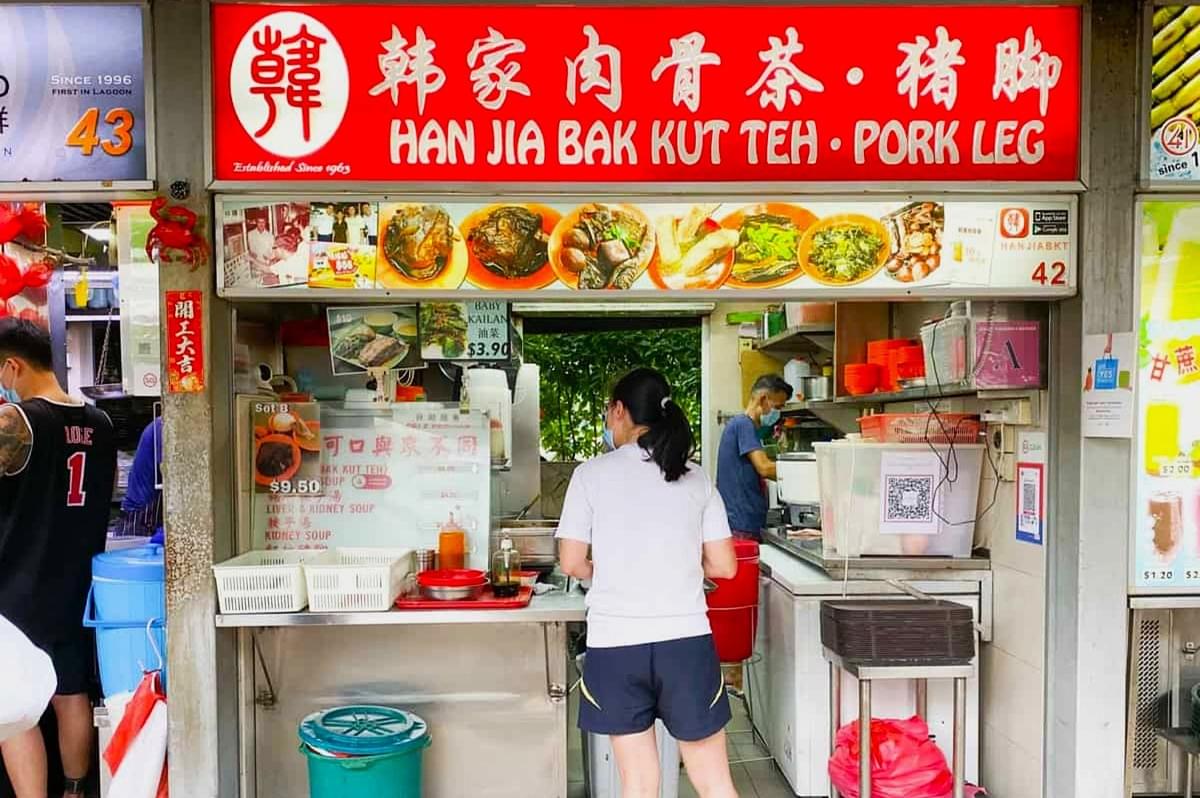
When I want something soupy and hearty, Han Jia Bak Kut Teh is my go-to. Their stall offers both herbal Klang-style and peppery Teochew-style bak kut teh, priced around $6.50 per bowl. The pork ribs are simmered until tender, infused with a complex broth of herbs and spices including star anise, cinnamon, garlic, and white pepper, depending on the style chosen.
The herbal version is fragrant and slightly sweet, while the peppery version delivers a robust, warming heat. The broth is clear but deeply flavorful, perfect for dipping youtiao (fried dough fritters) or rice. They also serve braised pork trotters ($6.90), slow-cooked until the skin is gelatinous and tender. Han Jia Bak Kut Teh is a favorite for those seeking comfort food after a long day.
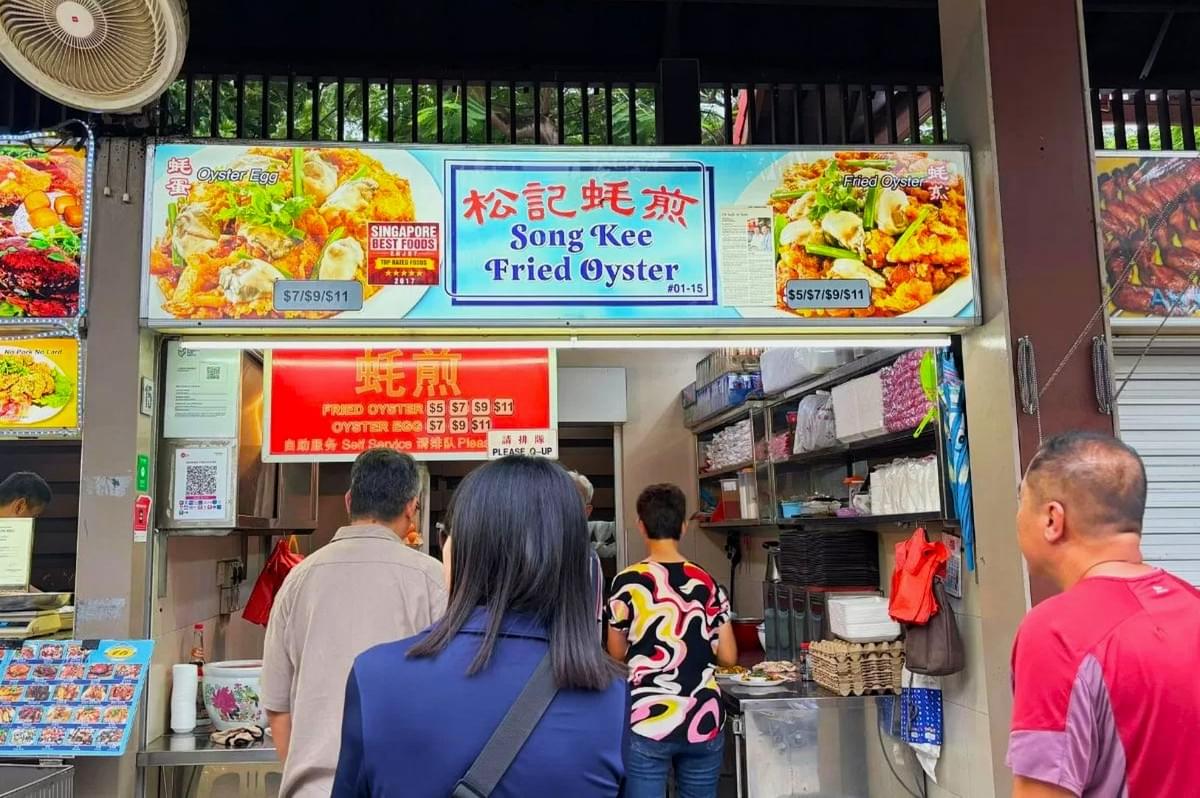
The fried oyster ($4 for small) at Song Kee Fried Oyster is a standout dish that has even earned a spot in the Michelin Guide. Known locally as orh luak or orh jian, this oyster omelette is made with fresh oysters folded into a batter of eggs and starch, then fried to a crispy, golden brown with slightly chewy edges.
The oysters themselves are plump, sweet, and briny, offering a burst of ocean flavor in every bite. Unlike some versions, Song Kee’s fried oyster has a perfect balance of starchiness and crispiness, with the eggs cooked just right to hold everything together without sogginess.
It’s typically served with a side of chili sauce or a tangy dip that complements the rich flavors.
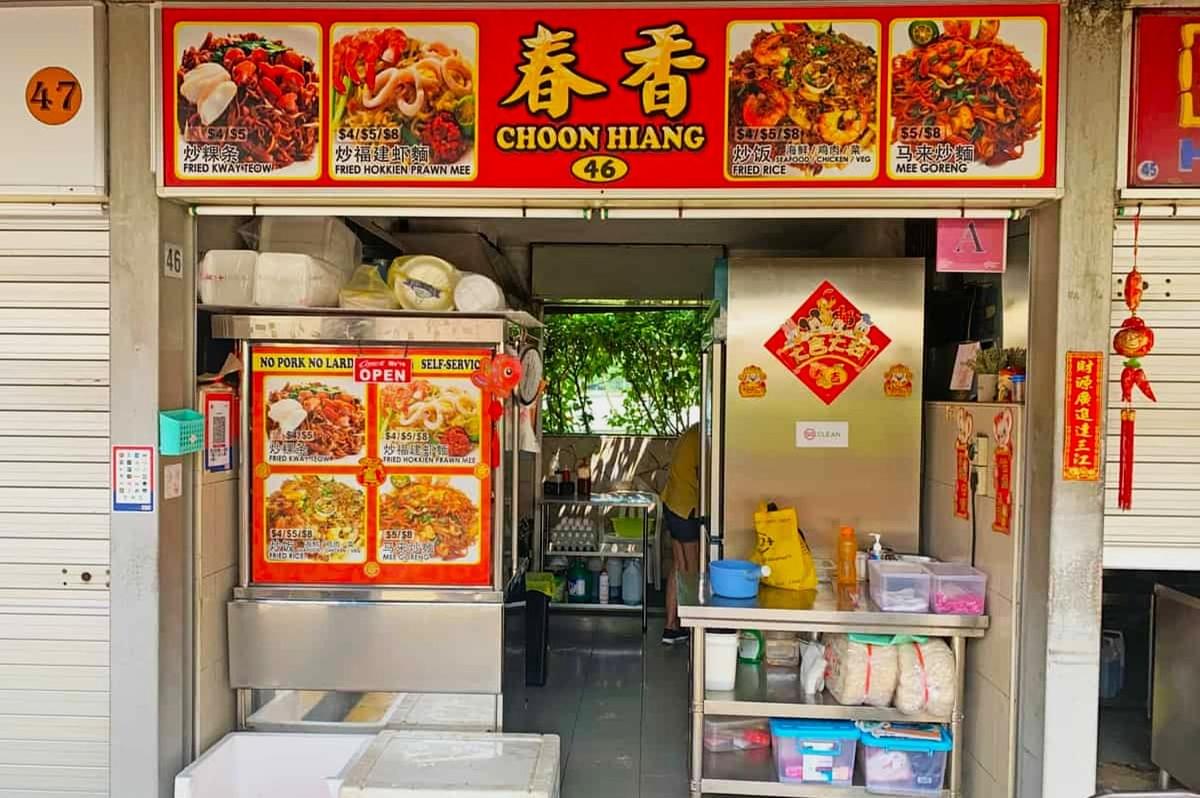
One of my personal favorites is Choon Hiang, renowned for its Char Kway Teow. I’ve been coming here for years, and their Char Kway Teow, starting from $4, never disappoints. The smoky wok hei flavor is unmistakable, thanks to the high-heat stir-frying over charcoal. I love the way the flat rice noodles are perfectly cooked, slightly charred yet tender, tossed with eggs, Chinese sausage, prawns, cockles, bean sprouts, and chives.
The balance of sweet and savory flavors always hits the spot. It’s great to know that the stall is now run by the second generation, who have maintained the authentic recipe and quality that earned it a top spot among Singapore’s Char Kway Teow vendors back in 2008.
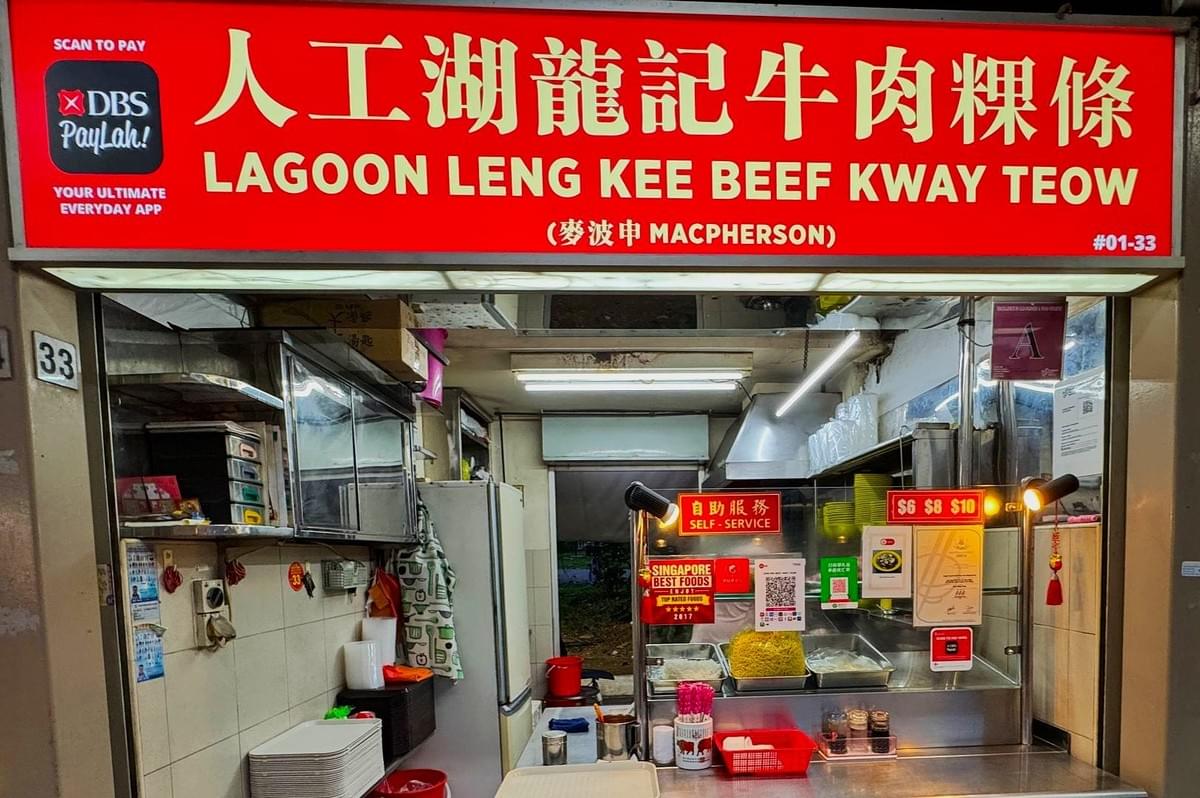
Another stall I often visit is Lagoon Leng Kee Beef Kway Teow. Their Teochew-style beef noodle soup is my go-to comfort food, featuring a clean and flavorful broth simmered from beef bones, ginger, salt, and gula melaka (palm sugar). I usually order the $6 portion, which comes with tender slices of beef and chewy beef balls alongside flat rice noodles.
The broth’s subtle sweetness from the gula melaka perfectly balances the savory notes, making each spoonful soothing and satisfying. I appreciate that every bowl is cooked fresh to order, ensuring a comforting and hearty meal every time.
East Coast Lagoon Food Options
This hawker centre stretches along the coast with an impressive range of coast lagoon food options. I love how indecision becomes part of the fun, wandering between stalls, chatting with hawkers, and soaking up the lively atmosphere.
The fried oyster from Song Kee Fried Oyster is my absolute must-try. Their crispy-edged oyster omelette bursts with fresh oysters and is perfectly paired with a rich, nutty peanut sauce that takes every bite to another level.
The BBQ wings here are expertly grilled—charred just right to lock in smoky sweetness and sticky enough to require extra napkins. The stingray, wrapped in banana leaf and grilled with fragrant sambal, offers juicy, tender flesh that’s hard to resist. And of course, there’s always satay—chicken, beef, mutton, and pork—each skewer grilled with such care it’s a joy to eat.
Insider Tips for a Smooth Visit
- Go Early or Late: The food village fills up fast on weekends and public holidays. I recommend arriving before 6 PM or after 9 PM to beat the crowds.
- Bring Tissue/Wet Wipes: Wings and satay can get messy. Wet wipes are a lifesaver.
- Dress Comfortably: It’s alfresco dining without air-con. I always go for light, airy clothes.
- Cash is King: While many stalls accept digital payments, I still carry cash just in case.
Conclusion
For me, East Coast Lagoon Food Village is more than just a hawker centre, it’s a sanctuary to disconnect from the digital world and reconnect with great food and loved ones. Memories are made over shared platters of satay, messy chili crab, and fresh seafood by the sea.
For more insights into Singapore’s rich culinary heritage, be sure to check out tasteourtraditions.com
