
There's something interesting about the way Japanese food has found a place in Singapore's everyday dining culture. A meal that once felt reserved for special occasions can now arrive in a simple rice bowl, served at a neighbourhood stall without the formality or expense that often accompanies it. And I have honestly been craving it for months!
That thought brings me to Otoko Ten Ten, a Japanese food stall associated with the Lavender area. Its appeal lies in a familiar promise: restaurant quality Japanese food without the formality or expense that often accompanies it.
I've always found the idea of a good sashimi don particularly appealing. There is something satisfying about a bowl that brings together fresh seafood, carefully prepared rice, and just enough seasoning to let the ingredients speak for themselves. While exploring the different styles of Singapore Chirashi Don, Otoko Ten Ten is an interesting example of how Japanese rice bowls have become part of Singapore's casual dining landscape.
But what makes a modest Japanese stall worth remembering? Is it the generous portions, the quality of the fish, or simply the pleasure of finding a satisfying meal where you least expect it?
Otoko Ten Ten: Japanese Food Beyond the Restaurant Setting
Singapore has developed an interesting relationship with Japanese cuisine. Sushi counters, ramen shops, and omakase restaurants occupy one end of the dining spectrum, while smaller stalls have made familiar Japanese dishes accessible to a much wider audience.
Otoko Ten Ten belongs to this more approachable side of Japanese dining. Rather than placing the emphasis on elaborate interiors or lengthy tasting menus, its concept centres on the food itself.
That simplicity changes the expectations surrounding a meal. At a restaurant, the experience often begins with the setting, service, and atmosphere. At a neighbourhood stall, attention moves quickly to the bowl in front of you.
The question becomes straightforward: does the food deliver?
For Japanese rice bowls, the answer depends on how well the ingredients work together. Freshness matters, certainly, but so do portion balance, rice texture, and the way the seafood is prepared. A generous serving can attract attention, although quantity alone rarely makes a dish memorable.
The Sashimi Don: Where Quality Matters Most
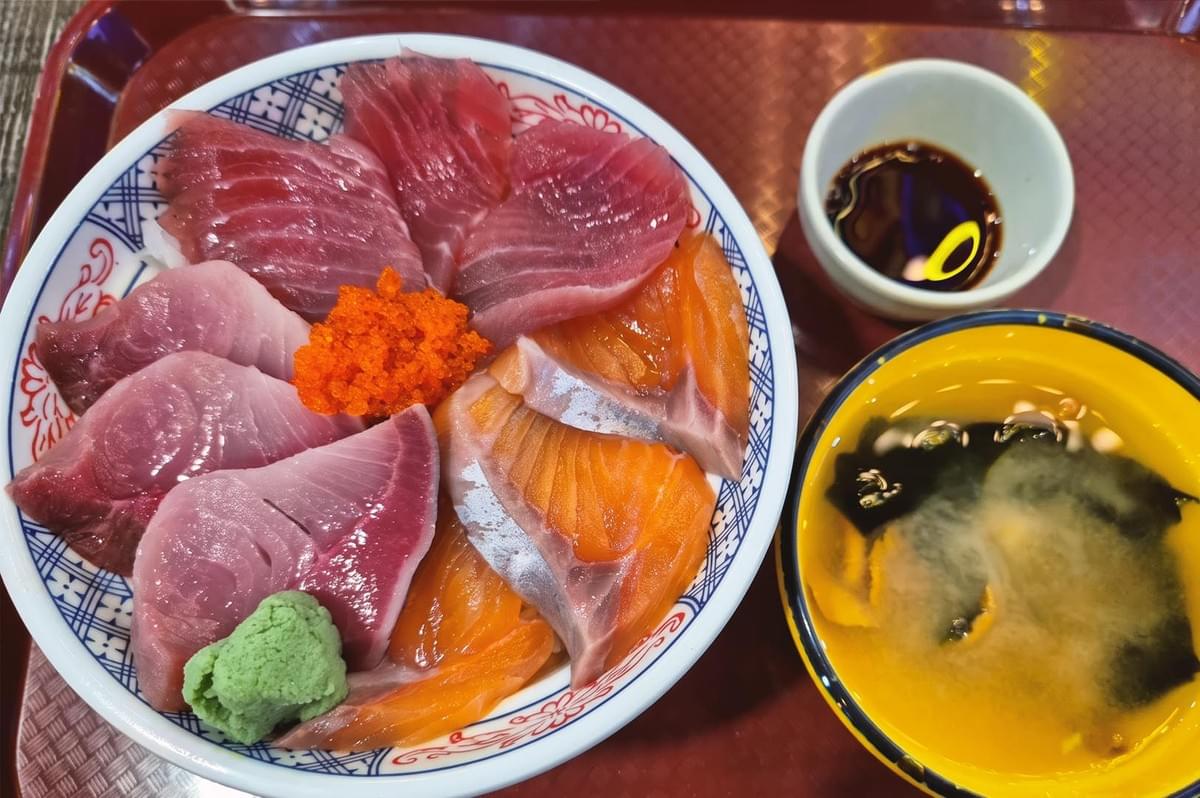
A sashimi don is one of those dishes that appears simple until you begin paying attention to its individual components. Raw fish is arranged over rice, sometimes accompanied by garnishes or additional seafood. There is little cooking involved, which means the quality of the ingredients becomes especially important.
Salmon is often the first thing diners notice. Its orange colour and natural richness make it visually appealing, but good salmon sashimi should offer more than appearance. The slices should have a pleasant, tender texture without becoming overly soft, while the flavour should remain clean rather than excessively fishy. When I first started exploring Japanese cuisine more seriously, I found a great resource on Social Eats & Drink that helped me understand the subtle differences between sushi and sashimi.
The rice deserves equal consideration. It should support the seafood without overwhelming it, providing enough substance to make the bowl satisfying. Too much rice can leave the fish feeling like an afterthought, while an unbalanced serving can become heavy before the meal is finished.
Salmon, Ikura, and the Appeal of a Balanced Bowl
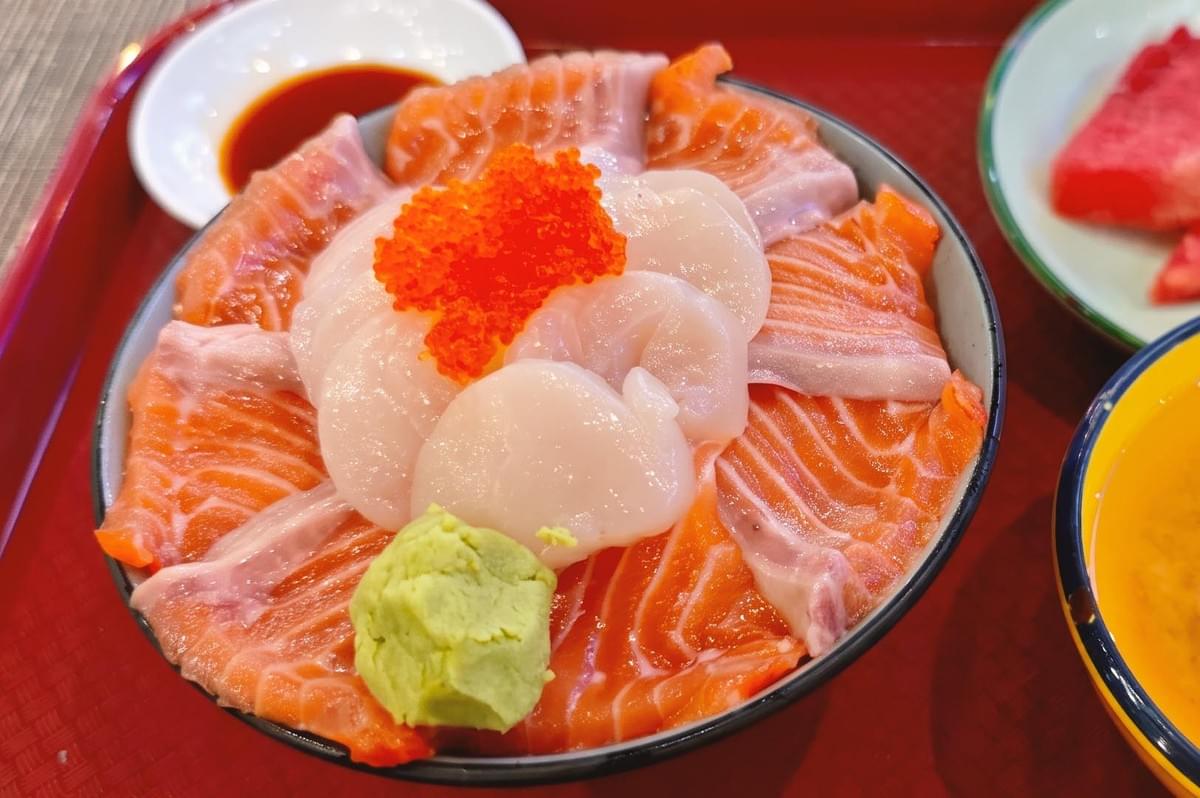
One of the pleasures of Japanese donburi is the contrast between ingredients. Salmon offers a soft, rich mouthfeel, while ikura, or salmon roe, introduces a different texture altogether. Each small pearl bursts gently when eaten, releasing a concentrated savoury flavour that can complement the richness of the fish.
When these ingredients appear together, balance becomes especially important. Too much seasoning can overwhelm the seafood, while excessive toppings can make the bowl feel crowded. The best combinations allow each ingredient to contribute something distinct.
I find this particularly interesting because Japanese cuisine often places considerable value on restraint. A dish doesn't need an endless variety of ingredients to feel complete. Sometimes, a few carefully chosen components create a more satisfying experience than an elaborate arrangement.
For diners considering the Otoko Ten Ten menu, this is the standard worth keeping in mind when choosing between different rice bowls. A generous portion is welcome, but the more revealing question is whether the flavours remain enjoyable from the first mouthful to the last.
Why Affordable Japanese Food Has Found a Place in Singapore
There is a broader story behind the popularity of Japanese food stalls like Otoko Ten Ten.
Singapore's dining culture has always been comfortable borrowing ideas and adapting them to everyday life. Japanese donburi fits naturally into this environment because it offers something familiar: a complete meal built around rice, protein, and complementary flavours.
The format is practical, too. A bowl can be served without the elaborate preparation associated with a multi-course Japanese restaurant, making it suitable for lunch breaks and casual meals.
Of course, affordable prices should not mean compromising on food safety or ingredient handling. Raw seafood requires proper sourcing, refrigeration, and hygienic preparation regardless of whether it is served at a premium restaurant or a modest stall.
For a wider range of authentic Japanese dining in Singapore, Cuppage Plaza is a notable spot worth exploring (see more here).
Otoko Ten Ten Reviews: What Should Diners Look For?
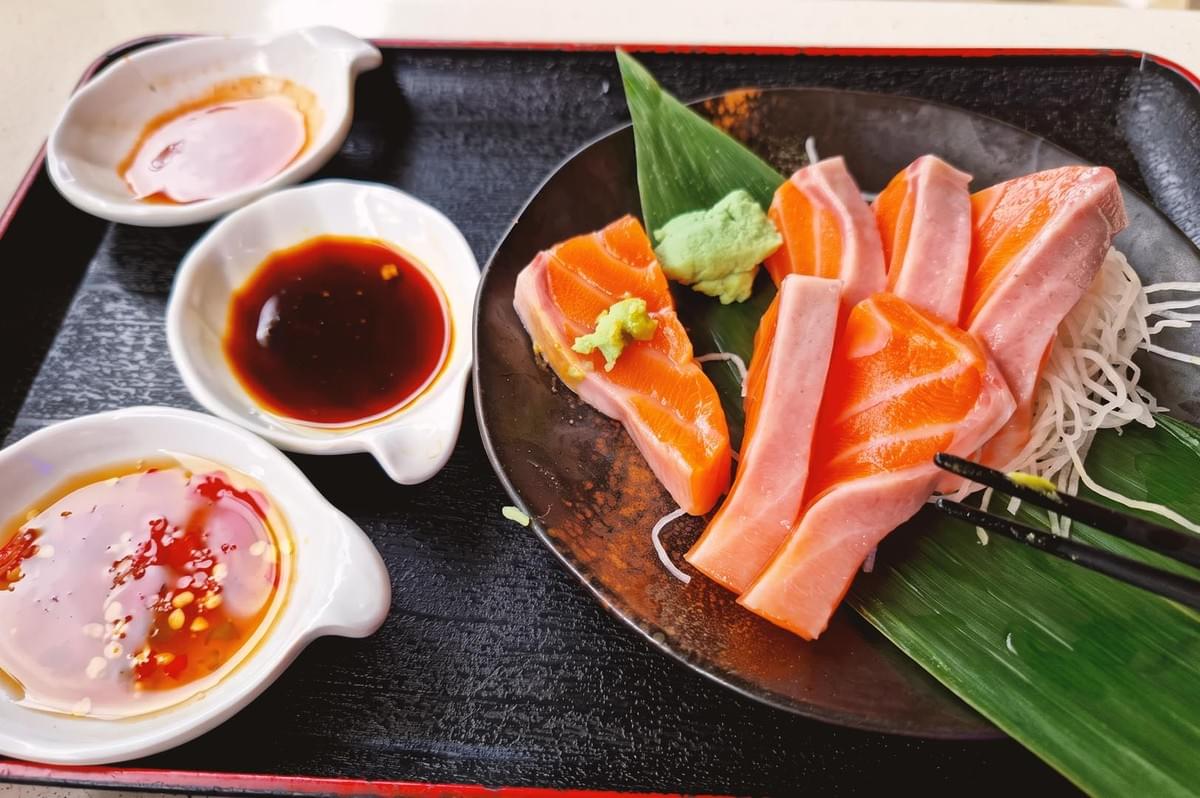
When reading Otoko Ten Ten reviews, I would pay particular attention to comments about consistency rather than simply portion size. Generous slices of sashimi may make an immediate impression, but texture, temperature, and rice quality are better indicators of whether a bowl has been prepared thoughtfully.
A good sashimi don should also feel balanced. The salmon should remain the main attraction, the rice should complement rather than dominate, and additions such as ikura should contribute flavour without making the dish unnecessarily rich.
There is also the question of expectations. A casual Japanese stall is unlikely to provide the same atmosphere or extensive menu as a full-service restaurant. That isn't necessarily a weakness. Its appeal lies in offering a more straightforward dining experience where the food takes priority.
For someone exploring Japanese cuisine beyond the usual sushi restaurants, that can be a refreshing change.
Final Thoughts: The Appeal of Otoko Ten Ten
What interests me most about Otoko Ten Ten is the kind of dining experience it represents. Japanese food in Singapore is no longer confined to formal restaurants or special occasions. It has become part of the everyday food landscape, where a bowl of rice and carefully prepared seafood can offer a satisfying alternative to familiar local meals.
The sashimi don captures that appeal particularly well. Its success depends on a few essential details: the quality of the salmon, the texture of the rice, the balance of toppings, and the care taken during preparation.
In addition, Otoko Ten Ten offers a half portion option for some dishes, allowing diners who wait for a lighter meal or smaller order to enjoy their favourites without committing to a full serving. The stall is open daily, welcoming customers from lunch through dinner, except for occasional closed days which are announced in advance.
The form of the rice bowl and the freshness of the seafood are key to the experience, reflecting a year-round commitment to quality. Otoko Ten Ten's careful sourcing and preparation ensure that even casual meals maintain a high standard, making it a reliable choice for those who appreciate good Japanese food in a casual setting.
