You probably know the sound before you see the plate. A metal ladle scrapes the large wok, onions and garlic hiss in hot oil, and a heap of yellow noodles turn a deep reddish-brown as tomato ketchup, chilli and seasonings hit the heat of the wok. Then come the green onion slices, a scramble of egg ribbons, and a few cubes of tau kwa. Within minutes, the plate lands with a lime wedge on the side and a faint smoky smell that drifts over the tables.
I call mee goreng a champion with affection, not because it has won any award. It has earned a place on our tables simply by showing up, plate after plate, and being reliably delicious. Here is why I think this everyday meal deserves more credit than it usually gets.
A Plate Built From Many Kitchens: The Stir Fried Noodles of South East Asia
"Mee goreng" or mie goreng simply means "fried noodles" in Malay and Indonesian. That plain name hides a surprisingly layered story. The Indian-Muslim version, often called mamak mee goreng, is widely described as an early fusion dish. It brings together three kitchens at once:
- Yellow egg noodles, a staple of Chinese cooking, often stir fried in a large skillet or wok
- Spices and mutton, reflecting South Indian-Muslim cooking influences
- Tomato sauce (ketchup), an ingredient often linked to Western cooking
What strikes me is that this blend did not come from a test kitchen trying to be clever. It grew out of communities living and cooking side by side, picking up whatever worked.
The Chulia Connection and Soy Sauce Variations
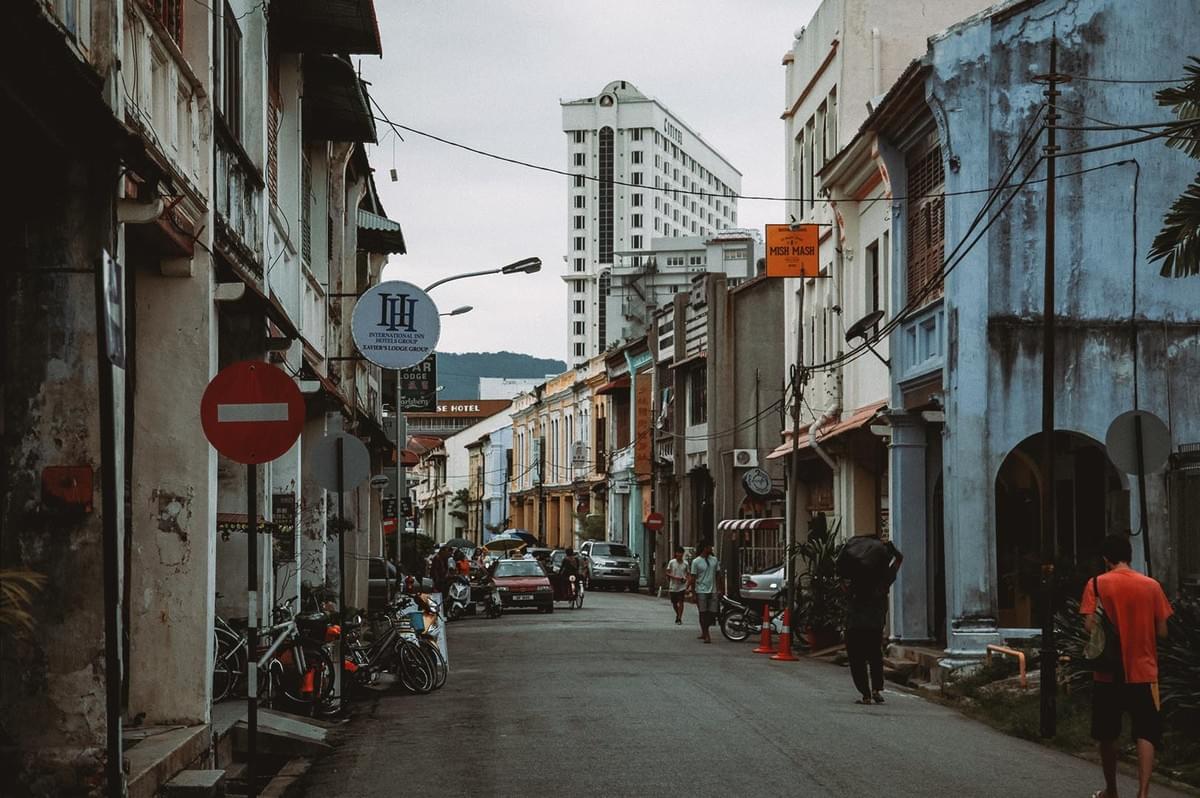
Here is where I want to be careful. Singapore food-history sources credit the Tamil-Muslim Chulia community from Madras, present-day Chennai, with popularising Indian mee goreng here, although that does not mean there is a single documented inventor. These are origin stories worth knowing, but they are not settled history, and I would treat them as accounts rather than facts. Mee goreng became a beloved staple in local food centres, where it is commonly enjoyed by many.
What we can say with more confidence is this: mee goreng remains strongly tied to the Indian-Muslim community, even though it is sometimes grouped under Malay food. It is linked to South Indian cooks, yet the dish itself is very much a product of this part of the world. You won't find this exact plate in Chennai, and that is the point. It belongs here.
Variations in soy sauce use are common. While kecap manis, a dark sweet soy sauce, is the traditional base, some cooks add dark soy sauce or regular soy sauce to adjust saltiness and deepen the flavour.
What Goes Into the Wok: The Full Recipe for Delicious Stir Fried Noodles
Ask ten hawkers for their mee goreng recipe and you will probably get ten polite non-answers. Still, a familiar cast tends to appear.
The Usual Suspects: Noodles, Vegetables, and Protein
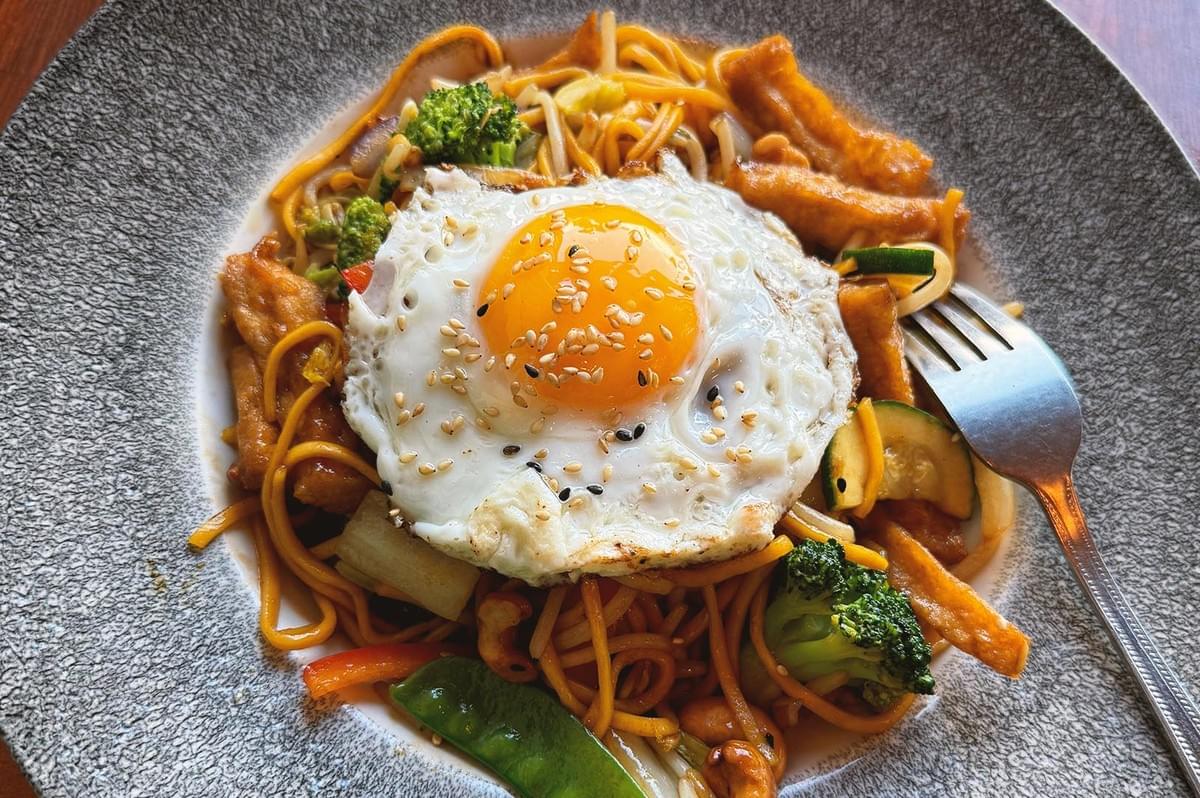
A typical plate starts with yellow egg noodles or sometimes instant noodles like instant ramen noodles or packet noodles, stir fried alongside garlic and shallots in a large wok or pan. From there, you might see boiled potato, white cabbage, broccoli, carrot, peas, beansprouts, and tau kwa. Eggs show up boiled, scrambled, or fried as egg ribbons, depending on the cook. Thin slices of spring onions or scallions add a fresh, grassy heat, and tomato sauce (ketchup), sometimes joined by sriracha, ties it all together.
Shrimp or pork often provide the protein, stir fried quickly over medium heat to keep them tender.
The potato is my quiet favorite. It soaks up the sauce, softens at the edges, and breaks apart into the noodles, giving each mouthful a little starchy body.
Where Stalls Go Their Own Way: Flavour, Spice, and Garnish
This is where things get interesting. Mee goreng is not one fixed recipe, and the variations say a lot about each cook's instincts:
- Some stalls add tamarind juice for a gentle sourness.
- Others toss in curry powder and toasted sesame seeds for fragrance and nuttiness.
- A few use prawn stock for deeper savoriness.
- Some even stir in mashed sweet potato for extra sweetness and a thicker coating.
- Certain stalls pour mee rebus gravy over the top, turning a dry fry into something saucier.
- More recently, fried shallots have become a popular garnish, adding crunch and aroma.
Color has shifted over time too. Mee goreng was traditionally brown, but today it usually wears a strong red hue from tomato sauce. Common garnishes include fried shallots and chopped green onion or spring onions to serve immediately.
Why Wok Hei Matters So Much in Stir Fried Noodles
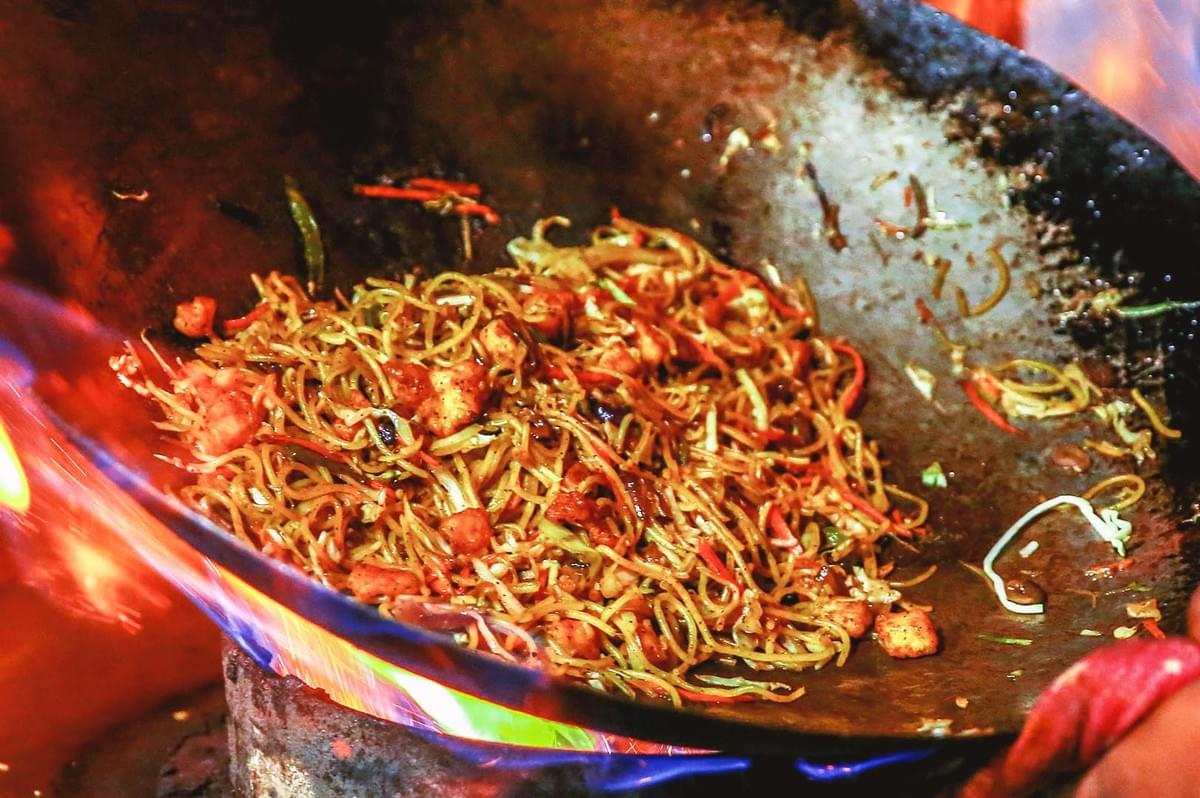
A good plate of mee goreng is not just sauced noodles. Many cooks would say some strands should be slightly charred and crispy. That is the work of a very hot wok and constant movement.
When the flame is high and the cook keeps tossing, the noodles fry instead of steaming. The sugars in the tomato sauce catch and caramelize, creating dark, slightly bitter spots that stop the dish from tasting flat or candy-sweet. That faint smokiness, often called wok hei, is what makes you go back for another forkful even when you are full. Shiok, really.
The Balancing Act: Sweet Soy Sauce, Soy Sauce, and More
What I admire most is the judgment involved. In a few minutes, the cook has to manage:
- Sweetness from kecap manis (sweet soy sauce), tomato sauce, and sometimes sweet potato
- Savoriness from meat, soy sauce, or seasoning
- Heat from chilli, which can range from mild to properly got kick
- Acidity from tamarind, tomato, or that squeeze of lime at the end
- Moisture, so the noodles stay coated but never soggy
Too much sauce and the plate turns wet and heavy. Too little and it gets dry and sticky. Crowd the wok and everything stews. A skilled hawker reads all of this by sight, sound, and smell, adjusting on the fly. That is craft, even if it comes on a melamine plate.
Cousins, Not Rivals: Mee Goreng and Other Fried Noodles
It is natural to compare mee goreng with other fried noodles we love. Many Chinese-style fried noodle dishes lean on soy and oyster sauce for a deep, salty savoriness. Mamak mee goreng goes another way, built around tomato, chilli, and spice, with a sweet-tangy edge.
I don't see this as a contest. They are cousins at the same family gathering, each with their own personality. Having both within walking distance at most hawker centers is one of the quiet luxuries of eating in South East Asia.
A Quick Note on Halal
Indian-Muslim stalls are the traditional home of this dish and generally serve halal food, but certification differs from place to place. If it matters to you, look for the certificate at the stall or check the official Muis listings rather than assuming.
Look Closer at Your Next Plate of Stir Fried Egg Noodles with Egg Ribbons
Mee goreng is so familiar that it's easy to stop noticing it. It's supper after a late night, lunch on a rushed weekday, comfort when nothing else sounds right. But behind that red tangle of noodles sits a history of migration and shared kitchens, plus a cook making dozens of small decisions in the heat of a roaring wok.
So the next time a plate lands in front of you, take a second before you dig in. Notice the charred strands, the softened potato, the tang that cuts through the sweetness. Then tell me: how do you like yours? Extra spicy, with a fried egg, drowned in gravy, or loaded with ikan bilis? Everyone has a favorite plate, and I would love to hear about yours.
