
Some desserts make a big entrance. Tau huay just slips in quietly. Lift the lid off a big bowl or metal pot and there it is: a smooth, pale surface, barely trembling, with a soft cloud of steam and the nutty smell of freshly prepared soya bean milk. One thin scoop and it wobbles into your bowl. Drizzle on sugar syrup, and suddenly the afternoon feels a little slower and a lot kinder.
Tau huay and soya milk are among Singapore’s most underrated comforts. They’re humble, familiar staples at hawker centres, yet behind every silky spoonful is technique, patience and a long Chinese culinary tradition worth celebrating.
What Is Tau Huay? Bean Curd and Dou Hua
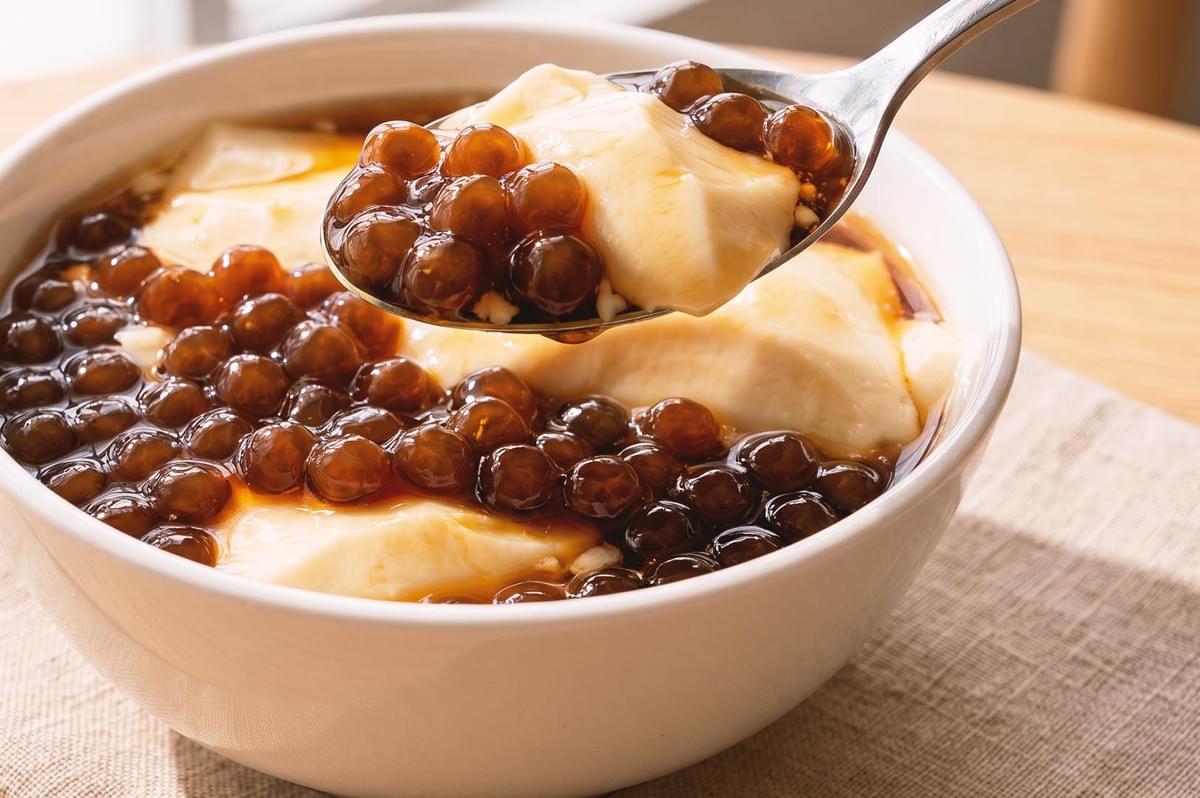
Tau huay (豆花), also called dou hua, means “bean flower” in Hokkien. This traditional bean curd dessert is made by setting soybean milk into delicate curds. The name evokes petals opening in a pot, while the drinkable cousin, fresh soya milk, sometimes called tau huay chui, offers the same gentle soy fragrance in liquid form.
Together, tau huay and soya bean milk are staples at hawker centres, kopitiam drink counters and late-night supper spots. Tau huay is softer than pressed tofu: a spoonful should hold its shape briefly, then yield with a silky smooth, almost pearl-like wobble.
Soya Bean Milk Starts With Good Soy Beans
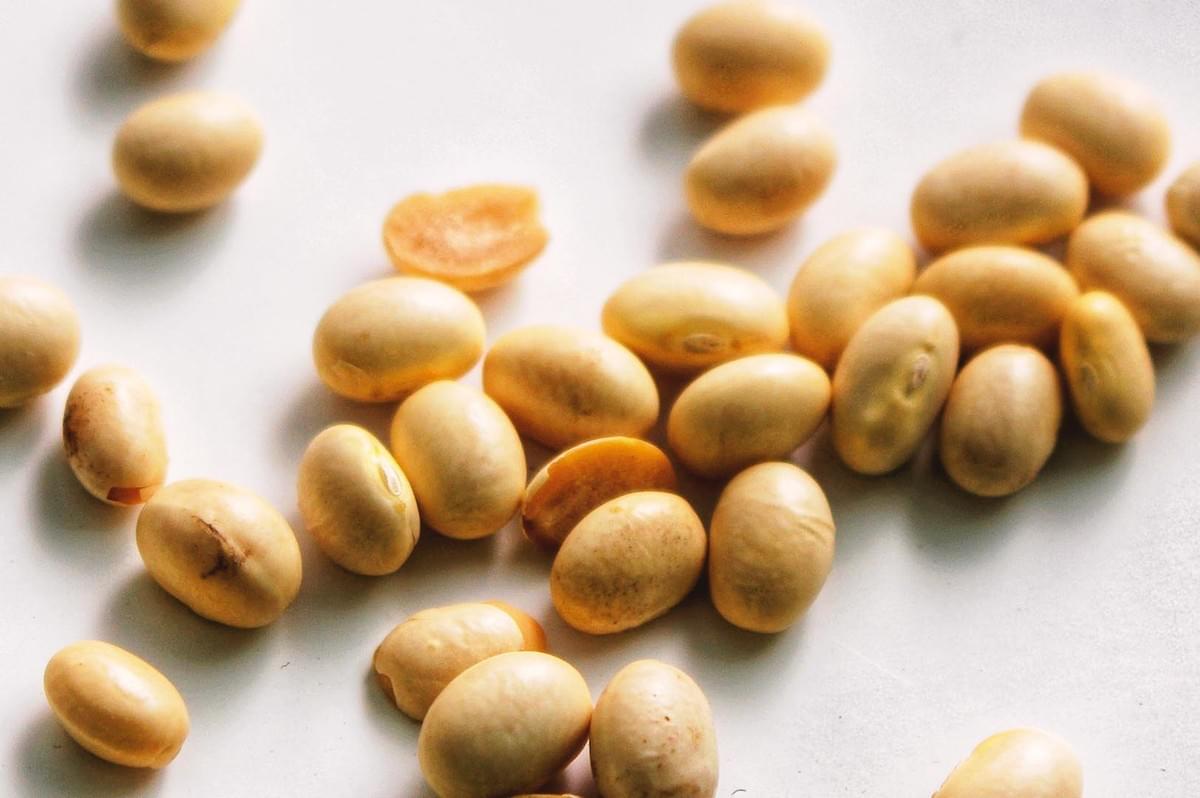
Before there is bean curd, there has to be good soya bean milk. Making it takes more care than the short ingredient list suggests. For a home recipe, dried soy beans are soaked overnight, drained and blended with fresh water until the soybean mixture turns pale and frothy. The water ratio affects how rich the milk tastes and how firmly the curd sets.
From Soya Bean to Soybean Milk
The basic process is straightforward: blend the soaked beans, then strain the liquid through a muslin cloth to separate the milk from the pulp, known as okara. Squeeze gently to extract as much milk as possible, but take care when handling hot liquid later.
Bring the soybean milk to a boil, stirring so it does not scorch. Skim away the foam and simmer it to cook out the raw, beany taste. This step develops a mellow, nutty flavour. Uncooked soya milk can taste grassy, while properly boiled milk is gently sweet and satisfying on its own.
Making Tau Huay With Gypsum Powder
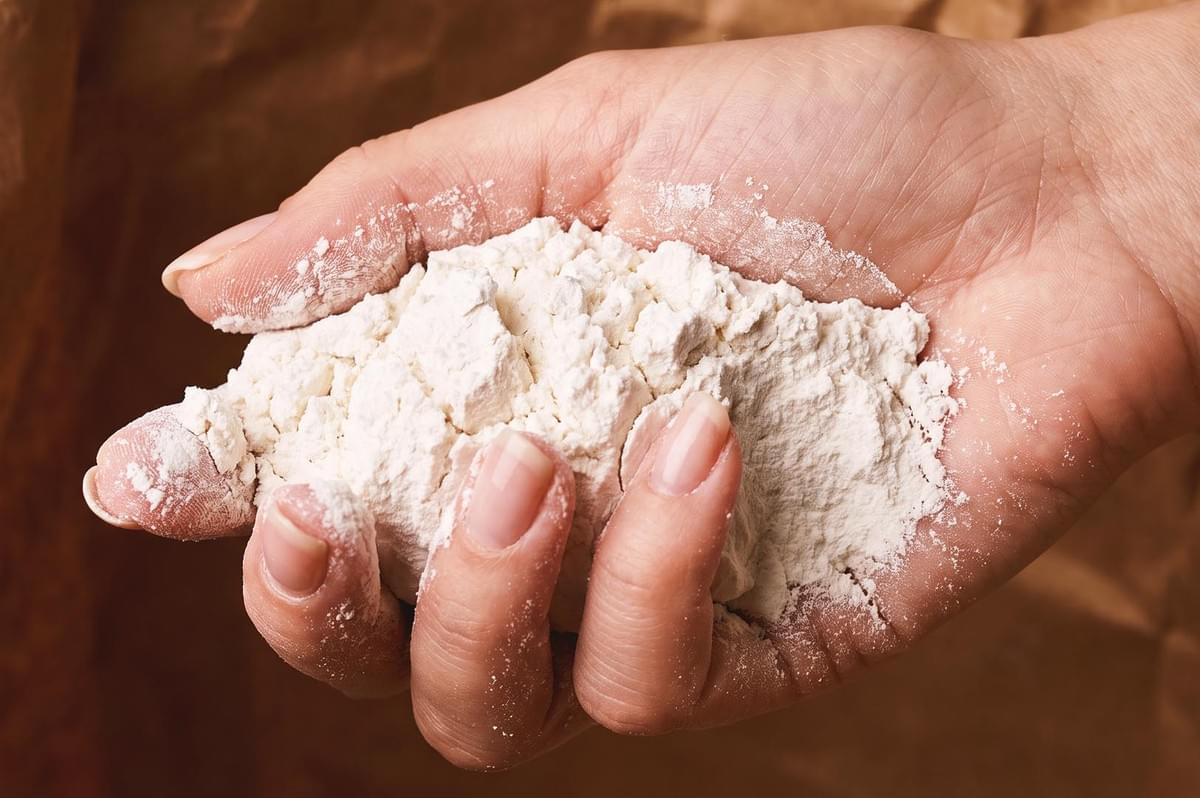
Soy milk will not become tau huay without a coagulant. Its type and quantity influence the final smooth texture. Traditional makers often use food-grade gypsum powder, or calcium sulfate, to set the curd. Dissolve the measured powder in water in a deep pot, then pour in hot soybean milk in one steady motion. The pour helps distribute the coagulant without stirring. Cover the pot and leave it undisturbed while it sets.
For a home batch, some recipes use 500g of soy beans with 2.5 litres of water. Exact measurements matter: too much coagulant can make the curd grainy or cause it to separate, while too little may leave a thick liquid that will not set. Avoid a high temperature that creates excess bubbles, since bubbles and uneven mixing can affect the surface. A steady temperature helps produce a delicate, silky smooth result.
Gypsum Powder, Glucono Delta Lactone and Lactone Powder
Another option is glucono delta lactone, often shortened to GDL or called lactone powder. It is available from baking suppliers such as Phoon Huat and is valued for a reliable, jelly-like set. Too much can create a tangy taste. Gypsum generally gives traditional tau huay a softer, custard-like texture, while lactone tends to set it more firmly.
Some people worry that gypsum causes kidney stones. As with any ingredient, the amount consumed matters, and individual health concerns should be discussed with a healthcare professional. Dr Tay and other health experts can advise on personal dietary questions; this article is not medical advice. The important cooking point is to use food-grade coagulant and follow a tested recipe rather than adding quite a bit by guesswork.
Soya Milk Temperature and Smooth Texture
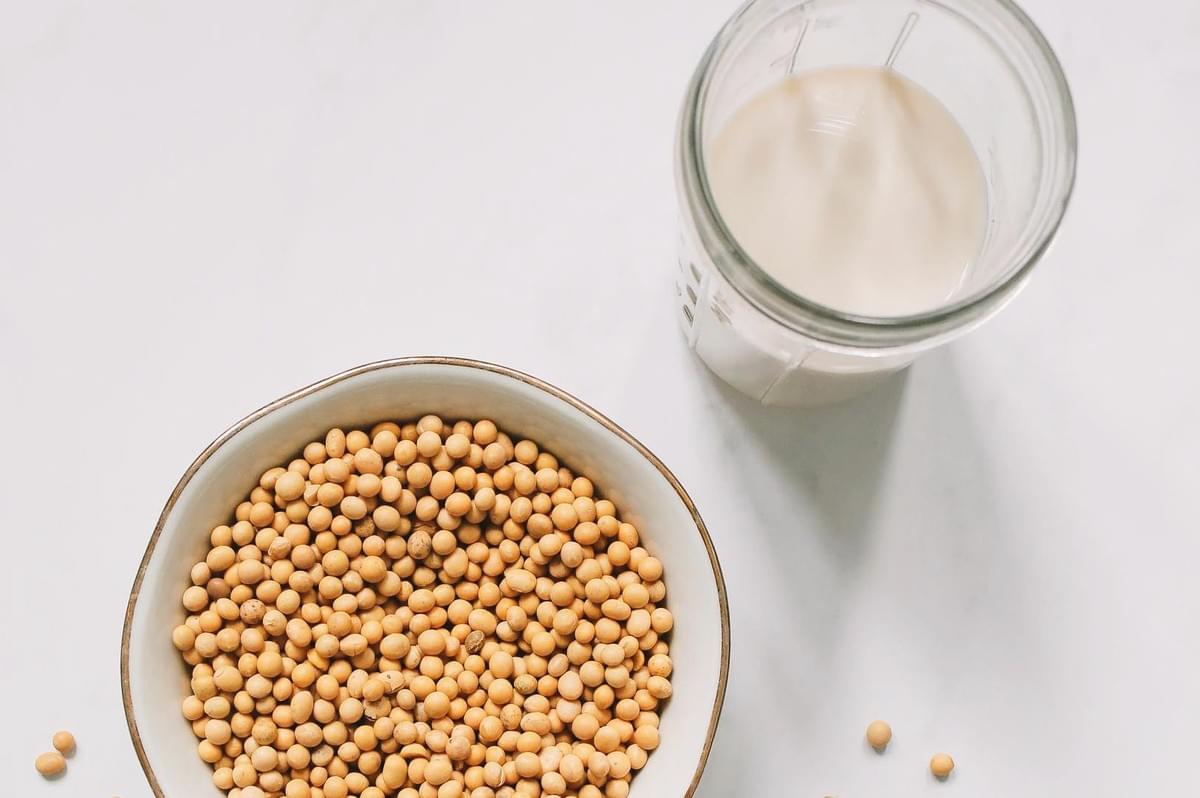
Temperature is crucial when making tau huay. Let freshly boiled soya milk cool slightly before adding it to the coagulant; an excessively high temperature can create bubbles and affect the texture. Pour from a little height to mix the ingredients, then do not stir once the liquid is in the pot. A rice cooker on a warm setting can help maintain an even temperature for a small batch, provided it does not overheat the mixture.
The curd should be left alone until set. Lifting the lid, shaking the pot or stirring too soon can disrupt the surface. With careful measurements and a consistent process, the result is smooth, delicate and ready to serve.
Sugar Syrup, Brown Sugar and Grass Jelly Toppings
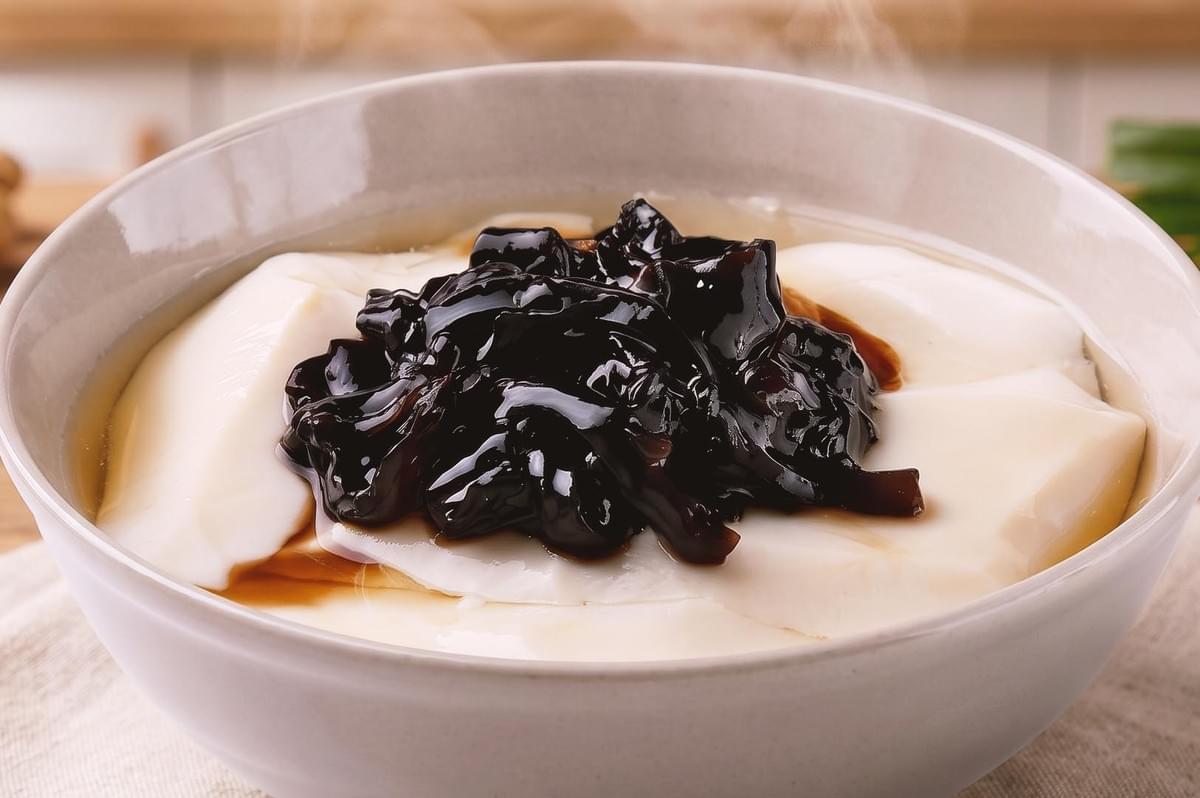
Plain tau huay has a mild soybean flavour, but sugar syrup brings it into balance. A light drizzle is usually enough; brown sugar adds a deeper, caramel-like sweetness. Ginger syrup is a classic partner for warm tau huay, while pandan can lend fragrance. Choose toppings to suit your taste: grass jelly, longan, red dates, red beans and taro balls are popular additions. Some stalls also offer chewy pearls for extra texture.
Warm or Cold Bean Curd?
Tau huay can be served hot or cold. Warm bean curd is comforting on a rainy evening, especially with ginger syrup. Chilled tau huay feels refreshing in Singapore’s heat and highlights its silky smooth texture. Both styles have devoted fans, and there is no wrong choice.
Dou Hua and Tofu Pudding Traditions
Regional versions of tofu pudding reflect local tastes. Taiwanese dou hua, for example, may come with a variety of toppings, while Singapore’s familiar bowl is often served simply with syrup. Xi Shi beancurd is a different, modern pudding-style dessert: typically chilled and firmer, it is closer to a creamy jelly than traditional tau huay. These variations show how a simple soybean base can become many distinct desserts.
Hawker Centres Keep the Tradition Alive
Tau huay remains an everyday favourite at Singapore’s hawker food centres, kopitiams and dessert shops. Rochor Original Beancurd has served the dessert since 1955, helping keep a much-loved local tradition in view. Selegie Soyabean is another familiar name, offering soya beancurd, soya milk, grass jelly and snacks at outlets around the island. Check individual locations for current opening hours and delivery options.
Small Bowl, Big Memories
What makes tau huay special is its quiet familiarity. It is there after school, after a market visit or at the end of a long workday. Behind each bowl are the steps of soaking, blending, straining and setting, and the patience needed to get that delicate texture right.
The next time you have a craving, stop by a beancurd stall and order tau huay warm or chilled. Notice its gentle soy aroma, the way the syrup gathers at the edges and the soft wobble of each spoonful. Whether you call it tau huay, dou hua or tofu pudding, this humble dessert stays part of Singapore’s food culture because people keep returning to it.
Cool down the hawker-centre way with our guide to sugarcane juice with lemon in Singapore, a simple, refreshing drink that pairs perfectly with a hot day and a hearty meal.
