
It was close to 9 PM when I finally found a parking lot near the corner of Geylang Lorong 35, and my stomach was already grumbling like an angry uncle. The smell hit me before I even sat down. Garlic frying hard in a screaming hot wok, the sharp tang of black bean sauce, and that unmistakable whiff of fresh seafood steam rising into the warm Geylang night.
I had heard people talk about Sin Huat Eating House, one of the most talked-about seafood restaurants in Singapore, for years, especially their legendary crab bee hoon, and finally I dragged myself down to see what the fuss was about.
The place is not fancy. Plastic chairs, old tiles, the kind of fluorescent lighting that makes everyone look slightly tired. But the energy? Steady. People hunched over plates, slurping, cracking shells, wiping sweat. I knew right away I had come to the right eating house.
Setting the Scene in Geylang’s Red Light District at Sin Huat Seafood Restaurant
Geylang at night has its own rhythm. A bit gritty, a bit chaotic, but also strangely comforting if you grew up eating in spots like this. Sin Huat sits right in the thick of it, surrounded by the usual hum of motorbikes, the clatter of mahjong somewhere nearby, and the chatter of diners who clearly know their food. This sin huat seafood restaurant is located in Singapore’s infamous red light district, which adds to its gritty charm.
There is no air-con to save you here. You sweat while you eat, and somehow that makes everything taste better. The staff move fast, weaving between tables, calling out orders, balancing plates like it is second nature. You can feel the years of practice in how smoothly everything flows, especially under the watchful eye of Chef Danny, the one man behind the wok who prepares each dish with abundant use of fresh ingredients.
From Humble Cze Char to a Geylang Legend: Sin Huat Eating House
Cze char, for those who need a quick refresher, simply means cooked food prepared on the spot, usually in a no-frills setting where one or two chefs run the show with a wok and a lot of fire. It is the backbone of everyday Singaporean dining. Family dinners, late suppers, gatherings with your kakis. This is the food we grew up with.
Sin Huat started the way many of these places did, as a modest stall feeding hungry locals who wanted honest, well-cooked seafood dishes without the exorbitant prices of fine dining. Over time, word spread. Anthony Bourdain featured Sin Huat Eating House in his recommendations. The seafood here, especially the crab bee hoon, became the stuff of quiet legend among people who take their makan seriously.
What I find admirable is the consistency. Running a cze char spot is back-breaking work. Long hours, brutal heat, and the constant pressure to deliver the same quality plate after plate. Sin Huat Eating House has been doing this for decades, and that kind of staying power does not happen by accident. That said, reviews on the food quality are mixed.
What Bib Gourmand Actually Means for Sin Huat Eating
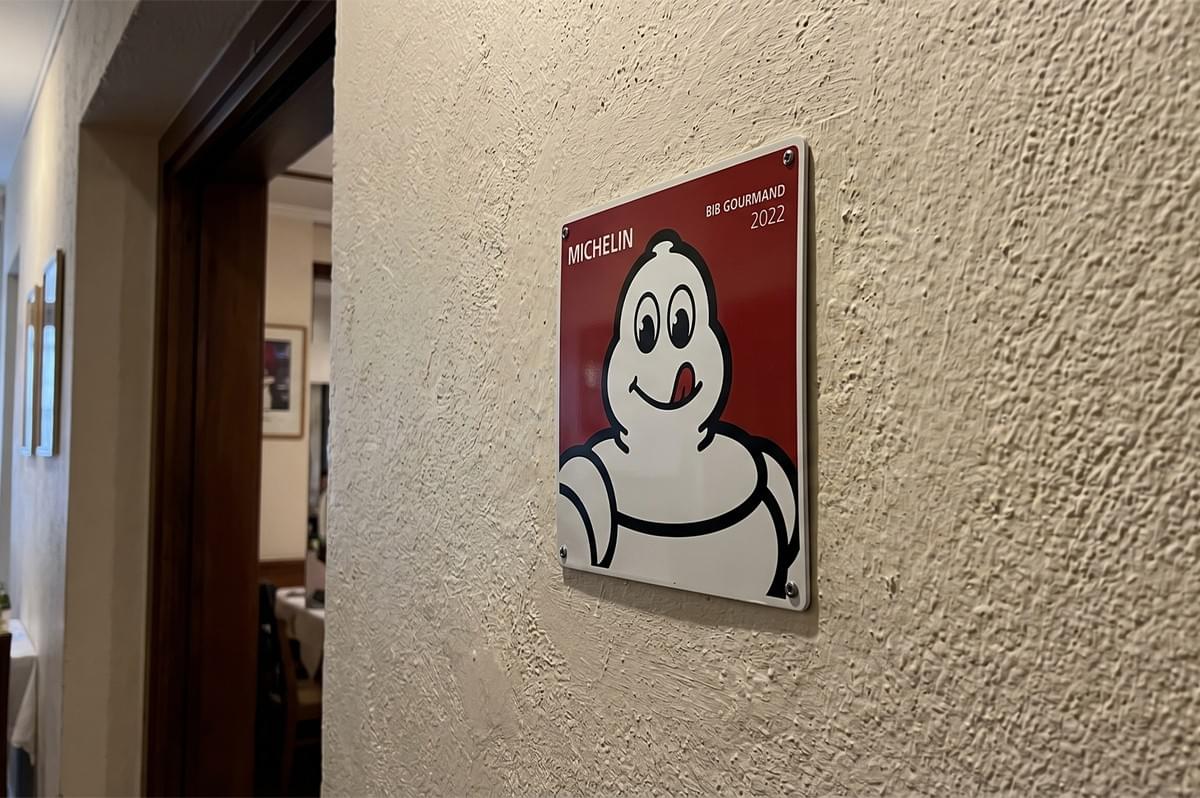
You have probably seen the term thrown around. Let me break it down simply. The Michelin Bib Gourmand is recognition for places that serve great food at friendly prices, though at Sin Huat a full seafood meal can still cost $100 or more per person. It is not the same as a Michelin star, which leans toward fine dining. Bib Gourmand is Michelin saying, "This food is seriously good, and you won't need to sell a kidney to enjoy it."
For a humble cze char spot like Sin Huat, that recognition is a big deal. It puts a small, sweaty, plastic-chair establishment on the same conversation as polished restaurants. It tells the world that our hawker and cze char culture deserves respect. And honestly, when a place like Sin Huat Eating gets that nod, every local who has eaten there feels a little proud, like our neighborhood secret finally got its due.
The Sin Huat Crab Bee Hoon and Other Seafood Dishes That Made Me a Believer
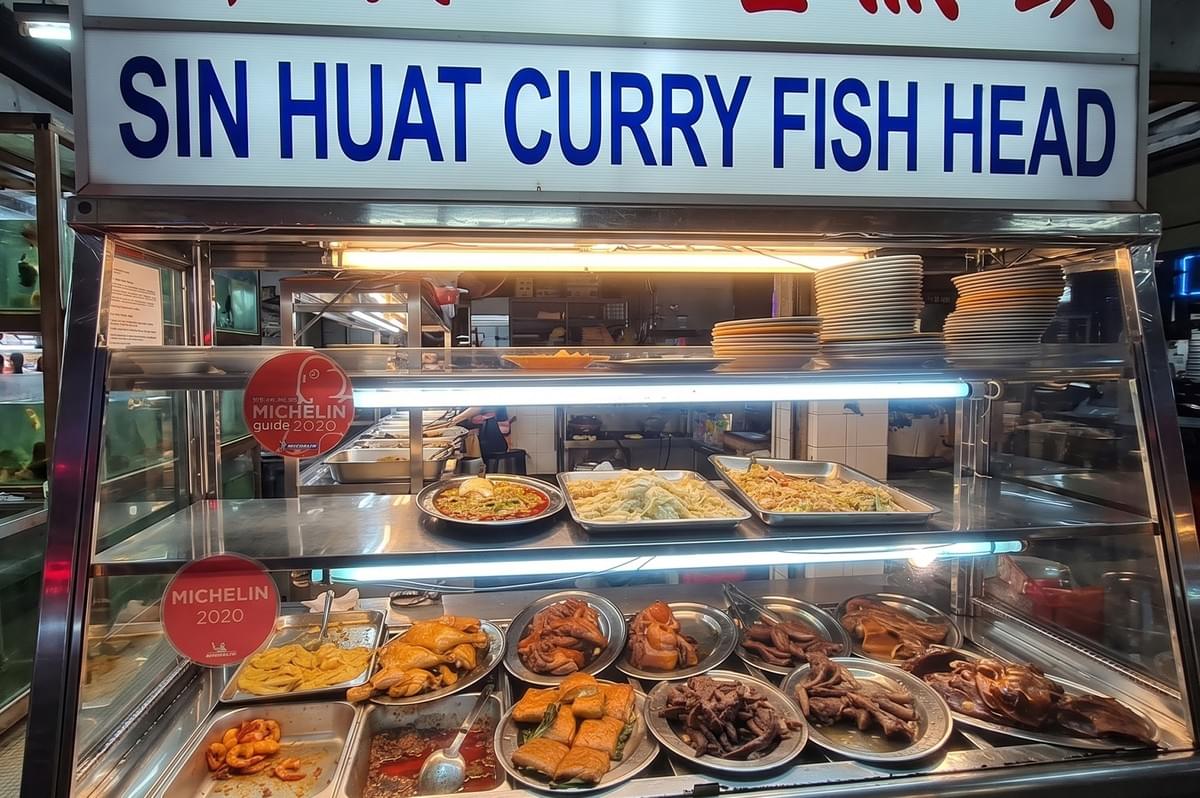
Let me get to the good part. The food. Sin Huat Eating House has no menu, so the whole meal starts with what looks best that day. Chef Danny then prepares the seafood based on what you select. Because at the end of the day, all the accolades mean nothing if the plate disappoints. Spoiler: it did not.
The Legendary Crab Bee Hoon You Cannot Tahan at Sin Huat Eating House
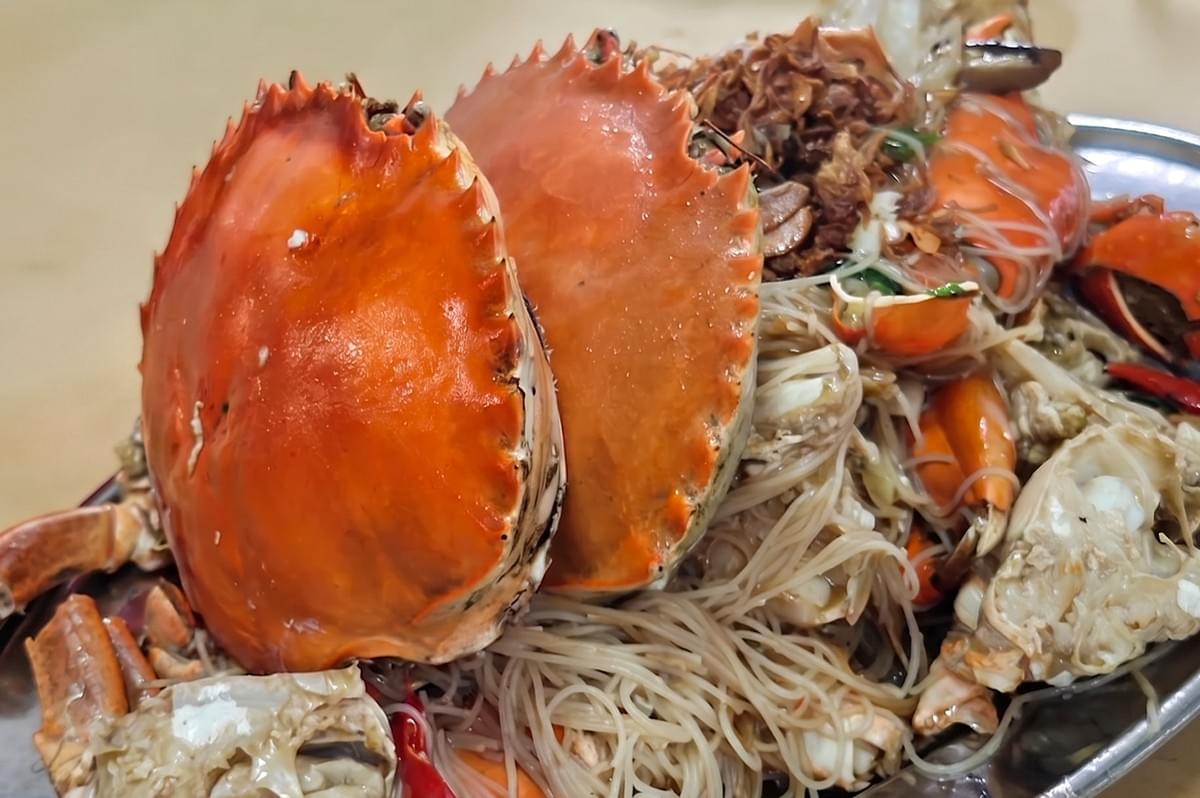
This is the dish everyone talks about, and now I understand why. The crab bee hoon arrives steaming, swimming in a rich, savory sauce that has soaked deep into every strand of rice vermicelli. The noodles are soft but not mushy, carrying the sweetness of crab and the depth of a stock that clearly took effort, and it can cost around $80 per kg. The wok hei imparts a smoky char that ties everything together, while the chunks of crab are finally plucked clean, sweet, and tender.
You get prawns and scallops sometimes, all cooked just right. The aroma alone makes you lean in closer. That first mouthful is pure comfort, the kind that makes you go quiet for a second because you are too busy enjoying it. Locals love it because it feels homely yet special, the sort of thing you cannot easily recreate in your own kitchen.
Sin Huat Eating House’s approach to seafood is straightforward yet effective, freshness is paramount, and every ingredient is treated with respect. The restaurant operates without a fixed menu, so the selection depends on what is fresh and available that day, making each visit a unique experience. This no-menu concept allows Chef Danny to showcase the best seafood options, including prized items like chicken seafood varieties and the sought-after zhong yu fish when available.
While the setting is humble, the quality of the seafood and the skill in preparation make it worthy of its Michelin Bib Gourmand status. The prices, though on the higher side for a cze char spot, reflect the premium ingredients and the labor-intensive cooking techniques involved. Dining here is a paid experience in the truest sense, you are investing in authentic flavors and a slice of Singapore’s culinary life.
Other Must-Try Seafood Dishes at Sin Huat Eating
The crab bee hoon might be the star, but the supporting cast deserves praise too. Here’s what we ordered that night:
- Garlic steamed prawns, cooked with abundant garlic and ginger, costing around $84, bursting with flavour and wok hei.
- Steamed scallops covered in black bean sauce, served fresh and tender.
- Medium sized fish, steamed perfectly with ginger and vegetables, offering a pleasant chew and clean taste.
- Gong Gong sea snails, a briny favourite priced at $25 per kg.
- Steamed squid, a popular order that costs around $40.
- Otah served on a banana leaf, spicy and fragrant, a good laugh on the palate.
- Har cheong gai, fried prawn paste chicken, crispy and packed with flavour, much like the frog-leg dishes some order with chicken essence.
Each dish was prepared with care by Chef Danny, the one man behind the stall who runs the kitchen with precision and passion, and together they capture the essence of Sin Huat's seafood cooking, despite occasional rude service from some staff who seem like food nazis about how the food should be eaten.
The People Behind the Wok at Sin Huat Eating House
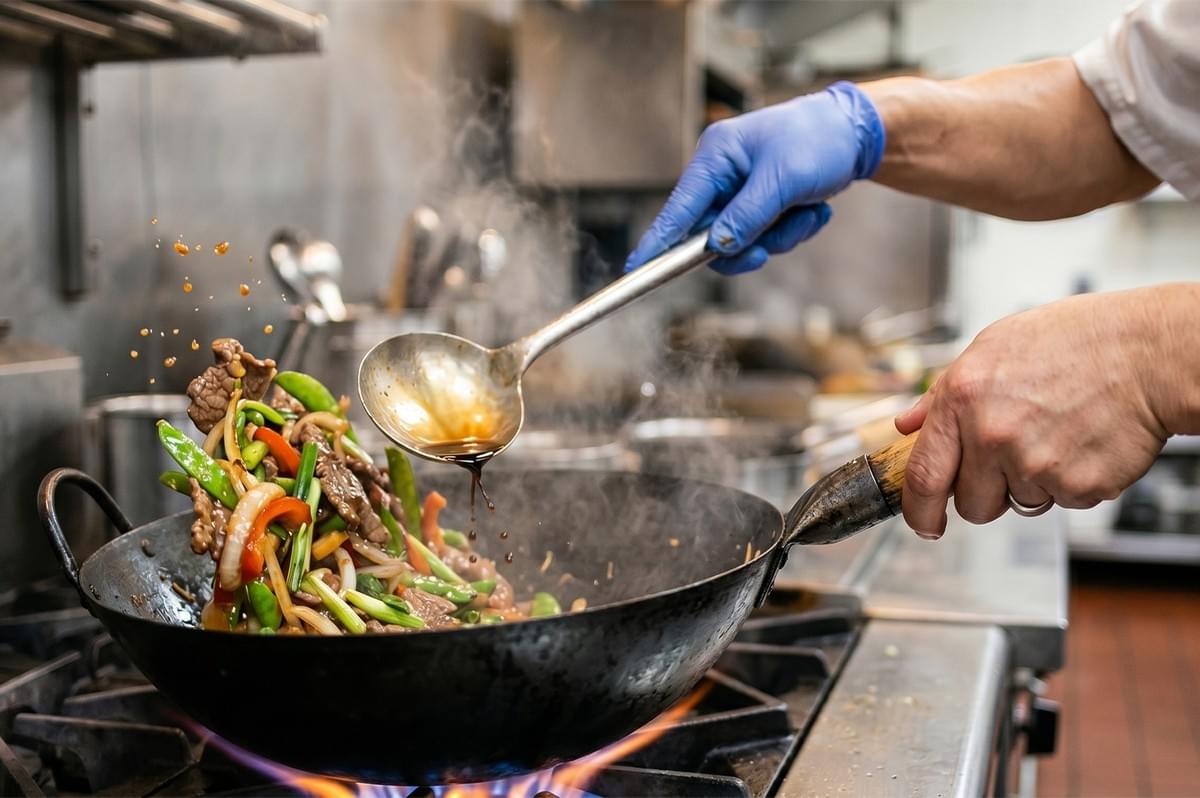
What stuck with me was not just the food, but the grind behind it. Chef Danny commands the wok like a veteran general, flames leaping, ladle clanging against the metal in a steady rhythm. The heat near the kitchen is no joke. Standing there for hours, night after night, takes serious heart.
The staff hustle with quiet pride. There is no fake smile, no scripted greeting, just genuine people doing honest work. That authenticity is something you cannot manufacture. It is the soul of places like this, and it is exactly what we risk losing as these legacy spots slowly fade.
How to Makan Like a Regular at Sin Huat Eating House
If you are planning a trip down, a little know-how goes a long way. Here is what I would suggest:
- Go with a group so you can order more dishes and share. Solo eating limits you here.
- Expect to wait, especially on busy nights. Good food in Geylang draws crowds, so be patient.
- Bring cash to be safe, and prepare for a no-frills, sweaty setting.
- Pace yourself. The portions are generous, and you will want room for the crab bee hoon and other seafood dishes.
Best time to go, in my experience, is dinner onward when the late-night energy kicks in and the wok is firing nonstop. Bring your supper kakis, your family, or your colleagues who appreciate proper food over fancy decor.
Go Down and Taste Sin Huat Eating House for Yourself
Sin Huat Eating House is more than a place that earned a Michelin Bib Gourmand nod. It is a reminder of how good honest, hard-won food can be. The legendary crab bee hoon, the garlic prawns, the smoky greens, all of it comes from years of dedication in a hot, demanding kitchen. That is something worth celebrating and, more importantly, worth supporting.
So round up a few hungry friends, head down to Geylang, and order generously. These legacy seafood restaurants survive because we show up for them. Go try it, soak in the atmosphere, and when you do, tell me what you ordered. I am always keen to hear which dish made you a believer. Steady lah, see you there.
Visit tasteourtraditions.com for a worthy list of underrated eats across Singapore.
