
The first time tea really got me, I was sitting on a wobbly stool in a Chinatown shop, half-hiding from the afternoon heat. An uncle there didn't ask what I wanted. He just poured.
The cup was small, barely a mouthful. I drank it expecting something bitter, something like the tepid Chinese black tea you get at a dim sum table. Instead, it was warm, a little woody, with a sweetness that lingered long after I swallowed.
I sat there for a while. He poured again. We didn't talk much. But I left thinking about that cup for days.
If you've ever stood in front of a wall of loose leaf tea tins feeling completely blur, this is for you. No jargon overload. Just a friend walking you through it.
Pu'er Tea: The Fermented Dark Tea from Yunnan Province
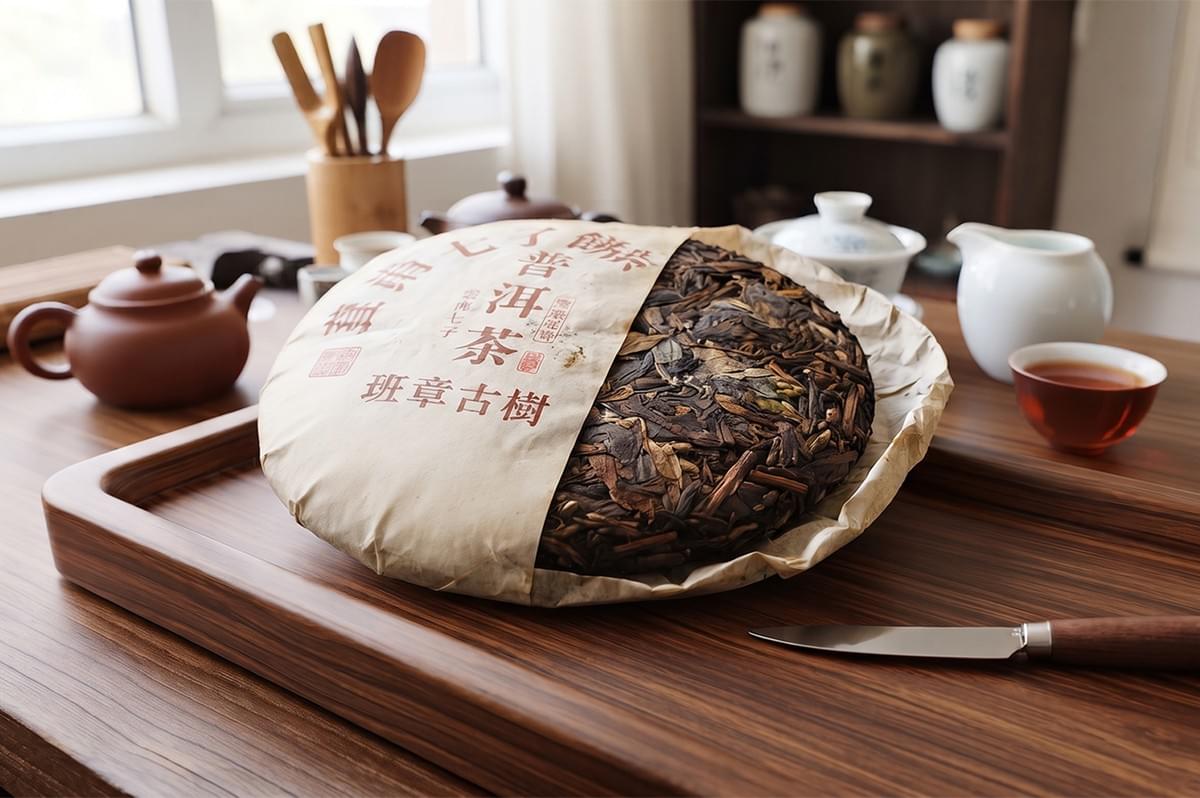
Pu'er tea, also called pu erh, is a special kind of fermented dark tea that mainly comes from Yunnan province in China. Unlike green tea or black tea, pu'er goes through a unique microbial fermentation process, which gives it a rich aroma and a complex flavor.
There are two main types: raw (sheng) and ripened (shou). Raw pu'er ages naturally over the years, developing a smooth, honey-like taste thanks to its amino acids and tea polyphenols. Ripened pu'er, on the other hand, is fermented faster using a wet piling method, resulting in earthy, mellow flavors that remind you of a forest after rain.
You’ll often find pu'er pressed into cakes or bricks, which makes it easy to store and age, kind of like fine wine. The leaves come from ancient tea trees in the famous Six Great Tea Mountains of Yunnan, where the unique environment really shapes the tea’s quality and flavor.
When brewing, it’s best to use hot water but avoid boiling water on young raw pu'er to keep it from tasting bitter. Also, giving the leaves a quick rinse before steeping helps wake them up and brings out the best taste.
Tie Guan Yin: The Iron Goddess of Oolong Teas from Anxi Fujian
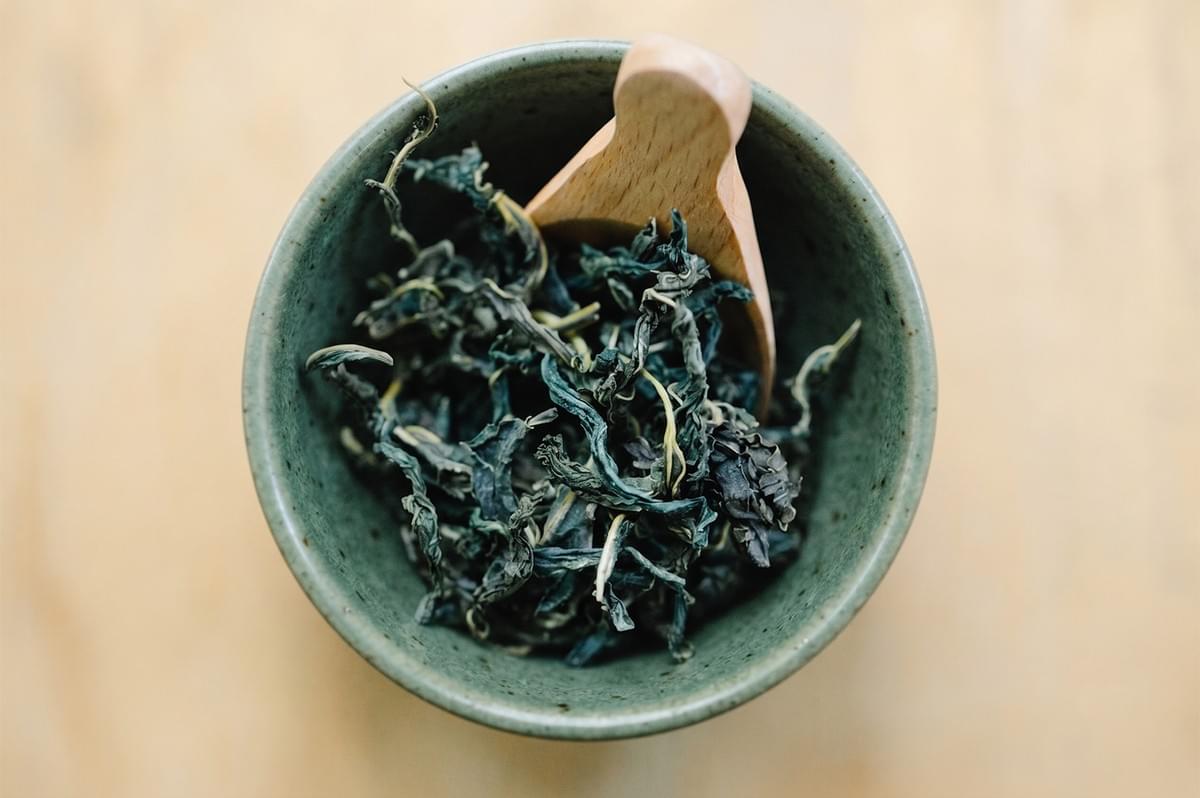
Tie Guan Yin, also known as tieguanyin tea or ti kuan yin, is a celebrated oolong tea cultivated mainly in Anxi, Fujian province, and Taiwan. Named after the iron goddess of mercy—Guan Yin—the tea carries deep cultural significance, tied to legends of an iron statue of Guan Yin appearing to reveal the tea plant in a garden one night. The name "Iron Goddess" reflects both this heritage and the iron statue associated with the legend.
This complex tea spans a wide oxidation range, from lightly oxidized, floral, jade-colored styles to heavily roasted versions with deep amber liquor and nutty, honeyed flavors. The floral tie guan yin style is prized for its delicate aroma of orchids and fresh garden notes, while roasted versions, sometimes called iron buddha or iron guanyin, offer a richer, more robust taste. Family members of this tea style vary, but all share the characteristic rolled tea leaf shape, which unfurls slowly when brewed to release layered aromas.
Red Tea and Black Tea: Understanding Fully Oxidized Teas
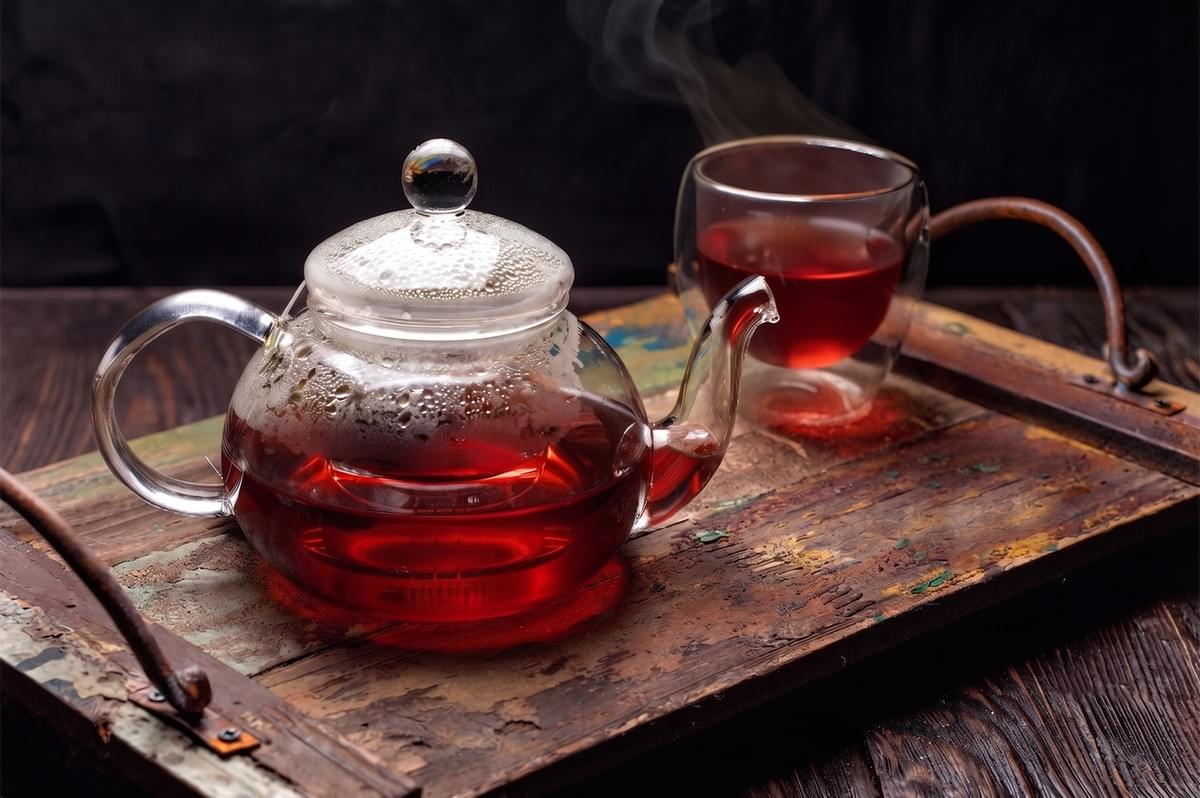
In Chinese tea classification, what the West calls black tea is known as red tea due to its reddish amber colour when brewed. These fully oxidized teas come from tea trees cultivated mainly in regions like Fujian and Yunnan provinces.
Red tea is prized for its robust flavor, higher caffeine content, and the presence of tea polyphenols that contribute to its health benefits. Unlike fermented teas like pu'er, red tea undergoes enzymatic oxidation without microbial fermentation.
Generally, red tea is appreciated for its smooth taste and warming qualities, often enjoyed with a touch of honey to balance its boldness. The cultivation of red tea involves careful plucking and withering, followed by controlled oxidation to develop its signature flavor profile. This tea category includes famous varieties such as Keemun and Dianhong, each reflecting the unique terroir of their growing regions.
Brewing Technique: How to Brew Pu'er, Tie Guan Yin, and Other Teas
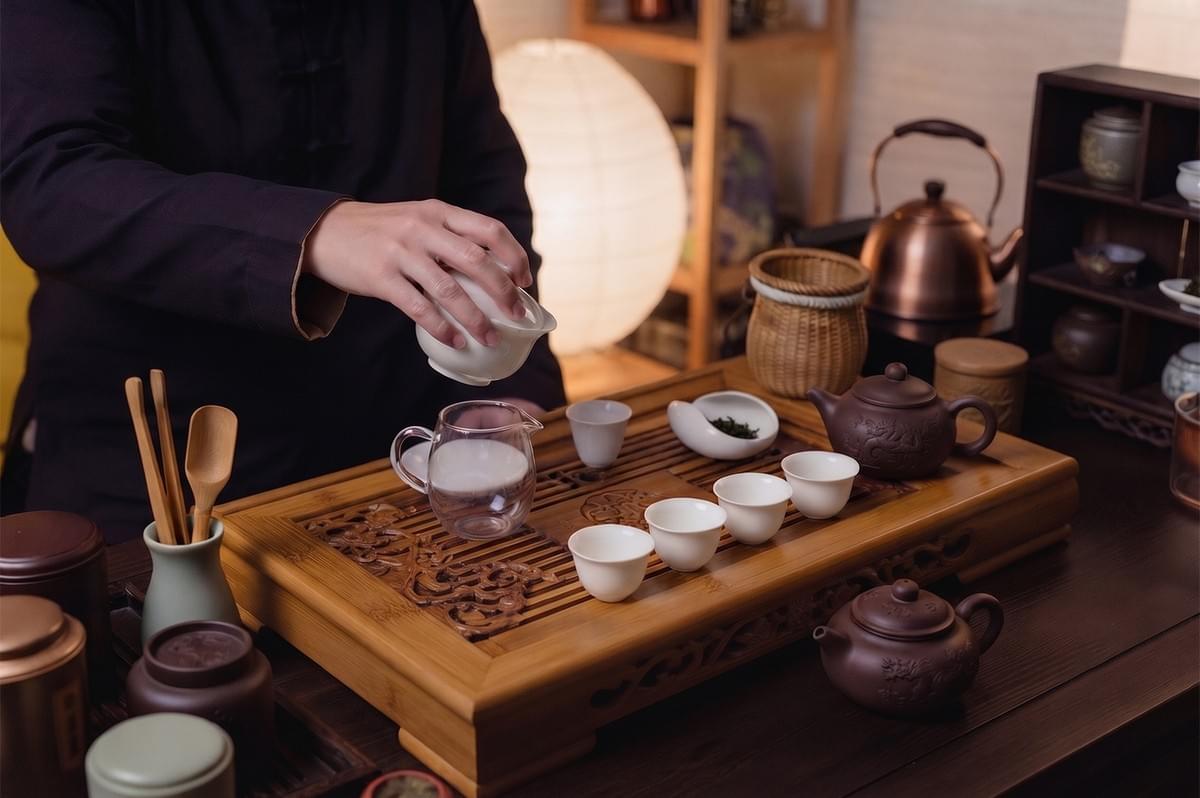
Brewing technique is key to unlocking the best taste from these complex teas. Pu'er tea, whether raw or ripe, benefits from rinsing the tea leaf with hot water before steeping to remove impurities and open up the leaf. Use near-boiling water for pu'er and roasted versions of tie guan yin, while lighter, floral oolongs prefer slightly cooler water around 85–90°C. Steeping times vary: short steeps for oolong teas preserve delicate floral notes; longer steeps bring out the fuller flavor of fermented dark teas.
Loose leaf tea lovers often use the gongfu style, which involves multiple short steeps in a small pot or gaiwan to experience the evolving aroma and taste. Alternatively, a simple mug method works for casual drinkers, though it requires attention to avoid oversteeping and bitterness.
For pu'er tea, understanding its production stages enhances the brewing experience. The initial maocha stage, where leaves are dried but not fermented, sets the foundation. Ripened pu'er undergoes a wet piling process called wò duī, lasting 45 to 60 days, simulating natural aging and producing its characteristic earthy taste.
Tie Guan Yin thrives in Anxi County, Fujian, where the average annual temperature of 15-18°C, ample rainfall, and acidic red soil create ideal conditions for tea cultivation. This terroir imparts the tea's distinctive floral aroma and smooth taste. The tea leaves are rolled into compact pearls that unfurl during infusion, releasing layered fragrances. Tie Guan Yin's diverse roasting levels, from lightly oxidized jade styles to more robust roasted versions, offer a wide flavor spectrum, catering to different palates.
The Cultural Significance of Pu'er and Tie Guan Yin in China and Beyond
Both pu'er tea and tie guan yin carry rich cultural significance in China. Pu'er, with its aged cakes and complex flavor, is often likened to wine, appreciated not just for taste but for its history and connection to tea trees cultivated over centuries. The tea is geographically protected by Chinese regulations, ensuring that only tea produced in specific regions of Yunnan province can be labeled as pu'er, preserving its authenticity and heritage. Tie guan yin, tied to legends of Guan Yin appearing in a garden, embodies spiritual and cultural values, with its name invoking mercy and compassion.
In Singapore, you can find these teas in Chinatown tea shops, tea houses, and Chinese restaurants where they are brewed traditionally. Loose leaf tea is also a popular gift, symbolizing respect and mindfulness. Pu'er tea, especially the raw variety, can be aged for decades, sometimes over 30 years, gaining complexity and character much like fine wine. Ripened pu'er, fermented through a wet piling process lasting 45 to 60 days, offers a mellow, earthy flavor and generally contains higher caffeine levels than aged raw pu'er.
Tie guan yin thrives in the unique terroir of Anxi County, Fujian, where the climate and acidic red soil contribute to its distinctive floral aroma and smooth taste. The tea leaves are rolled into compact pearls that unfurl slowly during brewing, revealing layers of fragrance and flavor. This oolong tea varies widely in roasting levels, from lightly oxidized jade styles with delicate orchid notes to more robust roasted versions with nutty, honeyed flavors, offering a diverse sensory experience.
Both teas are celebrated not only for their flavors but also for their health benefits. Pu'er tea is rich in antioxidants and may aid digestion, support heart health, assist in weight management, and reduce inflammation. Similarly, tie guan yin contains antioxidants and flavonoids that promote cardiovascular health, improve metabolism, enhance cognitive function, and support immune defense.
Choose Your Tea: Matching Taste to Preference
Not sure where to start? Match your taste to what you already enjoy:
- Coffee drinkers who like dark, bold flavors may prefer heavily roasted tie guan yin or ripe pu'er tea.
- Those who enjoy smooth, comforting drinks might find raw pu'er or floral tieguanyin tea appealing.
- Fans of delicate, fresh flavors can explore green tea or lightly oxidized oolong teas like jade tie guan yin.
- If complexity and aftertaste intrigue you, aged pu'er or roasted versions of iron buddha offer a rich, layered experience.
No matter your choice, these teas offer a journey through the tea plant’s diverse expressions, from fresh garden aromas to earthy, fermented depths.
One Cup is Enough to Start
You don't need to understand everything before you begin. Just brew a cup, savor the aroma and flavor, and let the tea teach you slowly. Walk into a tea shop, ask for a sample of pu'er tea or tie guan yin, and enjoy the moment. The cultural significance, the craftsmanship, and the unique taste of these teas await your discovery.
Explore more underrated places to eat and drink at Tasteourtraditions.com
