
There's a moment at the dessert stall that I find hard to resist watching. A block of ice goes into a shaved ice machine, the blade starts to whir, and a soft white mound begins to grow in the bowl. Then the colors arrive: a streak of rose red, a splash of green, a drizzle of gula melaka syrup, and a slow ribbon of evaporated milk sliding down the sides. In under a minute, a plain cup of ice becomes a small, slightly wobbly mountain, already beading with melt in the afternoon heat.
Ice kacang is so familiar in Singapore that we hardly notice it anymore. Also called ice kachang or ais kacang, this Malaysian shaved ice dessert is just there, between the sugarcane juice and the chendol, quietly waiting for the next hot, sticky afternoon. I've been curious about its history: why such a simple dessert has lasted so long, and why it still feels like a treat.
Air Batu Campur: The History of Ais Kacang
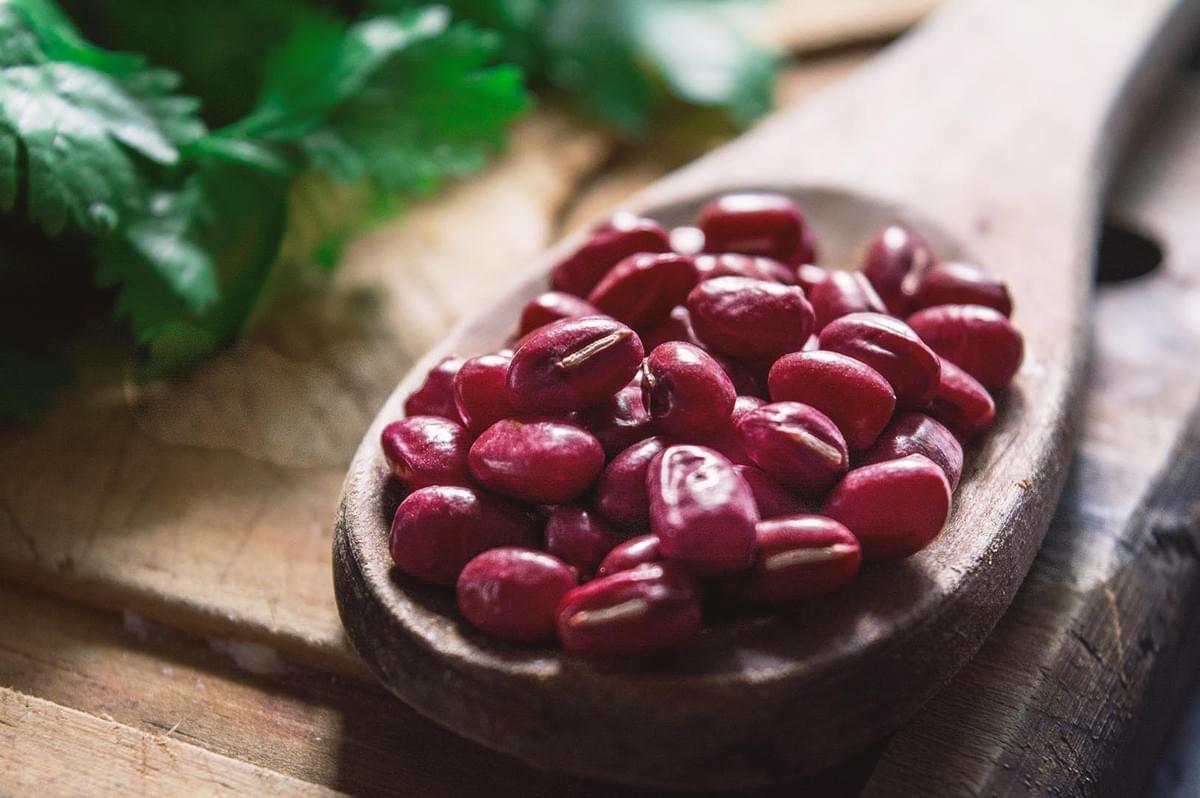
I like starting with the name. “Kachang” is the Malay word for beans, so ice kacang simply means “bean ice.” That name points back to the dessert's humble roots. Early versions were originally plain: shaved ice and sweet red beans, nothing fancy.
You'll also hear it called ABC, short for air batu campur, which means “mixed ice.” I find that name almost more honest. Ice kacang has always been about mixing, collecting a little of this and a little of that until the bowl feels generous.
How Ice Kachang Evolved
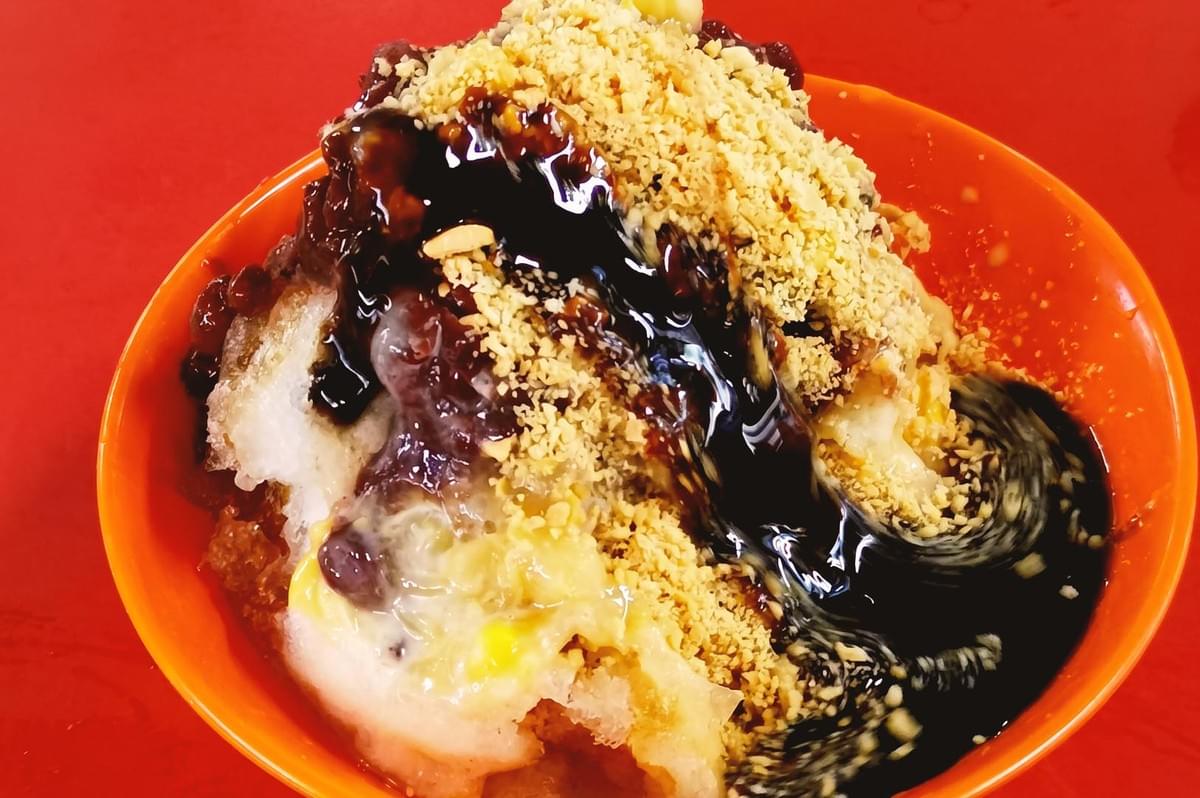
Over the years, that modest bowl picked up company. Red beans were joined by sweet corn, grass jelly, attap chee, jelly cubes, and sometimes roasted peanuts. Bright syrups turned the mound into the rainbow mountain we know today. The way the ice is made changed too. Hand-cranked shavers have largely given way to an electric shaved ice machine, though the goal stayed the same: ice fine enough to soak up syrup without turning into a puddle.
More recently, some stalls have added toppings like durian, mango, other fruits, or a scoop of ice cream. Whether that counts as progress or pushing it lah, I'll let you decide. To me, it shows the dessert is still alive and changing, not frozen in a museum case. Different Asian countries, including Indonesia, have their own versions of shaved ice, each with distinctive toppings and flavors.
What Makes a Bowl of Shaved Ice Worth Finishing
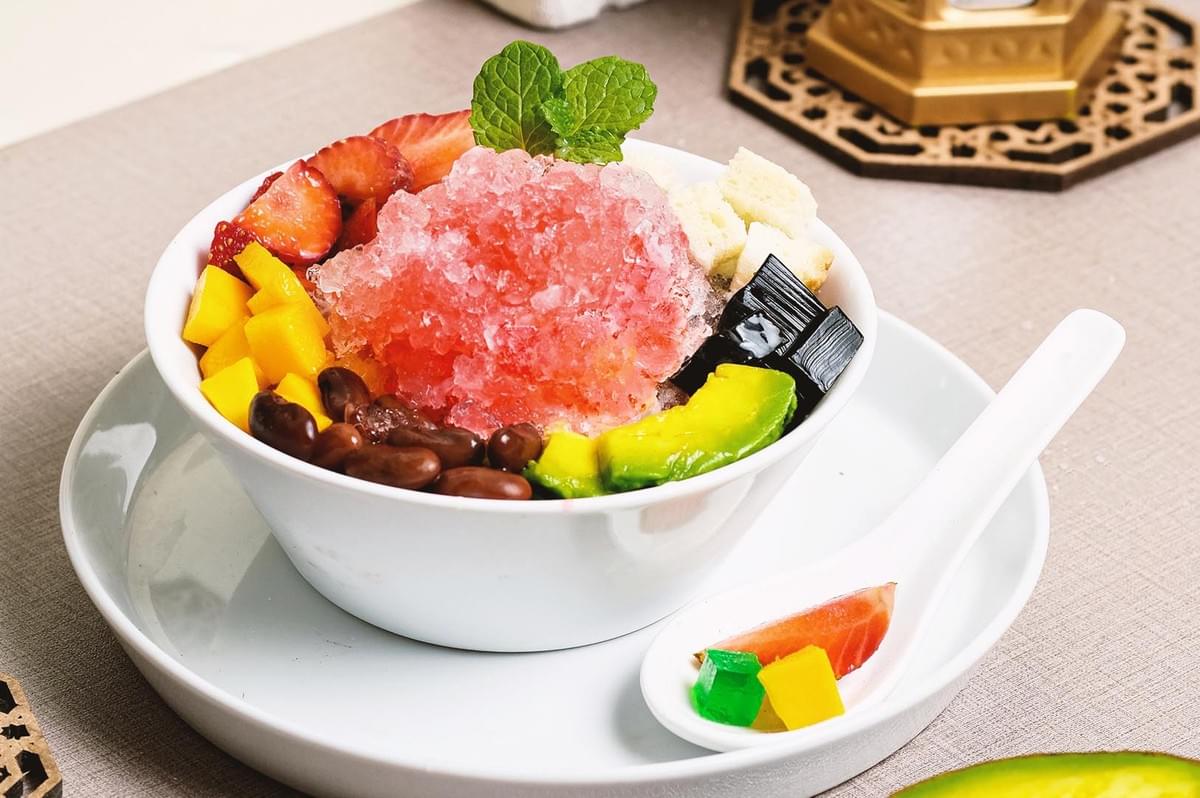
Ice kacang looks simple, but a good bowl takes judgment. When I think about what separates a forgettable bowl from a satisfying one, a few things stand out. The ingredients may vary from stall to stall, but all the ingredients should work together in taste and texture.
The Ice Comes First
Everything rests on the ice. When it's shaved finely, it's fluffy and almost snow-like, so the syrups seep through instead of sliding straight to the bottom. Coarse, crunchy ice feels more like chewing on a cooler box. The shape matters too. A well-packed mound holds together long enough for you to work your way down without a sudden landslide onto the table. Some people use a blender at home to prepare shaved ice, though a machine usually gives it a finer texture.
Syrup in Balance
The syrups give ice kacang its personality. Rose syrup brings a floral sweetness. Gula melaka syrup adds deep, smoky caramel notes, while green syrup, sometimes pandan syrup, can lend a fragrant, grassy sweetness. Evaporated milk softens everything with a creamy richness; some versions use condensed milk for extra sweetness. The trick is balance. Too much syrup and the bowl turns cloying by the third spoonful. Too little and you're just eating cold, sad ice. The best bowls taste sweet, bright, and a little milky, in about equal measure.
The Treasure at the Bottom
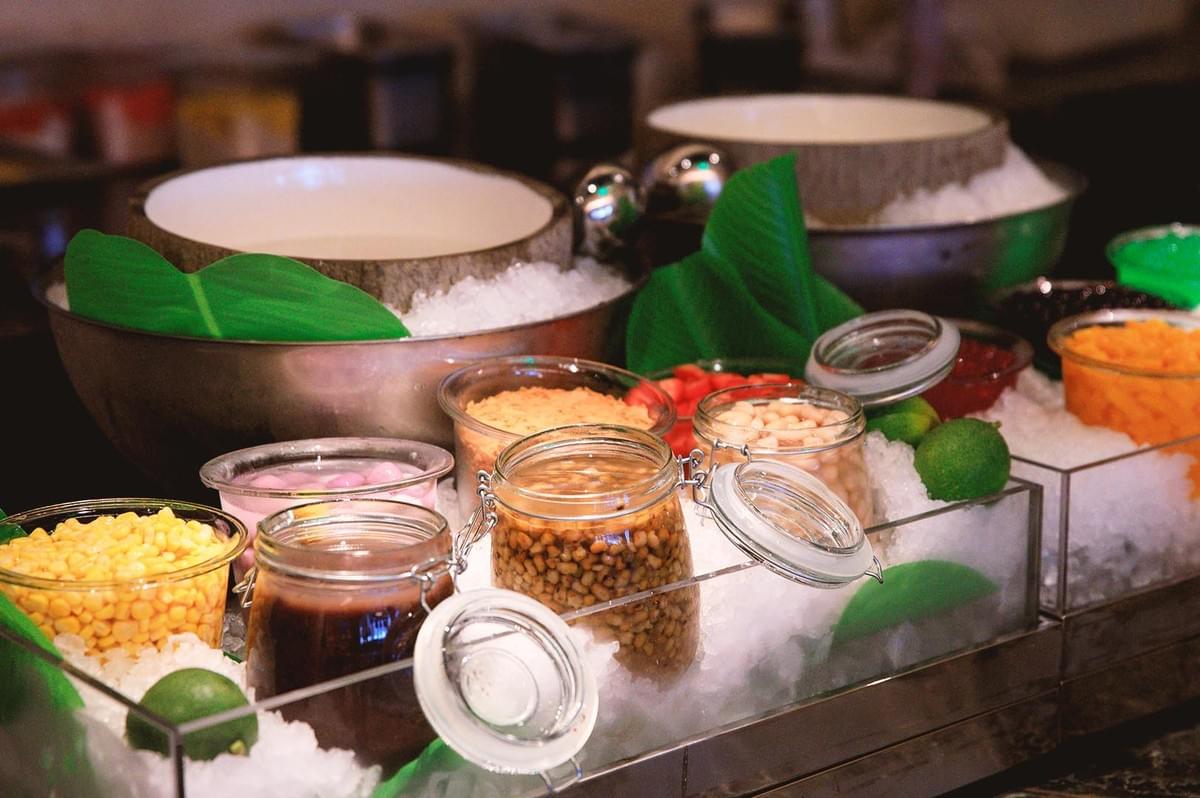
Then there's the treasure hunt. Here's what you might dig up as the mountain melts:
- Red beans, soft and earthy, the original heart of the dish
- Sweet corn, with little juicy pops of sweetness
- Grass jelly, cool, slippery, and faintly herbal
- Attap chee, translucent palm seeds with their chewy, jelly-like bite
- Cendol, which some versions may include as strands
- Jelly cubes, bright and bouncy, often a kid's favorite
- Chopped nuts, for a little crunch
Part of the fun is that every spoonful is a little different. One bite is all creamy ice, the next is a cluster of beans and attap chee. I think that sense of discovery is a big reason people keep coming back.
Ais Kacang Recipe: Making It at Home
There isn't one definitive ais kacang recipe, but the basic idea is easy to recreate. Traditional ice kacang layers sweet toppings beneath the shaved ice. Sweeten red beans and arrange them with grass jelly, corn, and any other toppings you like in a bowl. To make a simple syrup, dissolve sugar and water in a saucepan over medium heat, then let it cool. If you're making gula melaka syrup, stir the palm sugar with water until dissolved. Add shaved ice on top, drizzle with syrups and milk, and serve immediately before the mound melts. It's a flexible recipe, so adjust the toppings to taste.
A Hawker-Centre Shaved-Ice Classic
Ice kacang belongs to the hawker center. It suits the plastic stools, the whirring ceiling fans, and the clatter of trays around you. It's not a dessert you dress up for. You just order, find a seat, and race the heat before your mountain collapses. In Malaysia, too, this familiar dessert is enjoyed at hawker stalls and food centers.
Upper Boon Keng Market
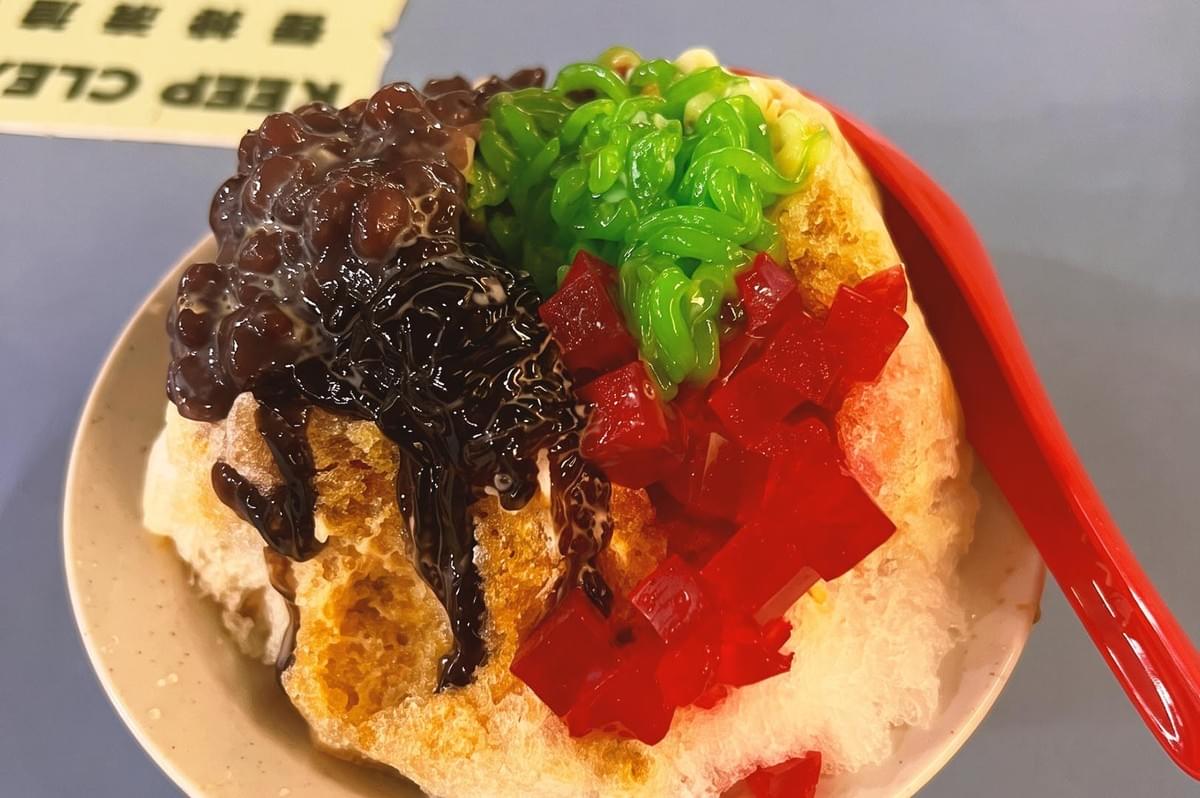
One place where ice kacang is served is at Upper Boon Keng Market, 17 Upper Boon Keng Road. It's a neighborhood market and food center, the kind of place where regulars drop by between errands. I love that ice kacang shows up in spots like this, woven into ordinary routines instead of saved for special trips. Stall names, prices, and opening hours change over time, so check the latest details before you head down.
Chinatown Complex Food Centre
Ice kacang is also served at 335 Smith Street, home to Chinatown Complex Food Centre. With so many stalls packed under one roof, it's easy to picture a rainbow bowl as the cool finish to a hearty meal. Here too, I'd confirm the exact stall and its hours before you go, since hawker details shift more often than we expect.
If you’re exploring more hawker-centre favourites, our ABC Brickworks Market & Food Centre guide highlights Michelin-recognised stalls and local dishes worth seeking out
Why Ais Kacang Still Hits
So why does a bowl of sweetened ice still mean so much to Singaporeans?
Part of the answer is obvious. Our weather is relentless, and few things feel better than a spoonful of cold, syrupy ice when the afternoon sun is pressing down. But I think there's more to it than temperature.
Ice kacang is affordable, unfussy, and shared across communities. Its name is Malay, its toppings borrow from many kitchens, and it's sold at hawker centers everywhere. In that way, it reflects something about Singapore itself: different pieces coming together in one bowl, each one keeping its own flavor.
It's also tied to memory for a lot of people. A rainbow mountain is hard to forget, especially if you first saw one as a child, eyes wide as the syrup trickled down. I wonder how many of us still order it partly to taste that feeling again. Even a recipe developer or cookbook author might find that the dessert's appeal lies in this blend of texture, color, and nostalgia.
And I'm curious about the future. Will younger hawkers keep the old shavers humming? Will new toppings win over a new generation, or will the classic bowl hold its ground? I suspect the answer depends less on the hawkers and more on us, and whether we keep showing up.
Take a Spoon and Dig In
The next time you're at a hawker center and the heat starts to win, skip the bubble tea and walk over to the dessert stall. Watch the ice pile up. Notice the colors as they bleed into each other. Then take your time with it, hunting for the attap chee and the last few red beans before the whole thing melts.
Have you found a favorite bowl of ice kacang? Is it a stall you've visited for years, or one you've only just found? Share it with a friend, bring someone who has never had one, and help keep this rainbow mountain standing for a long time yet. If you try the home recipe, leave a comment and rating on the post; you could even vote for your favorite topping.
Discover more hawker gems and traditional dishes at Taste Our Traditions.
