
There is something about a bowl of milky white fish soup that makes Singaporeans feel instantly at home. Maybe it is the steam rising from the bowl, the gentle sweetness of the fish, or that rich, comforting broth that seems to settle everything after a long day. Whether you are eating at a neighbourhood hawker centre or sitting down for dinner with family, good fish soup has a way of making the simplest meal feel special.
But have you ever wondered why some fish soups are white? Most of us probably do not think too much about it, assuming someone added evaporated milk to achieve that creamy appearance. Fair enough lah, because plenty of fish soup stalls in Singapore do offer milk as an addition, but that is not the only way to create a rich, cloudy broth.
In Hup Lok at 725 Havelock Road**, the answer comes from something much more fundamental: fish bones. The restaurant's Grandpa's Pomfret Soup demonstrates how traditional broth preparation can produce a rich, white soup without relying on milk. And once you understand what goes into that bowl, you might start looking at your next fish soup a little differently.
So, What Actually Makes Fish Soup White?
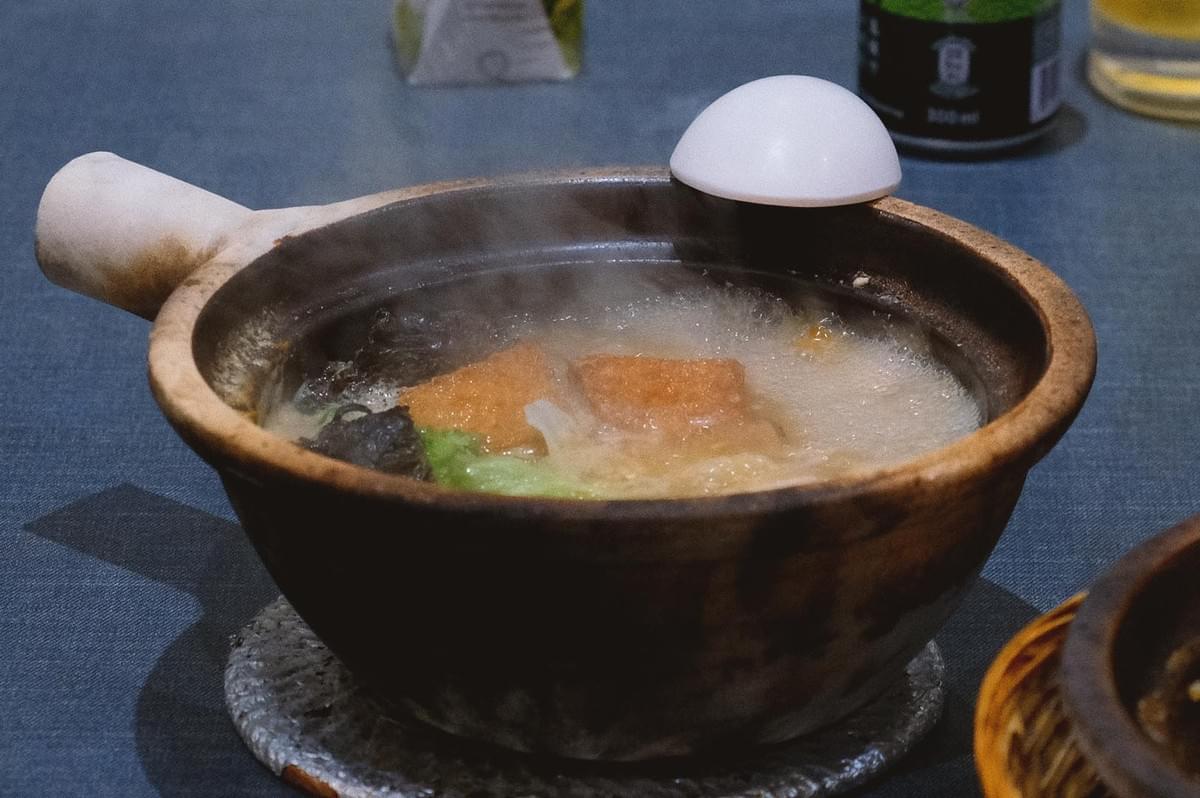
The interesting thing about fish soup is that some of its most important ingredients are the parts we rarely pay attention to. Fish bones, for example, might seem like something to discard after preparing the fish. But in traditional broth-making, they are valuable ingredients that help develop flavour and body.
At Hup Lok, the white broth behind Grandpa's Pomfret Soup is built using batang fish bones and dried sole, also known as tee poh. As the bones cook, they release collagen, which contributes to the broth's body as it converts into gelatin. The cloudy appearance comes from the cooking process, particularly the emulsification of fats into the liquid, rather than from adding evaporated milk.
Quite interesting, hor? The broth looks creamy, but its character comes from seafood and the work done in the kitchen. Dried sole adds another layer of savoury depth, an ingredient familiar to many traditional Chinese kitchens where dried seafood is used to strengthen the flavour of soups and stocks.
Together, the bones and dried sole create the foundation for a soup that does not need milk to develop richness. Of course, there is nothing inherently wrong with adding milk to fish soup, especially when some Singaporeans enjoy that extra creaminess. But Hup Lok's approach reminds us that a satisfying bowl can begin with careful preparation rather than additional ingredients.
Three Generations Before the First Bowl
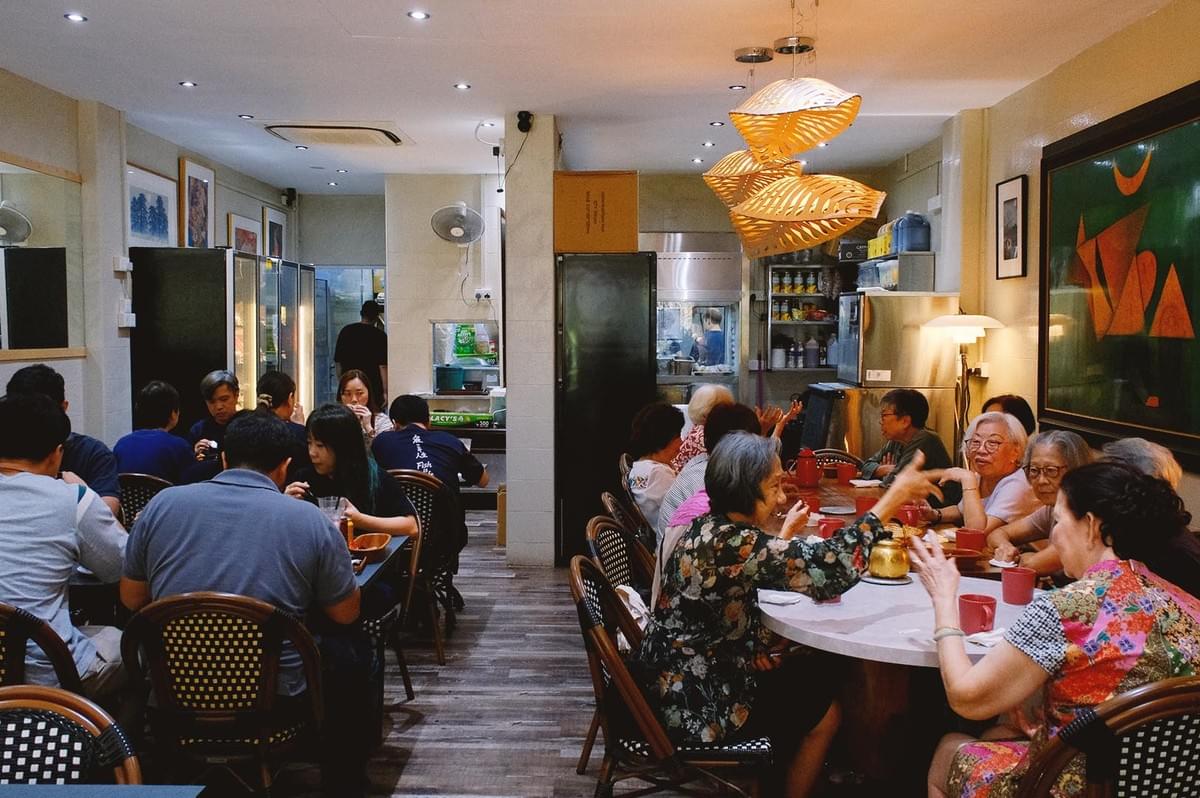
What makes Hup Lok's approach particularly interesting is the family history sitting behind it. The restaurant might be relatively new, but the people behind it have been connected to Singapore's seafood trade for three generations. The founder's father once sold fish at Hup Seng Huat market before hawking seafood around the River Valley area.
That working life eventually led to Hai Sia Seafood at Jurong Fishery Port, where the family built its experience in the wholesale seafood business. Today, the family remains involved in buying fish at dawn, continuing a trade that existed long before the restaurant opened. It is a connection that explains why Hup Lok places so much importance on understanding seafood before it even reaches the kitchen.
Now, you might wonder what any of this has to do with a bowl of soup. Quite a lot, actually, because good fish soup does not begin when someone switches on the stove. It begins with understanding which fish to buy, how seafood should be handled, and how different parts contribute to the final dish.
That knowledge is what Hup Lok brings from the fish trade into its kitchen. Grandpa's Pomfret Soup is named in honour of the founder's father, making it more than just another seafood dish on the menu. The whole pomfret takes centre stage, while the white broth reflects the restaurant's emphasis on extracting flavour from fish bones.
There is something meaningful about that connection, especially when we think about how Singapore's food traditions are preserved. The family did not simply pass down an unchanged soup recipe through generations. Instead, years of working with seafood helped shape how the restaurant understands its ingredients, proving that culinary heritage can also exist through knowledge and experience.
Why the Broth Matters More Than We Think
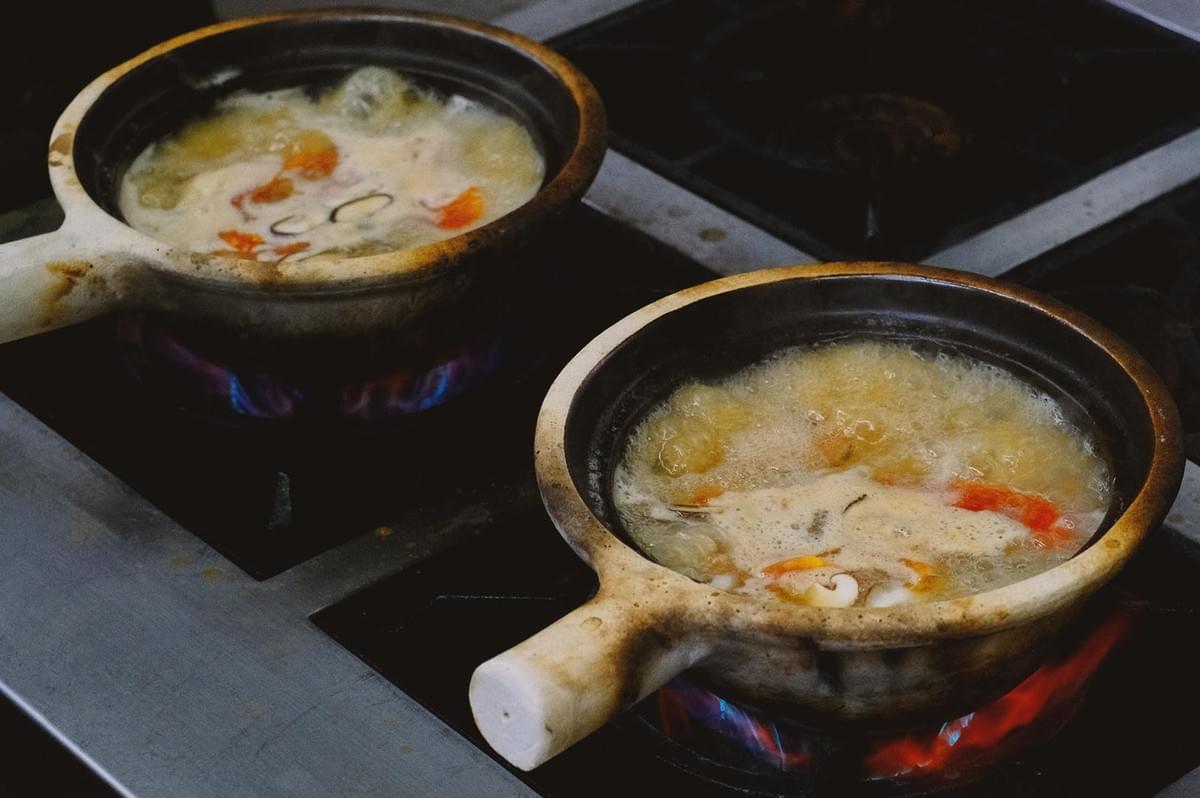
Singapore has no shortage of comforting seafood dishes, from sliced fish soup and fish head bee hoon to prawn noodles and seafood pao fan. Our food culture has always understood the importance of a good stock, even when the finished dish looks relatively simple. Think about your favourite bowl of prawn mee, where even generous prawns and perfectly cooked noodles would not feel quite the same without that deeply flavoured broth.
Fish soup works similarly, with the stock providing much of the dish's character. At Hup Lok, the broth is not simply something poured around the pomfret but a substantial part of the meal itself. Its richness develops through ingredients and preparation that might otherwise go unnoticed when the finished bowl arrives at the table.
The restaurant's wider menu follows a similar appreciation for seafood, with Signature Prawn Noodles, Claypot Hokkien Mee, Alaskan King Crab Bee Hoon and Seafood Pao Fan offering different expressions of familiar Singaporean comfort food. These are dishes most local diners would recognise, built around noodles, rice, seafood and the satisfaction of a well-prepared stock. Yet Grandpa's Pomfret Soup remains the clearest expression of what makes Hup Lok interesting, bringing together the family's seafood knowledge and the kitchen's attention to broth preparation.
We often talk about Singapore's food heritage as though it lives only in old recipes and famous hawker stalls. Yet sometimes, tradition is found in something less obvious, like knowing what to do with fish bones, understanding how to build a stock, or recognising why one fish belongs in a particular dish. These are skills developed through experience, and they deserve just as much appreciation as the recipes themselves.
The next time you see a bowl of cloudy fish soup, perhaps take a closer look before assuming there is milk inside. Sometimes, the secret to a comforting fish soup for seafood lovers in Singapore is not what the cook adds, but what they know how to bring out of the ingredients. And when that knowledge has been shaped by three generations of working with fish, even something as familiar as pomfret soup can carry a story worth remembering.
