
A hand using chopsticks lifts noodles from a plate of char kway teow, featuring prawns, Chinese sausage, green onions, and bean sprouts.
There is a very specific moment when you step into a Singapore hawker centre, the birthplace of the iconic char kway teow singapore dish. Before you even see the bright neon signboards or hear the uncles shouting orders, the smell hits you. It is a thick, intoxicating cloud of garlic, sizzling pork lard, and caramelized dark sweet soy sauce.
Every time I catch a whiff of that smoky aroma, my stomach gives a little rumble. You know exactly what I am talking about, right? That is the unmistakable breath of the wok, the wok hei flavour that defines a master frying up a fresh, hot plate of char kway teow.
The Best Char Kway Teow: Understanding Wok Hei and the Perfect Stir Fry
If you break down char kway teow to its bare bones, it sounds almost too simple. You have your flat rice noodles (kway teow) and usually some yellow wheat noodles (teow mee) thrown in for a mix of textures. Then comes the supporting cast: slices of savory Chinese sausage (lap cheong), fish cake, egg, crunchy bean sprouts, and fresh chives.
But throwing these ingredients into a wok does not magically give you a good dish. The real secret lies in the fat and the fire. A traditional plate relies heavily on crispy pork lard. Biting into a tiny, golden nugget of fried lard hidden among the soft noodles is absolutely sweet. It releases a burst of savory richness that coats your whole mouth. Sure, it is a bit of a calorie bomb, but honestly, if you are eating char kway teow, you are not counting calories anyway. It’s a well-deserved treat, and trust me, it is damn worth it.
The Breath of the Wok: What Makes Good Wok Hei?
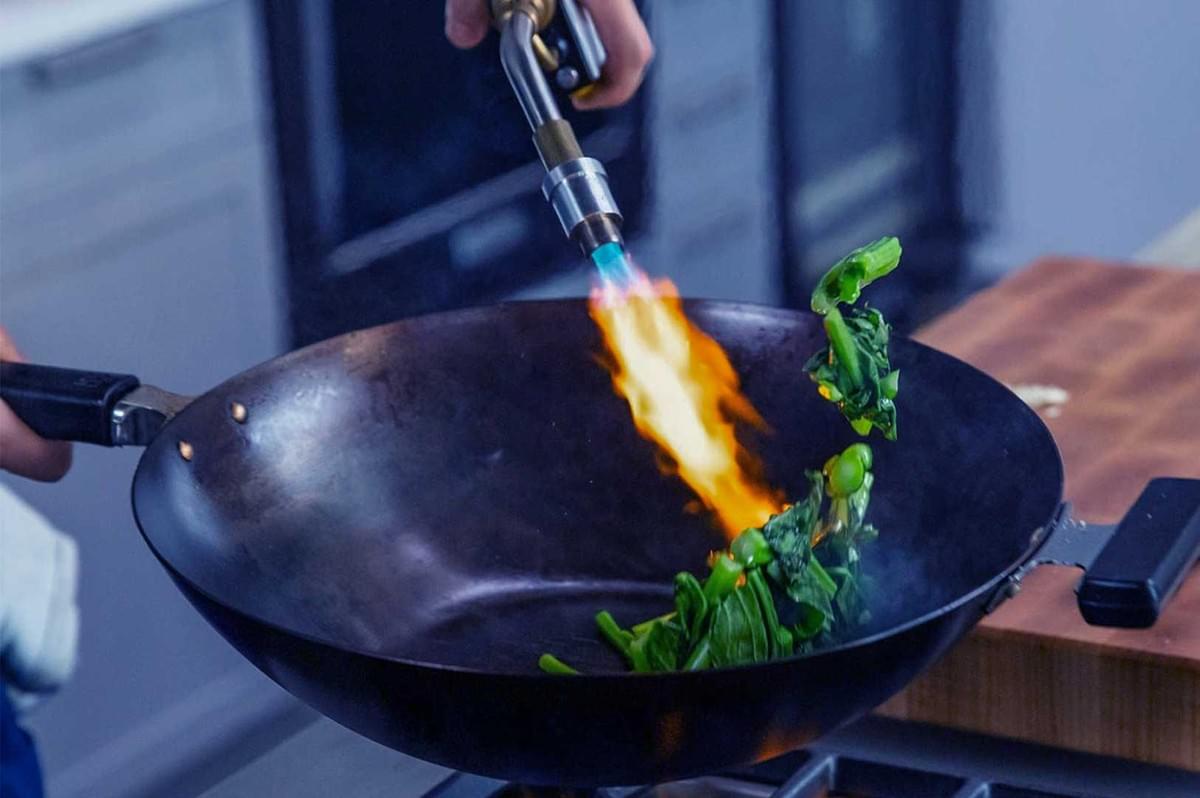
You cannot talk about char kway teow without talking about wok hei. Pronounced ‘wok hey’, it literally means the breath of the wok. Imagine a massive cast-iron wok sitting over roaring flames. The chef tosses the noodles high into the air. As the noodles catch the intense heat, microscopic droplets of oil vaporize and catch fire for just a fraction of a second.
This incredibly high heat sears the surface of the noodles and caramelizes the dark soy sauce instantly. It creates a complex, smoky, almost charred flavour that you simply cannot replicate on a standard home stove.
A well-seasoned wok develops a patina, a hardened layer of polymerized fats—that prevents sticking and adds to the depth of wok hei flavour. Achieving wok hei requires not only intense heat but also skillful tossing to avoid crowding, which would cause the food to steam rather than fry.
Without good wok hei, your noodles are just wet and sad. With wok hei flavour, the dish comes alive. It is the defining line between an amateur cook and a true hawker legend.
The Famous Hill Street and Other Michelin Guide-Worthy Stalls
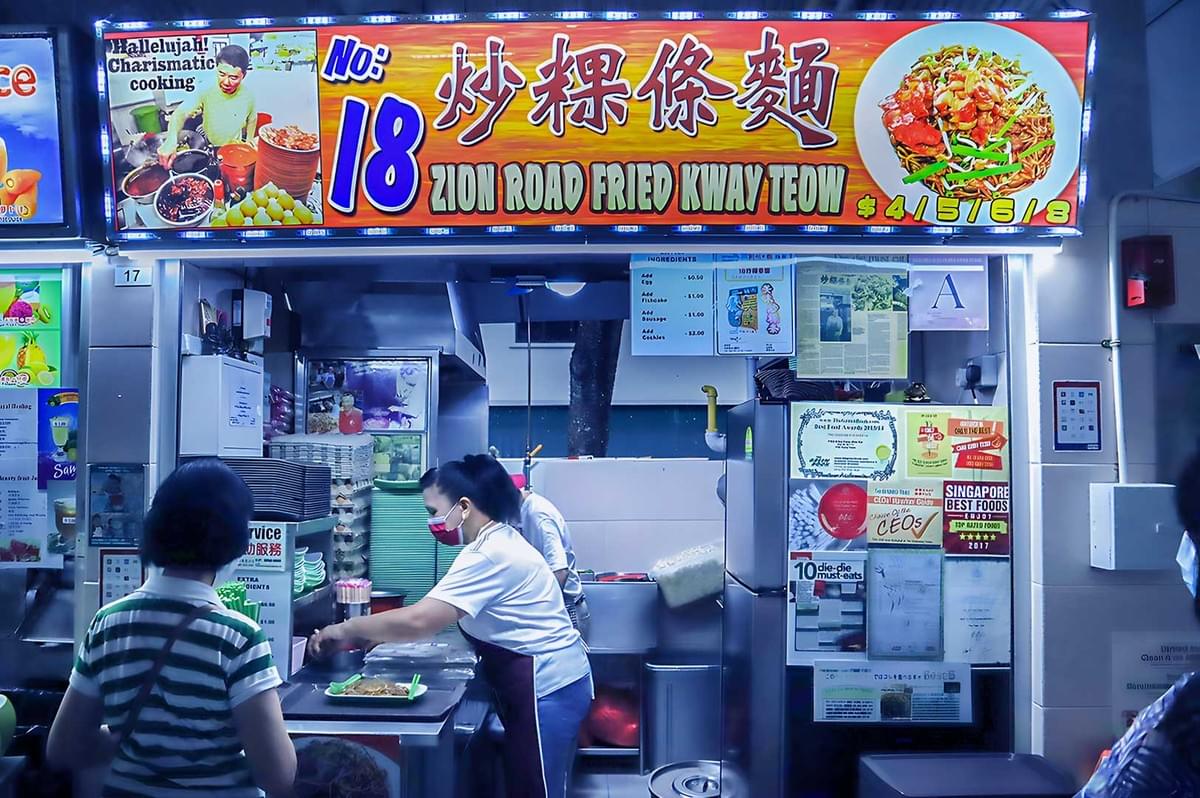
Finding the best char kway teow in Singapore often means visiting famous hawker centres like Hill Street, Zion Road Riverside Food Centre, and Outram Park. These stalls are renowned for their generous portions, plump cockles, and that unmistakable wok hei.
Hill Street Fried Kway Teow, widely recognized and recommended by the Michelin Guide, is known for its tasty noodles served in portions of $4 or $5 with generous ingredients. Outram Park Fried Kway Teow, another Michelin-recommended stall, is famous for its silky texture and rich flavour, often selling out before lunchtime ends. No. 18 Zion Road Fried Kway Teow is among the most recognized char kway stalls in Singapore, with long queues that speak to its popularity and quality. Meng Kee Fried Kway Teow is considered by many as serving the best plate, while Ang Mo Kio Fried Kway Teow is celebrated for its springy texture and balanced wok hei flavour.
Dive more into Hill Street hawker stalls and food by clicking and visiting Hill Street Tai Hwa Pork Noodle: Why This Michelin-Starred Hawker Stall Still Draws Crowds Daily
Arriving early is key to beating the crowd, as these famous stalls often have long queues. When you finally get your plate, you are greeted with the hot, smoky aroma and the satisfying sizzle of fresh cooking.
The Perfect Plate: Balancing Ingredients and Texture
A good plate of char kway teow is all about balance. The noodles should be cooked al dente with a slightly chewy texture, not a tad dry or bland. The bean sprouts add a fresh crunch, while the slices of lap cheong and fish cake bring bursts of flavour. The egg binds everything together with a creamy texture, and the pork lard adds that generous bite of richness.
Cockles, or "hum," are a divisive ingredient but essential for many locals. When fresh and plump, they add a briny punch that cuts through the sweetness of the soy sauce and the richness of the lard. The chilli adds a spicy heat that elevates the entire meal without overpowering the other flavours.
A well-seasoned balance of salt and sweetness from the soy sauces is crucial to bring out the full flavour without making the dish too salty or sweet.
Cooking Char Kway Teow at Home: Tips for That Wok Hei Magic
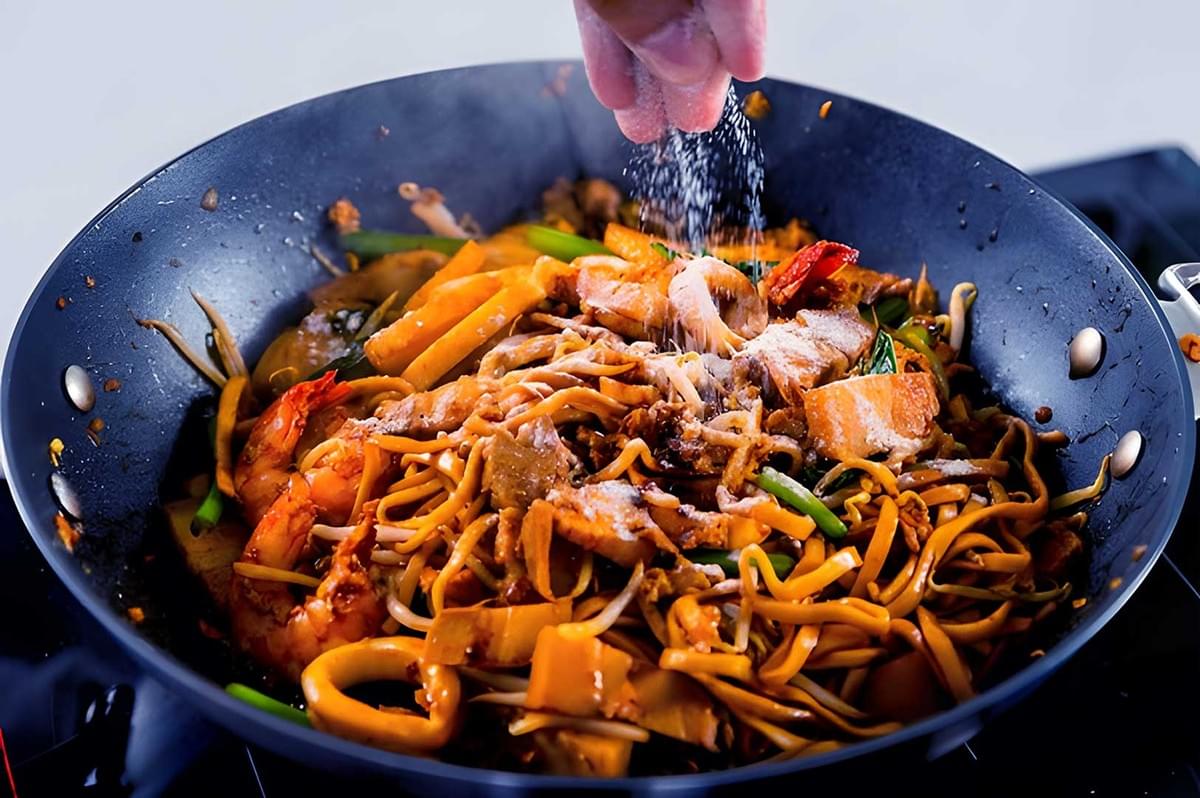
If you want to try making ckt at home, here are some tips to help you get closer to that hawker stall wok hei:
- Use a traditional cast iron wok seasoned with oil or pork fat to build up a patina that prevents sticking and adds flavour.
- Heat the wok until it just begins to smoke before adding cold oil.
- Avoid overcrowding the wok; cook in small batches to maintain high heat and prevent steaming.
- Toss the ingredients continuously to ensure even cooking and maximum caramelization.
- Use a balanced combination of sweet dark soy sauce, light soy sauce, and fish sauce for authentic flavour.
- Include essential ingredients like fried eggs, fresh cockles, lap cheong, and crunchy bean sprouts for texture and taste.
While it’s challenging to replicate the intense heat of commercial woks at home, following these steps can bring you closer to that smoky, charred wok hei flavour.
Variations and Modern Twists on Char Kway Teow
Char kway teow comes in many styles. Some stalls serve a wet, creamy, and heavily sauced version, while others prefer a drier, crisper plate. Halal versions exclude pork lard and sausages, often substituting them with beef or chicken.
Modern hawkers have introduced healthier adaptations, reducing oil and fat content but striving to maintain flavour. Fusion versions, like mala char kway teow or crab meat variations, have also emerged, adding exciting new dimensions to this classic dish.
Liang Ji Legendary Char Kway Teow, for example, offers a unique "Humful" version overflowing with blood cockles, showing how traditional dishes can evolve while honoring their roots.
The Char Kway Teow Experience: More Than Just a Meal
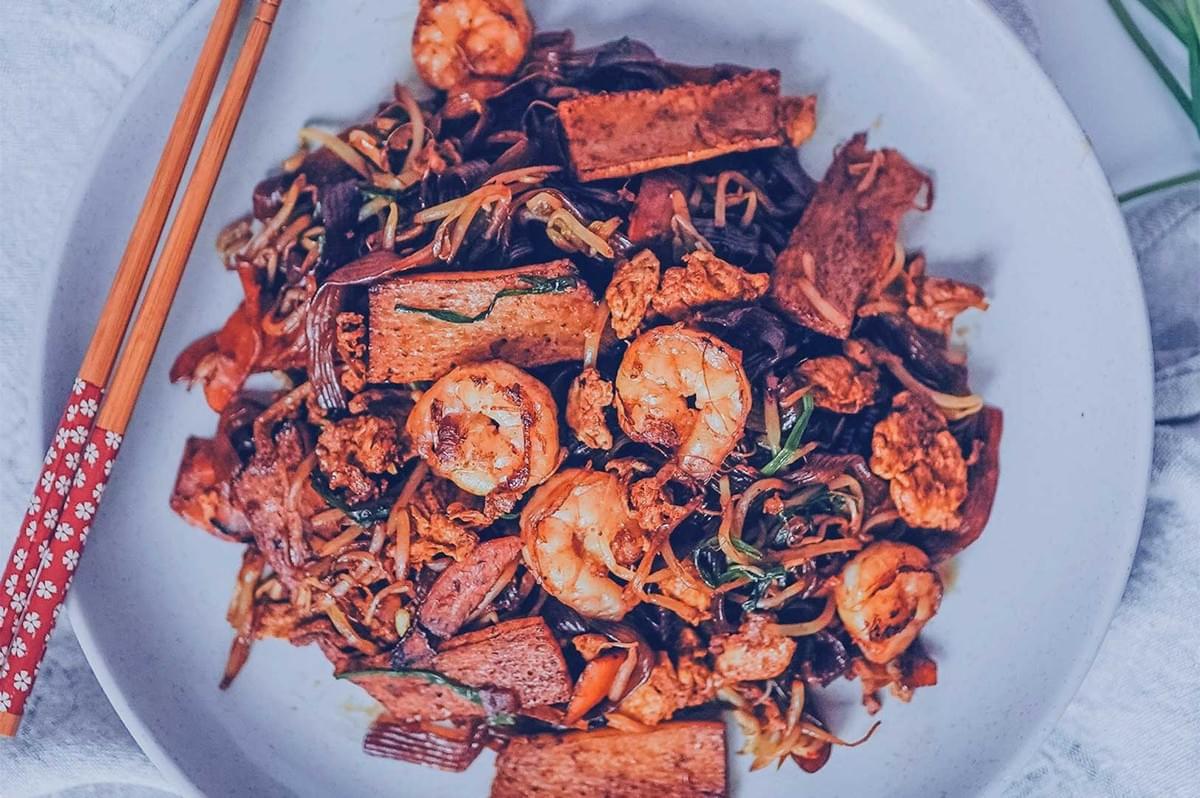
Char kway teow is a beautiful reflection of Singapore’s hawker culture. It takes humble ingredients and elevates them through skill, heat, and fire into something extraordinary. The smell of smoky soy sauce, the sound of flames licking the wok, and the sight of generous portions being served on plates create an experience that locals cherish.
Whether you are waiting in line at a famous stall or grabbing a quick meal at a neighbourhood hawker centre, the magic of char kway teow singapore is in every bite. So next time you decide what to eat, skip the air-conditioned cafes and head to your nearest hawker centre. Grab a plate of char kway teow, enjoy the wok hei flavour, and savor the taste of Singapore.
Bojio? Consider yourself invited! Post your recommendations below and share where your favourite stall sells the best char kway teow. I am always impressed by new finds and would love to hear your stories.
