
You know that moment when you walk into a hawker centre and certain smells just grab you? The sweet smoke from satay stalls, sure. The fragrant heat of chili crab, absolutely. But there’s this one smell—earthy, deep, almost caramelized—that stops me in my tracks every time. It’s claypot rice cooking over charcoal, and honestly, it’s one of those scents that makes your stomach growl before your brain even processes what’s happening. Claypot rice is an iconic dish in Singapore, celebrated for its robust smoky flavor known as wok hei, achieved through the authentic way of cooking over charcoal.
Introduction to Claypot Rice
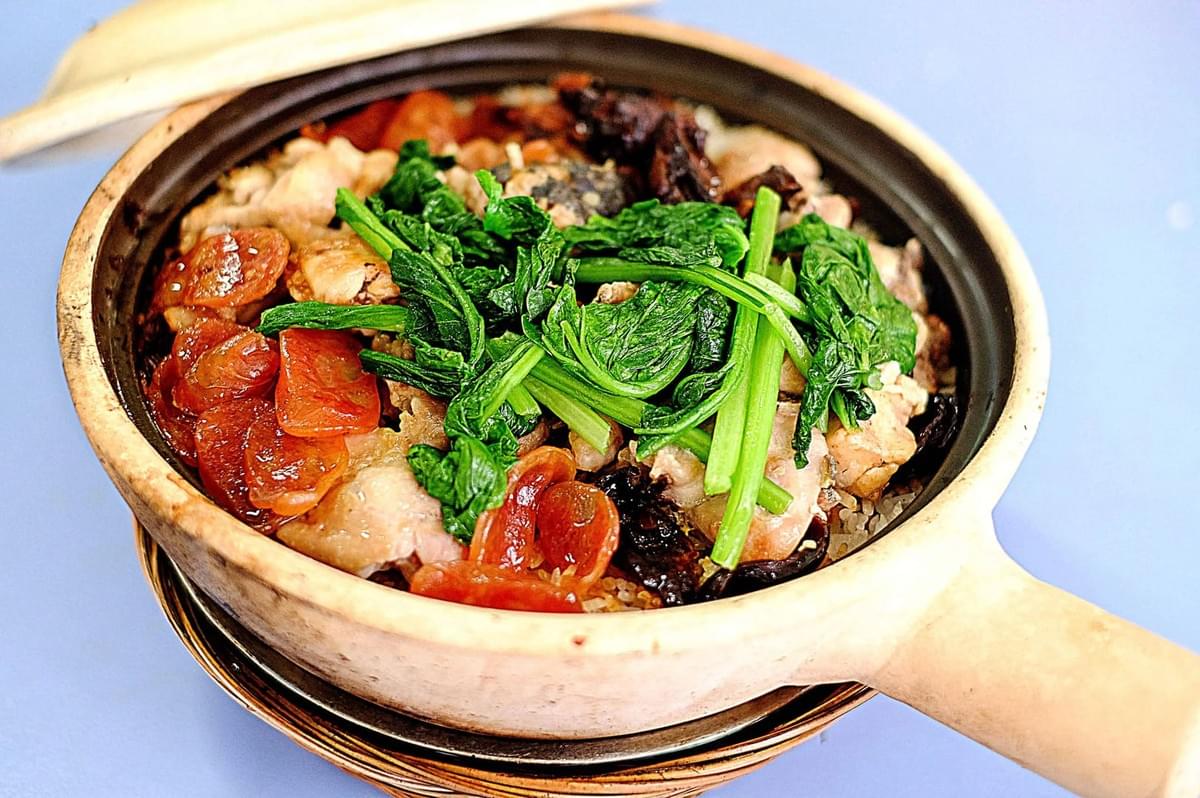
You know that moment when you're wandering through a hawker centre and something just smells right? That's probably claypot rice calling. This is comfort food that doesn't mess around—each pot gets cooked fresh, so you're always getting that perfect guo ba, the crispy layer that forms at the bottom. It's the kind of thing where the uncle will tap the side of the claypot with his spoon, letting you hear that satisfying crackle. What gets me is how the rice just drinks up everything—the chicken, the salted fish, all those good flavors sitting on top. Ben Ji Claypot Rice, New Lucky, He Ben Ji—honestly, you can't go wrong at any of these spots. Each one's got that same magic happening: crispy meets fluffy, smoky meets savory.
History and Cultural Significance
You know how some dishes just feel like home the moment you taste them? Claypot rice is one of those. It started way back in Guangdong province, where cooking over clay and charcoal wasn't fancy — it was just how things were done. When those early immigrants packed up their lives for Singapore, they brought this simple, beautiful tradition with them. And honestly, it couldn't have found a better second home. The local food scene here? It embraced claypot rice like an old friend, and over the years, it's picked up all these wonderful local touches that make it uniquely ours.
These days, when you order claypot chicken rice, you're getting so much more than dinner. You're joining this lovely thread of Singapore's story — all our different cultures coming together over one steaming pot. I love watching people at places like Yew Chuan along Golden Mile or Geylang Claypot Rice on Beach Road. There's something special about that moment when everyone leans in to mix and serve from the same claypot.
Traditional Claypot Rice: The Art of Crispy Rice
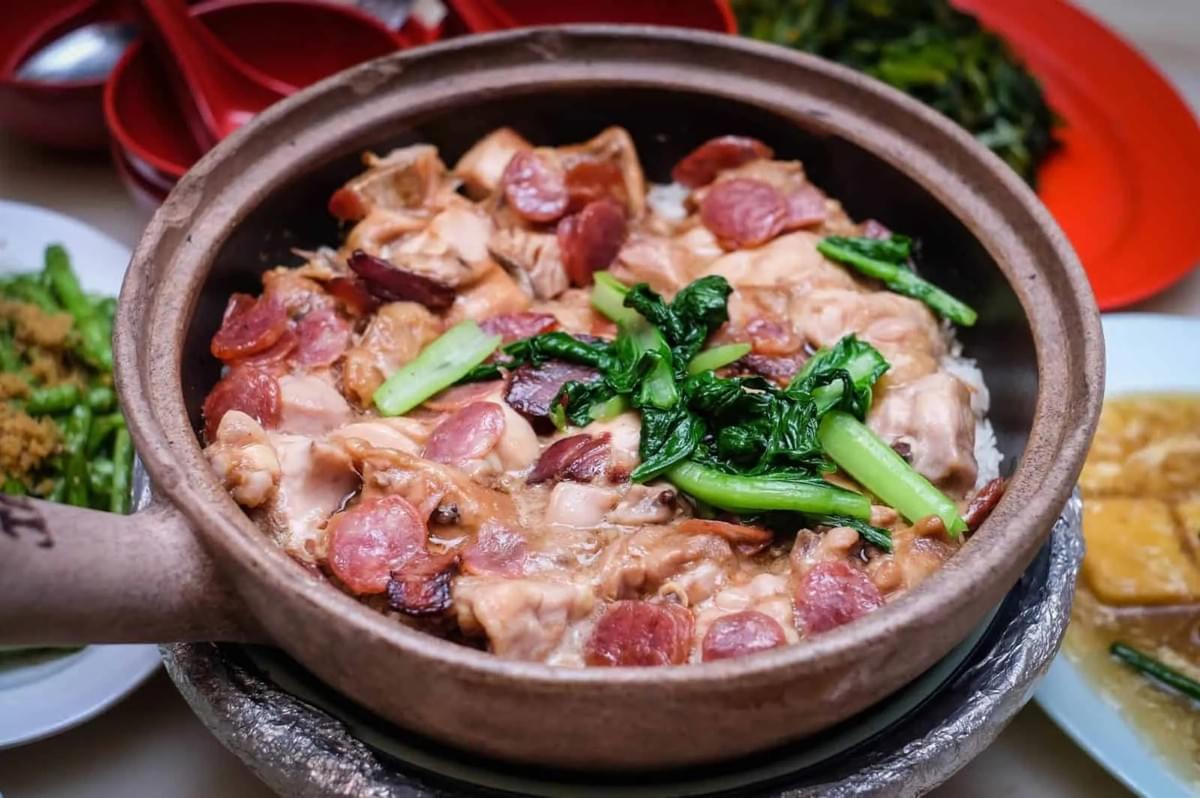
So Ben Ji got themselves a Michelin Bib Gourmand. Not bad for a hawker stall, right? But here’s the thing—those Michelin folks didn’t discover anything the uncles and aunties in the neighborhood hadn’t known for years. They just finally caught up to what locals have been telling each other over kopi for decades.
What makes this place special isn’t some fancy technique or surprise ingredient. It’s the kind of cooking that takes time you can’t rush and skills you can’t fake. The authentic way of cooking claypot rice over charcoal is what gives it its signature smoky flavour and sets it apart from modern methods. Watch the aunties work their charcoal stoves—it’s like a quiet dance they’ve been perfecting their whole lives. The heat has to be just right, the timing perfect, and your patience absolute.
The Michelin people, bless them, finally understood what all those daily queues were about:
- The Cooking Method: These folks still use charcoal stoves when everyone else switched to gas ages ago. Traditional claypot rice is cooked over charcoal, which imparts a unique smoky flavor to the dish. That smoky wok hei you taste? That’s something no modern kitchen can replicate, no matter how hard they try.
- The Quality of Ingredients: Every piece of chicken, every slice of lup cheong, every bit of salted fish—they’re all chosen like the aunties are feeding their own families. The cooking process involves layering ingredients such as chicken, Chinese sausages, and salted fish on top of the rice. Because in a way, they are.
- The Perfect Rice: The rice here isn’t just cooked, it’s transformed. The rice is cooked from scratch, resulting in a soft, fluffy texture that absorbs all the flavours from the toppings. Fluffy, aromatic, soaking up all those beautiful flavors from above. They use premium varieties—sushi rice, basmati rice, even brown rice—each bringing its own character to the pot.
- The Crispy Bottom: Ah, the guō bā. This is what you really wait for. That golden, crackling layer at the bottom of the pot is pure joy—crispy enough to crunch, but still carrying all those deep, concentrated flavors. The waiting time for traditional claypot rice can be significant, often around 30 minutes or more, but is worth it for the authentic experience.
Ingredients and Cooking Method
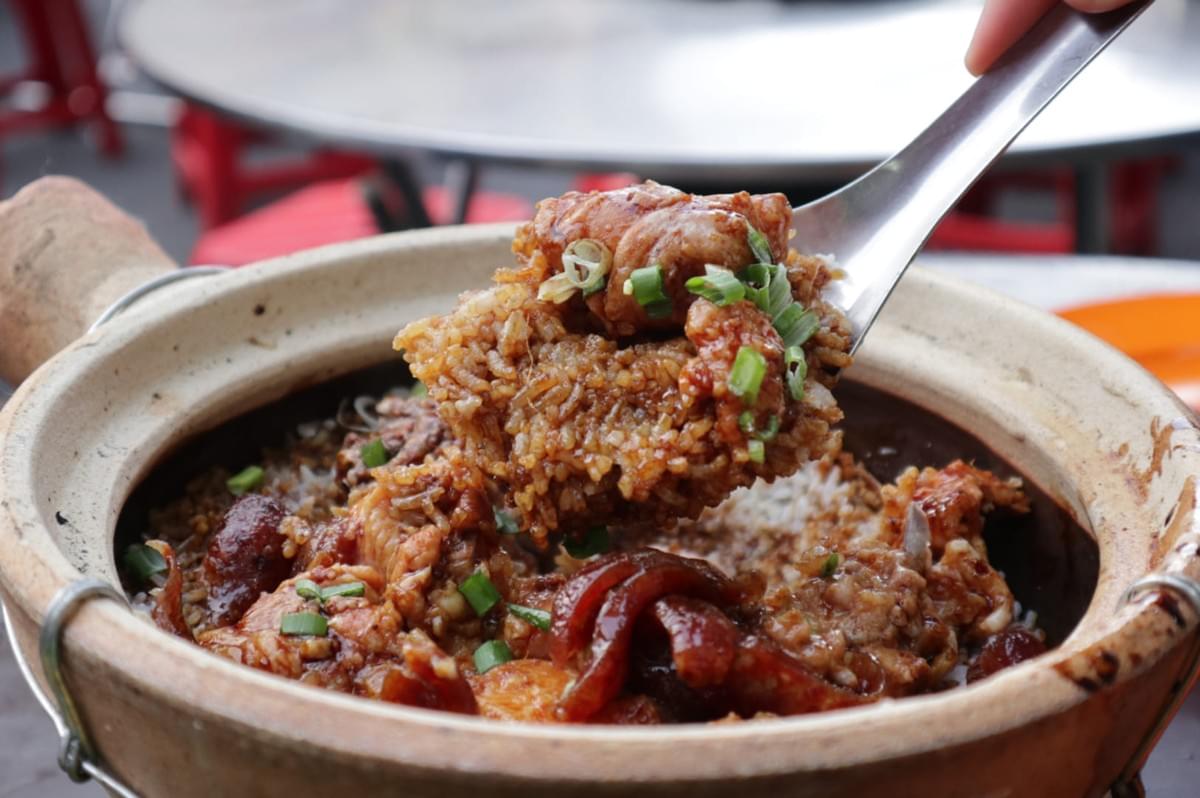
The beauty of claypot rice? It starts with what goes in. You've got your rice—jasmine works beautifully, so does basmati—the kind that puffs up just right while getting gloriously crispy at the bottom. Chicken is what most places do, marinated until it's tender enough to fall apart with your chopsticks. But here's where it gets interesting: some stalls load theirs up with salted egg pork ribs, others go for lup cheong (that sweet Chinese sausage), or maybe salted fish if you're feeling bold. Even the vegetable versions have their charm. Each ingredient does its own thing—the salted fish brings this deep, rich flavor, while salted egg? Pure indulgence.
New Lucky Claypot Rice and Lucky Claypot Rice: Other Gems in Singapore's Hawker Scene
Now, Ben Ji isn’t the only game in town, lah. Over at Holland Drive Market, there’s New Lucky Claypot Rice doing their own beautiful thing. New Lucky Claypot Rice has been operating since 1979, making it a long-standing favourite among claypot rice lovers. The uncle there makes this claypot chicken rice with salted egg pork ribs that’ll make you forget about whatever diet you thought you were on. Sure, you might wait anywhere from twenty minutes to an hour and a half, but honestly? The waiting time at New Lucky Claypot Rice can be between 20 to 90 minutes depending on the time of day. Once that pot arrives at your table, steaming and crackling, you’ll forget you were ever hungry.
The salted egg adds this creamy richness that plays so nicely with the smoky rice, and when you hit that crispy bottom layer—alamak, it’s like finding treasure. Portion size options are available at many claypot rice stalls, and at Sembawang Traditional Claypot Rice, prices range from $8.80 to $19.80 depending on portion size.
Yew Chuan Claypot Rice and Geylang Claypot Rice: Traditional Flavours Along Golden Mile and Beach Road
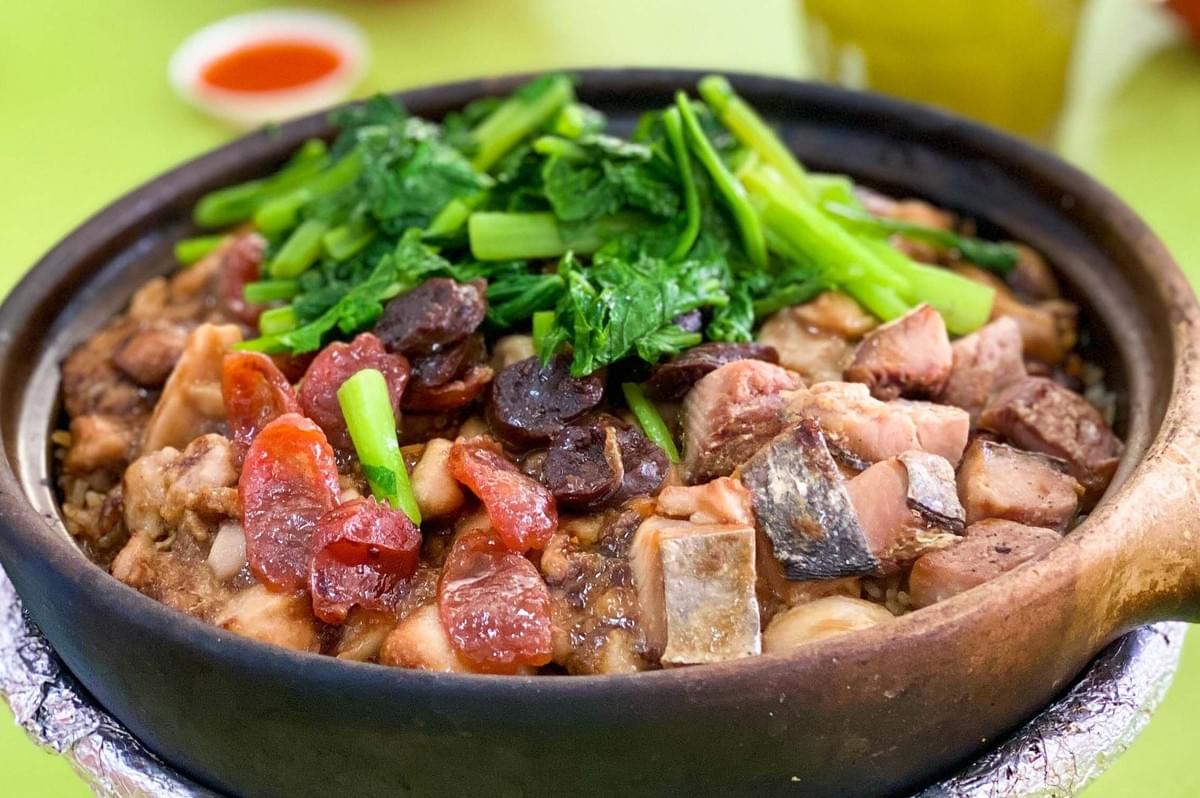
If you’re exploring further, Yew Chuan at Golden Mile Food Centre serves up claypot chicken rice with this perfect fried egg on top. They drizzle it with olive oil and neutral oil—simple touches that make everything taste just a bit more special. Yew Chuan has been in business for close to 40 years, a testament to its enduring popularity. The uncle there has this way of catching your eye when the rice is ready, giving you this little nod like he’s sharing a secret.
Then there’s Geylang Claypot Rice on Beach Road. Generous portions, they give you—chicken, salted fish, rice all cooked over that beautiful charcoal fire. It offers a house specialty claypot rice with generous portions of ingredients. The texture is just right, crispy where it should be, tender everywhere else. Claypot rice is often served with a mix of chicken, Chinese sausages, salted fish, and vegetables, and other ingredients can be added for extra flavour. It’s the kind of meal that makes you want to call your friends and tell them to drop whatever they’re doing.
Ben Ji Claypot Rice
There's something about Ben Ji Claypot Rice that makes you feel like you've stumbled onto one of Chinatown's best-kept secrets—except it's not really secret anymore, is it? This is the kind of stall where uncle still cooks every single order in a proper claypot over charcoal, the way it should be done. You'll smell that smoky aroma before you even see the place, and when your claypot arrives, there's always that moment of anticipation before you dig down to find the crispy rice at the bottom. They do the classics here—chicken rice, the version with salted fish, some with fresh vegetables—and everything tastes like someone who actually cares made it for you.
How to Make Crispy Rice Cakes: A Versatile Recipe for Rice Lovers
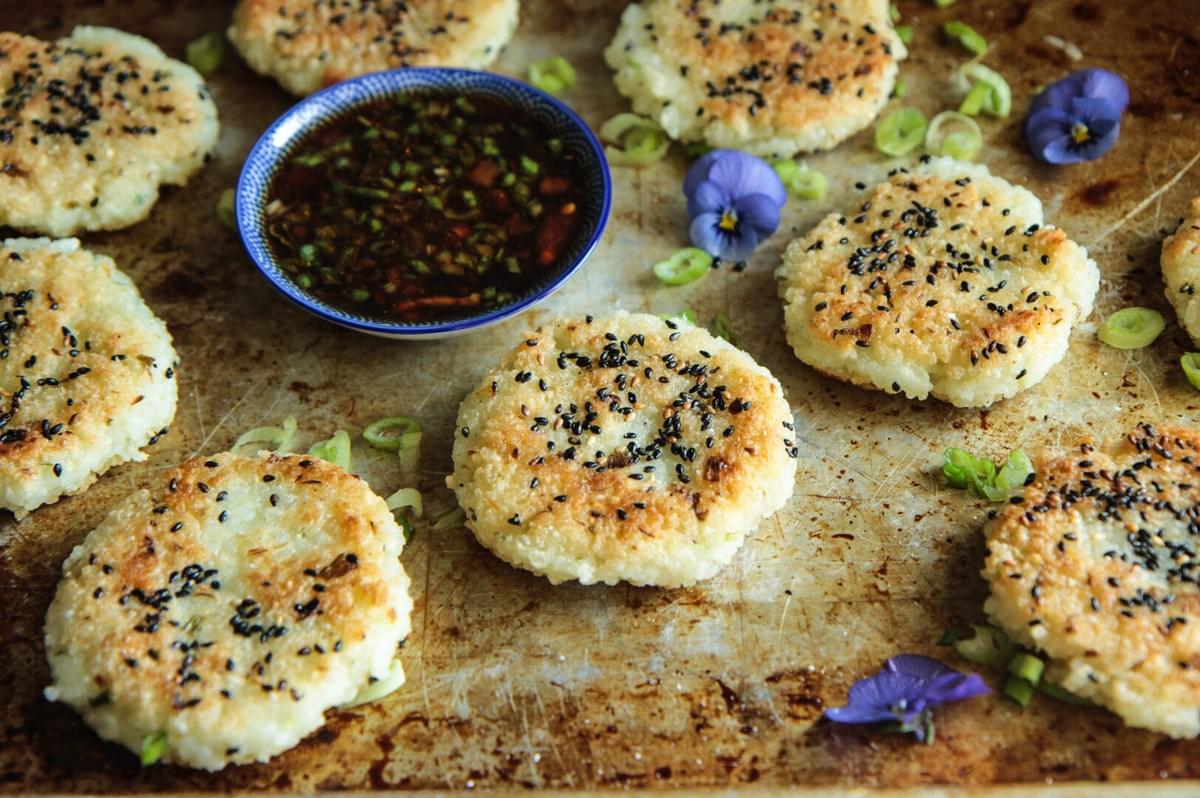
Sometimes you want that crispy rice experience at home, you know? Rice cakes are your friend here. Take some sushi rice or basmati rice—sushi rice is the best type of rice to make crispy rice cakes because it is stickier than other types of rice—press it firmly into your pan, let it cool, then cut and pan-fry over medium-high heat with a bit of olive oil until it turns golden. For neater cuts, wet your knife blade, and make sure the rice is cool but not too wet to achieve that ideal crisp texture. Add some garlic, a pinch of sugar, rice vinegar, salt—whatever makes you happy. You can also season your crispy rice with coconut aminos, sesame oil, and garlic powder before baking.
These little beauties stay crisp and make perfect snacks. If you prefer, you can bake crispy rice in the oven for 12 to 20 minutes depending on your desired level of crispiness. Top them with spicy tuna or whatever’s in your fridge, and pile the crispy rice cakes high for an eye-catching appetizer presentation. Crispy rice can be made using leftover rice, making it a resourceful ingredient. It’s not quite the same as hawker centre guō bā, but it’s still pretty shiok. Crispy rice is popular in various cuisines, including Korean and Laotian dishes, and adds a unique texture and flavor to salads and other dishes. Serve crispy rice as a snack or use it as a base for various toppings and dishes.
Tips to Enjoy and Serve Claypot Rice and Crispy Rice
Here’s what I’ve learned from years of claypot rice adventures: always eat it warm. Many people love watching others enjoy their first bite of crispy rice or claypot rice, as it shows just how appealing and satisfying the dish is. The moment that pot arrives, give it a good mix—rice, chicken, toppings, everything together. For extra flavor, use a spoon to add dark soy sauce as you mix. Some people like to add a sprinkle of sugar or garlic, and honestly, why not? It’s your meal.
If you have leftovers (though I can’t imagine how), store them in the fridge but reheat carefully. Pan or oven works best—microwaving just makes everything soggy and sad. Nobody wants sad rice.
Experience the Best of Singapore's Claypot Rice and Crispy Rice
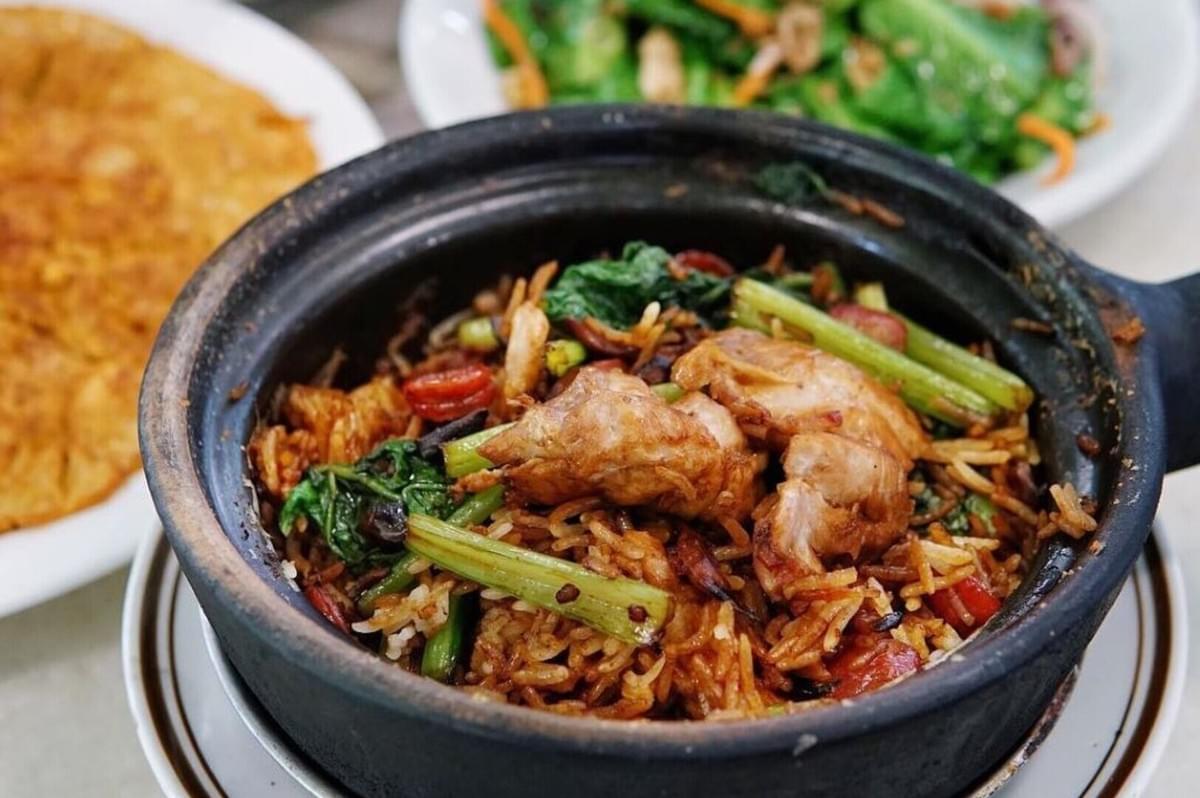
Look, Singapore's claypot rice scene is something special. From Ben Ji's legendary guō bā to New Lucky's salted egg perfection, from Yew Chuan's careful craft to Geylang's generous spirit—each stall has its own personality, its own way of making you feel at home.
So go explore these hawker centres. Embrace the heat, the crowds, the beautiful chaos of it all. Find your favorite stall, make friends with the queue, and discover for yourself what all the fuss is about. Trust me—once you taste properly made claypot rice, everything else is just rice in a pot.
